Those We Lost
Those We Lost — May 3
May
Honoring those we lost on May 3 — remembered for what they gave, and for what they left behind.
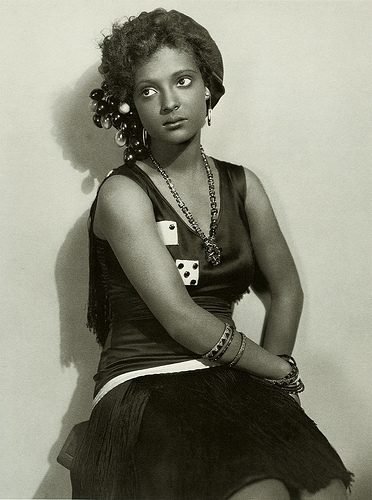
Nina Mae McKinney
Born June 12, 1912 — Died May 3, 1967
Field: Film / Theater / Early Black Hollywood
Nina Mae McKinney was one of early Hollywood’s most visible Black actresses and performers. She appeared in films and stage productions at a time when Black women had limited access to serious screen opportunities.
Why it matters: Her story shows both the brilliance of Black performers and the limits of an industry that admired Black talent while restricting Black opportunity.
Ida Gray
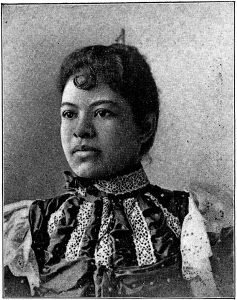
Born March 4, 1867 — Died May 3, 1953
Field: Dentistry / Black Women in Medicine / Professional Firsts
Ida Gray became the first African American woman dentist in the United States.
Why it matters: Her life belongs in the story of Black women entering professional medicine and health care after Reconstruction, when access to education and licensing was still heavily restricted.
Minta Bosley Allen Trotman
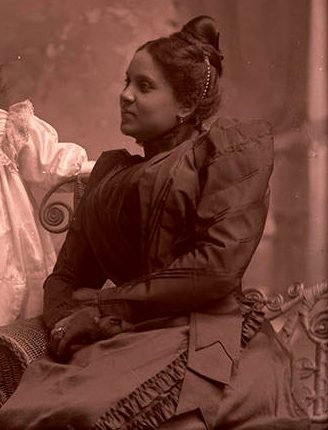
Born 1875 — Died May 3, 1949
Field: Suffrage / Civic Leadership / Black Women’s Organizing
Minta Bosley Allen Trotman was a suffragist, civic leader, and community organizer connected to Black women’s political work in New York.
Why it matters: She gives May 3 a Black women’s civic organizing lane, showing how Black women worked locally and politically to expand rights, services, and community power.
Lloyd Price
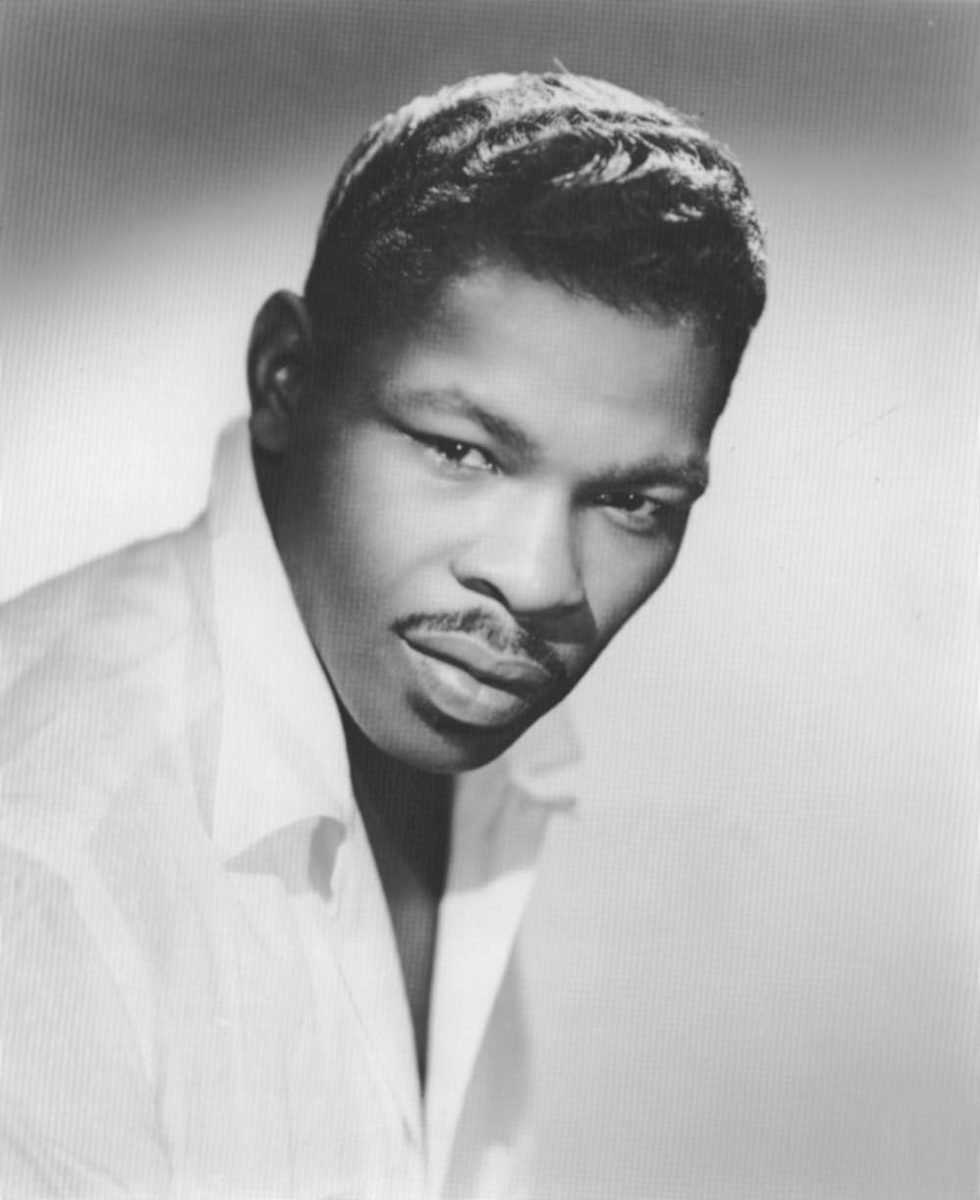
Born March 9, 1933 — Died May 3, 2021
Field: R&B / Rock and Roll / Black Popular Music
Lloyd Price was a singer, songwriter, entrepreneur, and early rock-and-roll figure known for hits including “Lawdy Miss Clawdy,” “Stagger Lee,” and “Personality.” He was inducted into the Rock and Roll Hall of Fame in 1998.
Why it matters: Price belongs in the May archive because he helped bridge New Orleans R&B, early rock and roll, and mainstream Black popular music. His voice and business instincts made him more than a hitmaker — he was part of the foundation that shaped postwar rhythm and blues into rock-era popular sound.
