
Those We Lost
Those We Lost — May 15
May
Honoring those we lost on May 15 — remembered for what they gave, and for what they left behind.
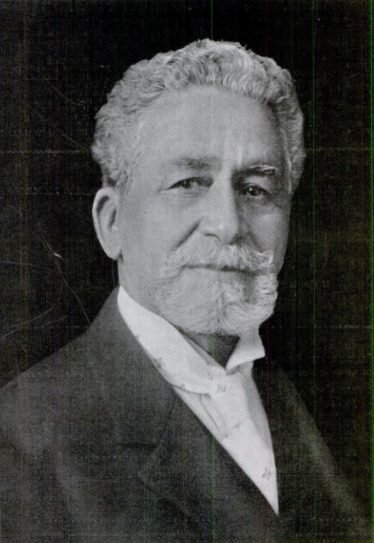
Richard Theodore Greener
Born January 30, 1844 — Died May 15, 1922
Field: Education / Law / Diplomacy / Reconstruction Leadership
Richard Theodore Greener was the first African American graduate of Harvard College. He later became a lawyer, educator, diplomat, professor, and dean of Howard University School of Law.
Why it matters: Greener represents Black intellectual achievement moving through elite education, law, Reconstruction politics, and public service.
James VanDerZee
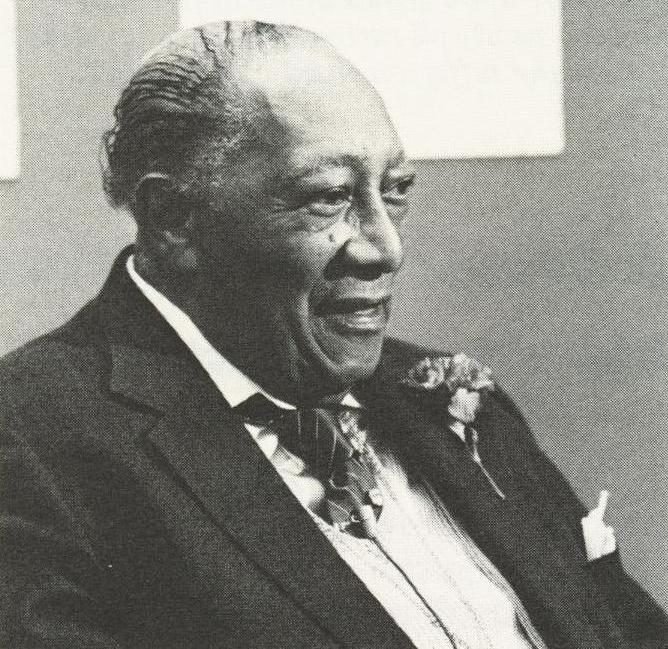
Born June 29, 1886 — Died May 15, 1983
Field: Photography / Harlem Renaissance / Visual Archive
James VanDerZee was one of the most important photographers of the Harlem Renaissance. His portraits documented Black life, style, aspiration, family, ceremony, and dignity in Harlem.
Why it matters: VanDerZee helped create a visual record of Black modernity. His camera preserved how Black people wanted to be seen, not how white America stereotyped them.
Milton M. Holland
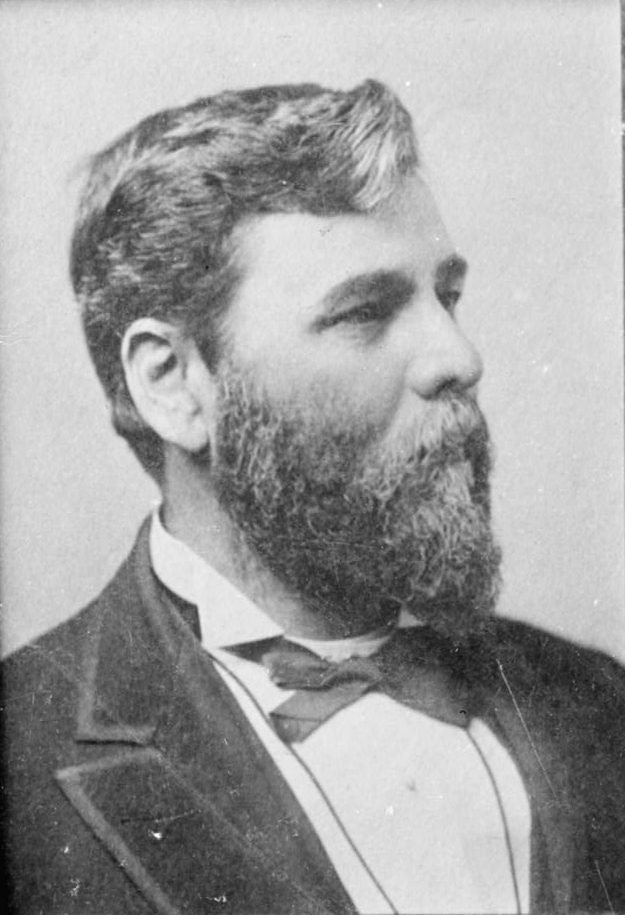
Born August 1, 1844 — Died May 15, 1910
Field: Civil War / Medal of Honor / Black Military History
Milton Murray Holland was a Union Army soldier and Medal of Honor recipient.
Why it matters: Holland adds a Civil War military-service lane to May 15. His story belongs in the history of Black soldiers whose bravery helped reshape the meaning of citizenship during the Civil War.
Yolanda King
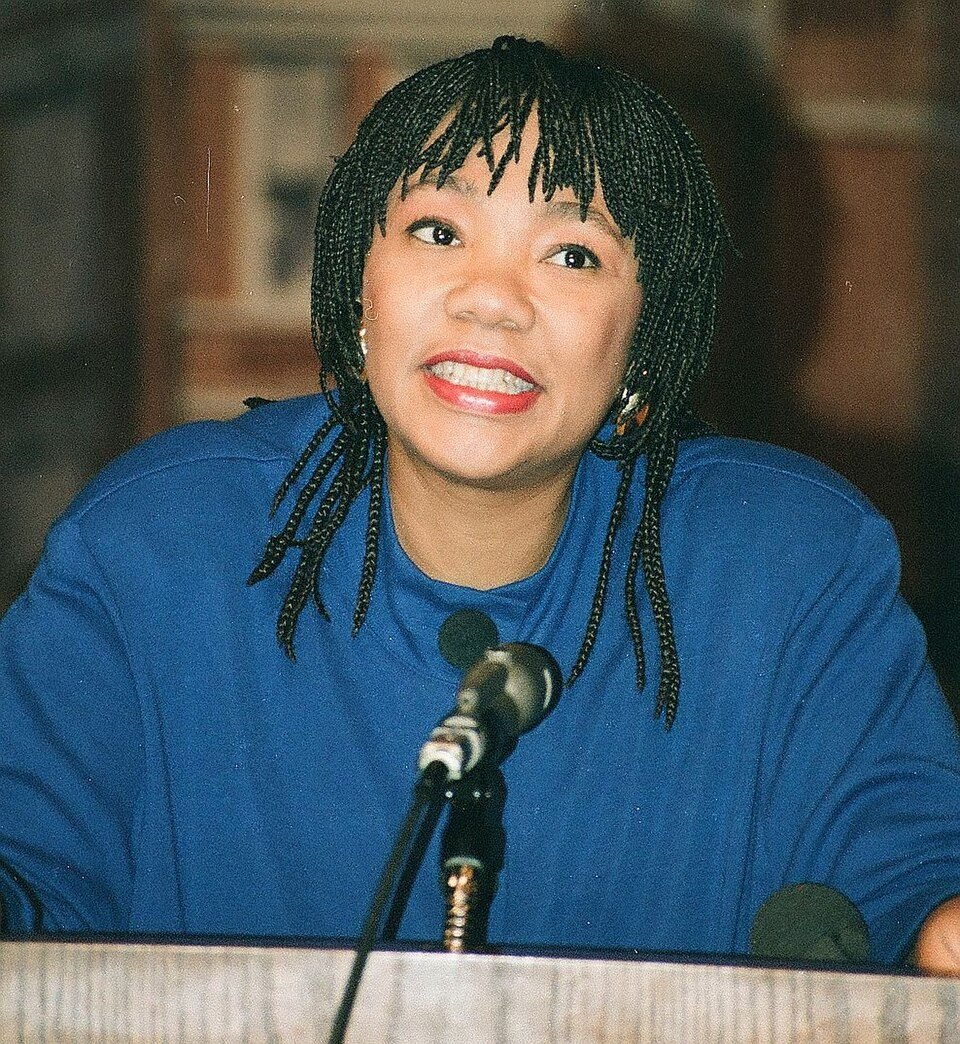
Born November 17, 1955 — Died May 15, 2007
Field: Civil Rights Legacy / Acting / Public Speaking / King Family History
Yolanda Denise King was an actress, speaker, activist, and the eldest child of Dr. Martin Luther King Jr. and Coretta Scott King. She used drama, public speaking, and educational programming to continue conversations around justice, nonviolence, and human rights.
Why it matters: Yolanda King belongs in the archive because she represents the second generation of movement memory — the children who carried the emotional and public weight of civil rights legacy while also trying to build their own voices.
