
Black History Knowledge
Black History Knowledge — July 9
Jul
What happened on this day. These are the July 9 moments in Black history worth knowing, remembering, and passing on.
1868 — Fourteenth Amendment ratified
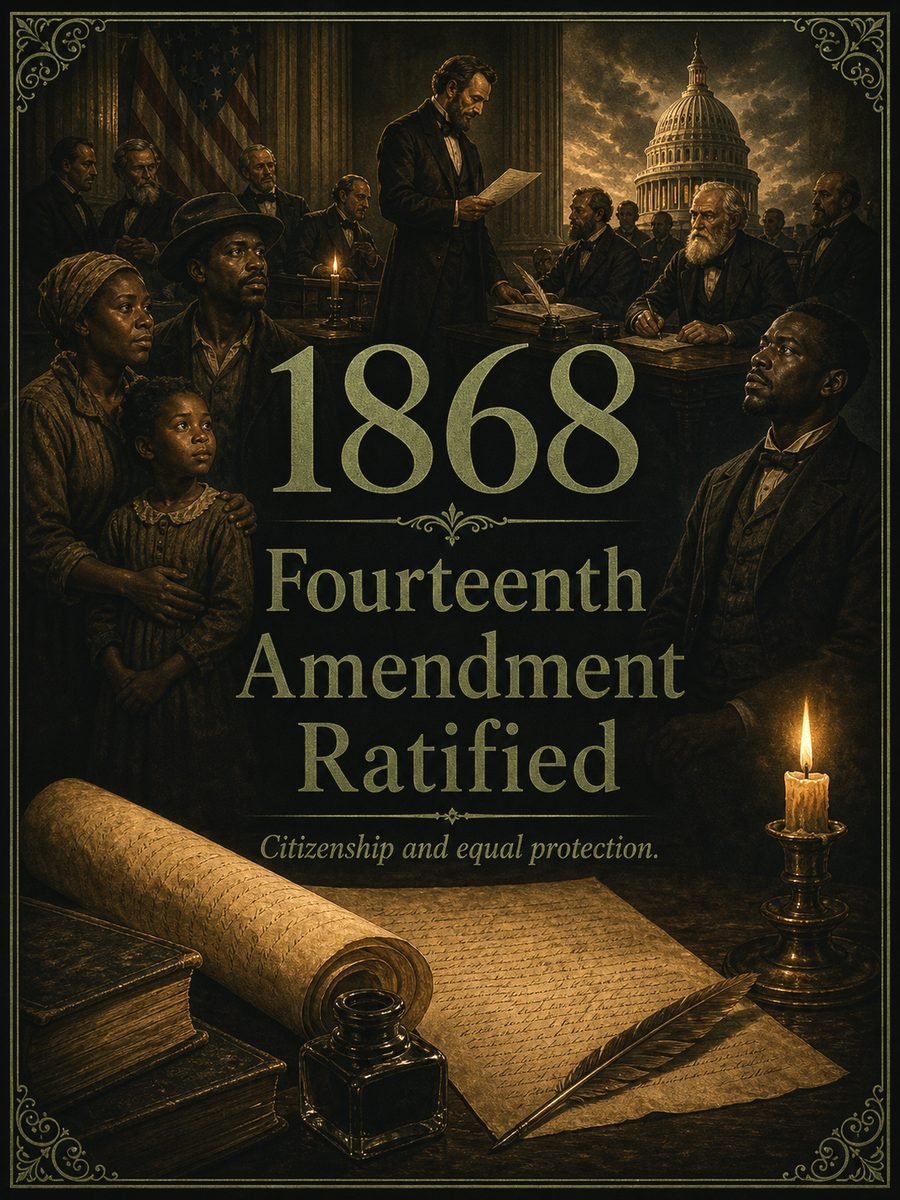
On July 9, 1868, the Fourteenth Amendment was ratified. The amendment granted citizenship to people born or naturalized in the United States, including formerly enslaved people, and promised equal protection under the law. It became one of the most important constitutional foundations for Black civil rights.
1927 — William T. Francis appointed U.S. Minister and Consul to Liberia
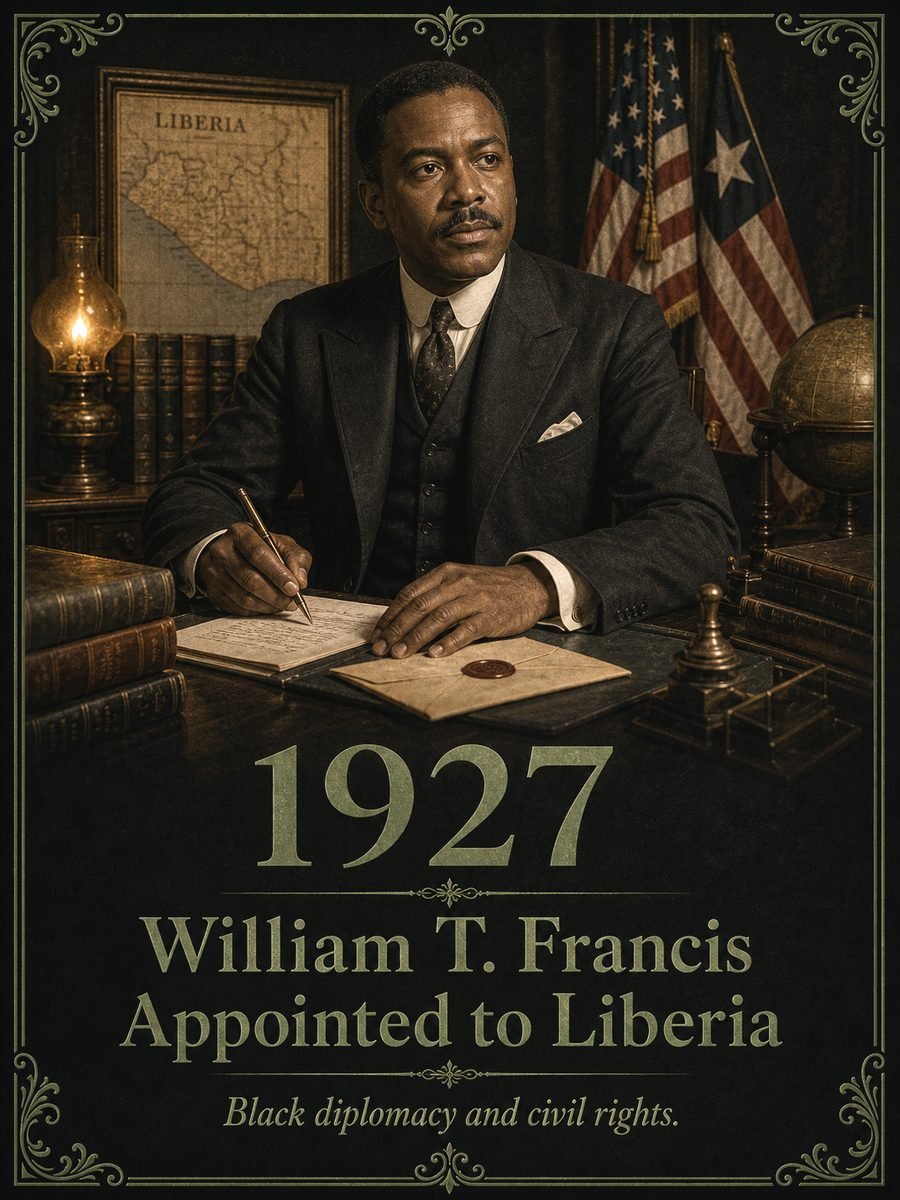
On July 9, 1927, William T. Francis was appointed U.S. Minister Resident and Consul General to Liberia. Francis, a Black lawyer and civil rights advocate from Minnesota, became an important diplomatic figure and later investigated forced labor abuses connected to the Liberian government.
1964 — Selma judge suppresses civil rights organizing
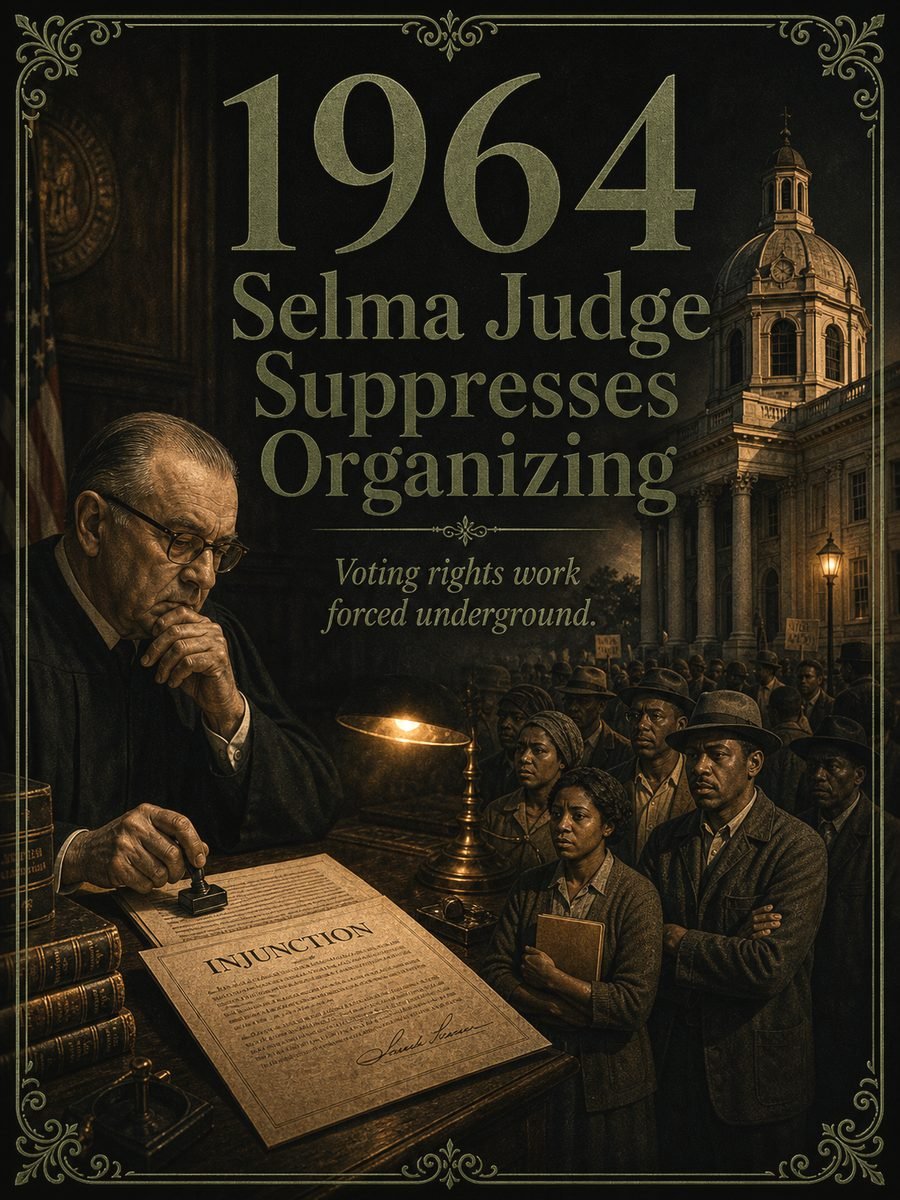
On July 9, 1964, Alabama Circuit Judge James Albert Hare issued a sweeping injunction against civil rights activity in Selma. The order named organizations including SNCC, SCLC, and the Dallas County Voters League and prohibited associated activists from gathering in groups of three or more in public places. It effectively halted mass meetings and public voter-registration organizing for the remainder of 1964, helping set the stage for the pivotal Selma voting-rights campaign of 1965.
