
Black History Knowledge
Black History Knowledge — September 9
Sep
What happened on this day. These are the September 9 moments in Black history worth knowing, remembering, and passing on.
1739 — The Stono Rebellion rises in South Carolina
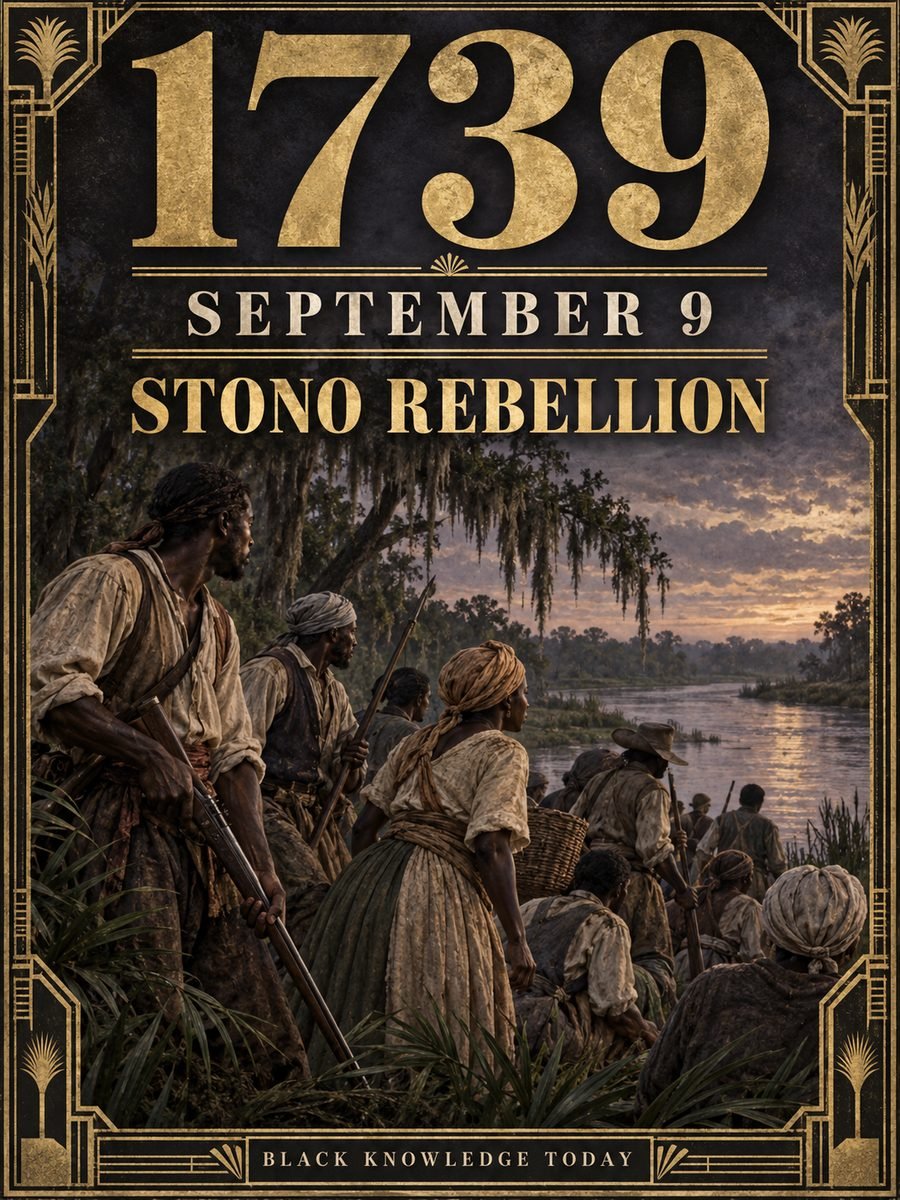
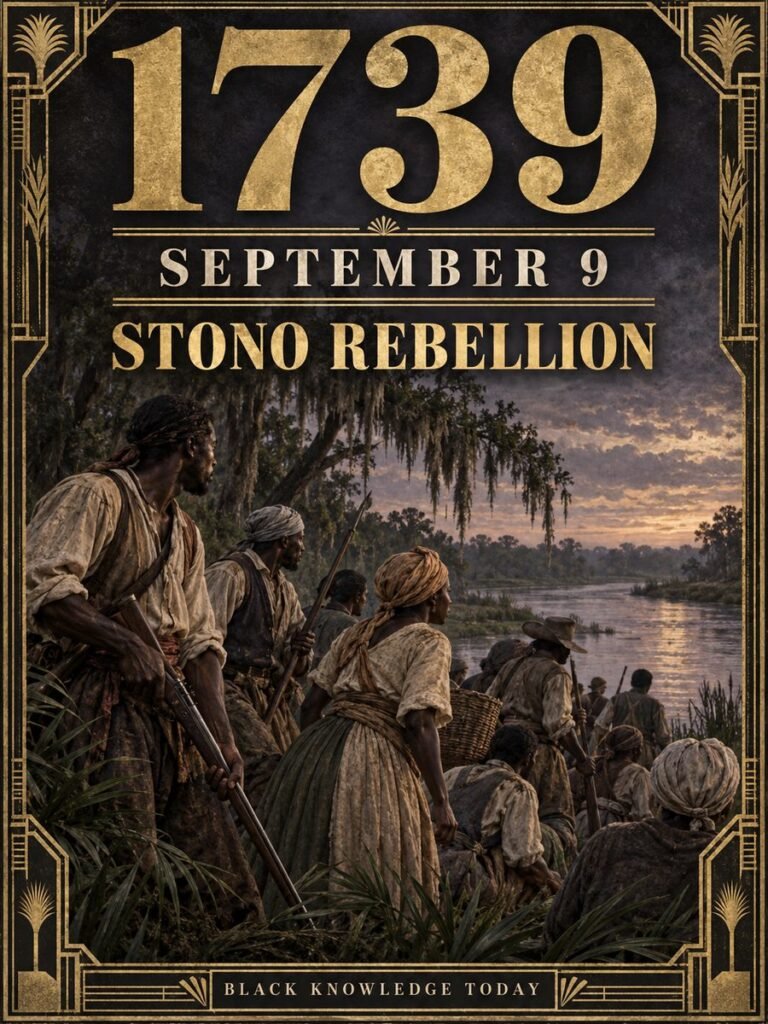
On September 9, 1739, enslaved people led by a man named Jemmy rose up near the Stono River in South Carolina, seizing weapons and marching toward Spanish Florida and freedom. The largest slave uprising in the mainland British colonies was crushed, and South Carolina answered with the brutal Negro Act of 1740, tightening slavery’s grip.
1915 — Carter G. Woodson founds the study of Black history
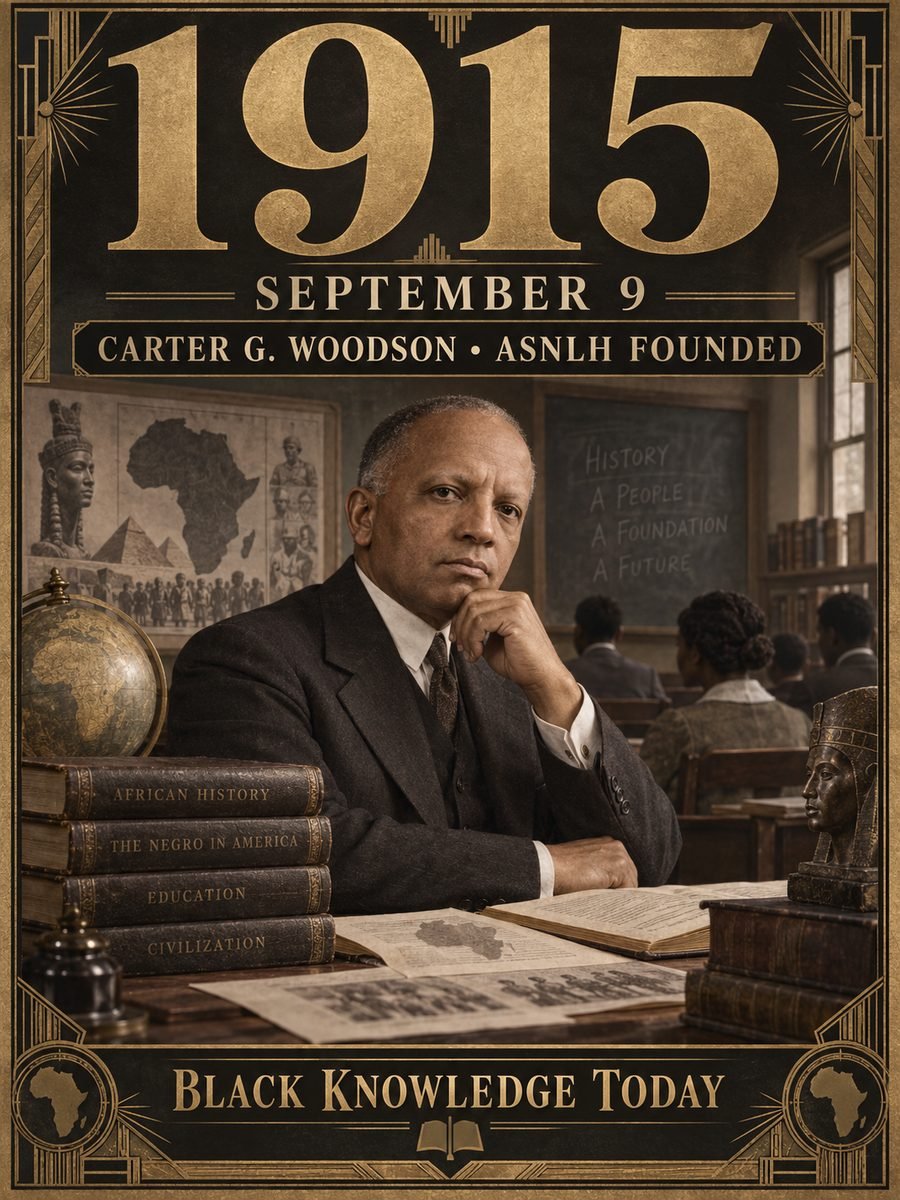
On September 9, 1915, Dr. Carter G. Woodson and colleagues founded the Association for the Study of Negro Life and History in Chicago. The organization built the scholarly foundation for Black history as a discipline and launched Negro History Week in 1926, which grew into Black History Month.
1925 — The Sweet family defends their Detroit home
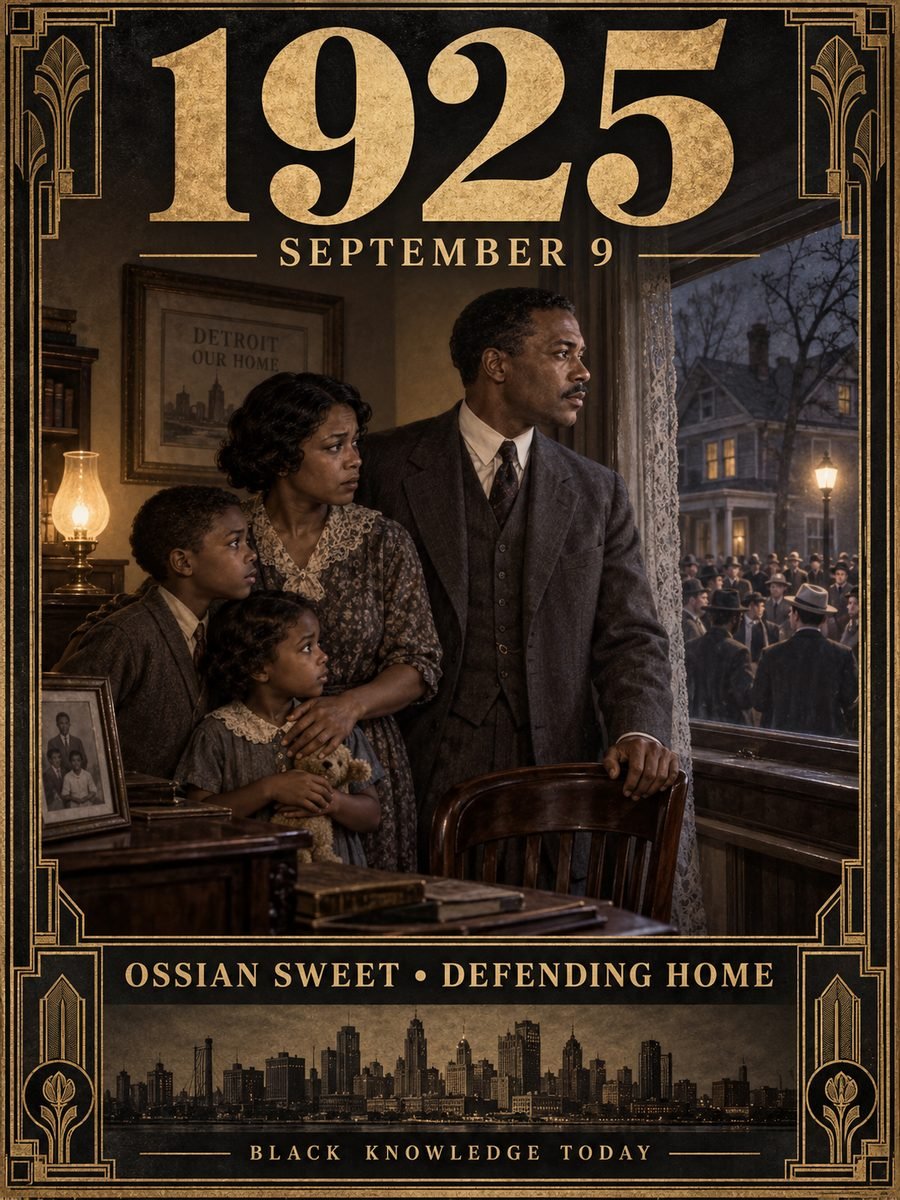
On September 9, 1925, a white mob attacked the new Detroit home of Black physician Ossian Sweet, and shots fired from inside the house killed a man in the crowd. Defended by Clarence Darrow and the NAACP, the Sweet case ended without convictions and established that Black families had the right to defend their homes.
1957 — Eisenhower signs the first civil rights act since Reconstruction
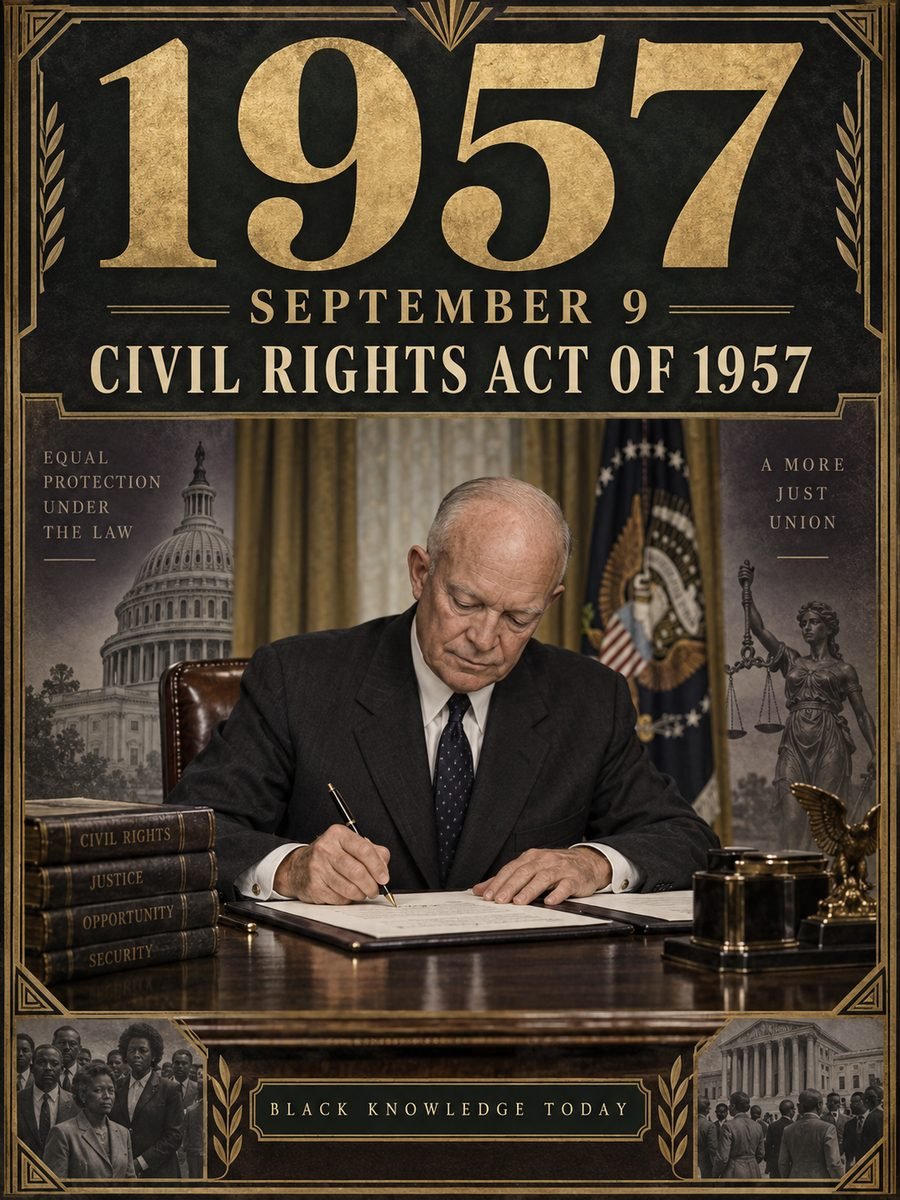
On September 9, 1957, President Dwight Eisenhower signed the Civil Rights Act of 1957, the first federal civil rights law in eighty-two years. Though weakened by Southern amendments, it created the Civil Rights Division of the Justice Department and the Commission on Civil Rights, tools that later enforcement would build upon.
1968 — Arthur Ashe wins the first U.S. Open

On September 9, 1968, Arthur Ashe defeated Tom Okker to win the first U.S. Open of tennis’s new professional era. Still an amateur Army lieutenant, Ashe could not accept the prize money, but he became the first Black man to win a Grand Slam singles title.
1971 — The Attica uprising begins
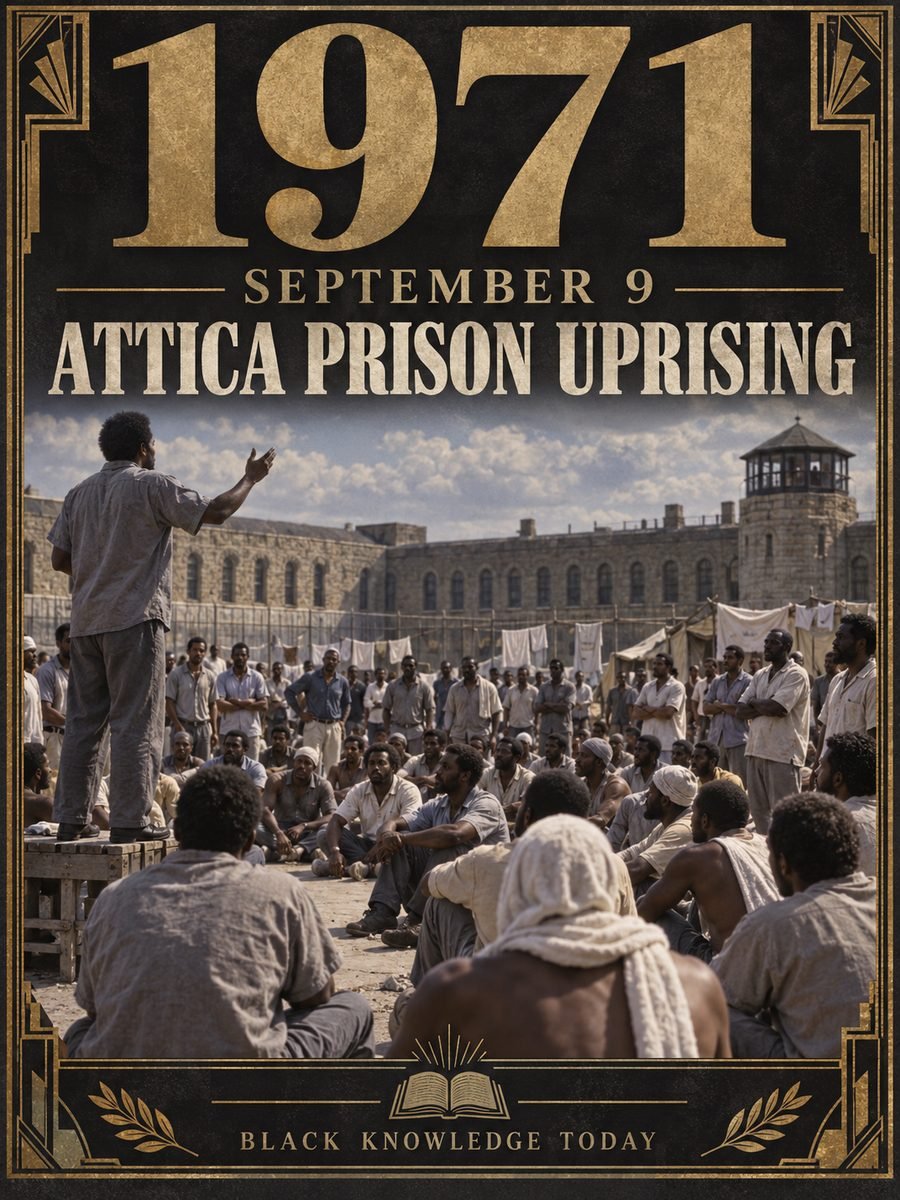
On September 9, 1971, more than 1,200 men seized control of Attica prison in New York, demanding humane conditions, education, and an end to racist treatment. Their declaration that "we are men, not beasts" made Attica the defining prison rights protest in American history.
