
Black History Knowledge
Black History Knowledge — November 1
Nov
What happened on this day. These are the November 1 moments in Black history worth knowing, remembering, and passing on.
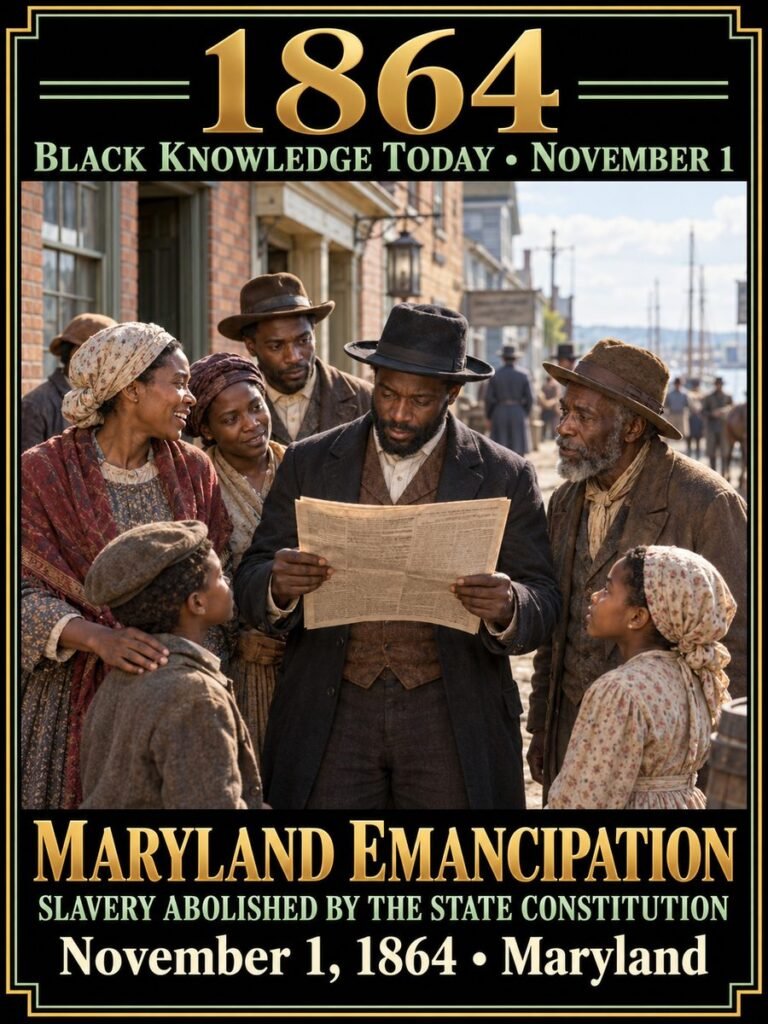
1864 — Maryland’s new constitution ends slavery in the state
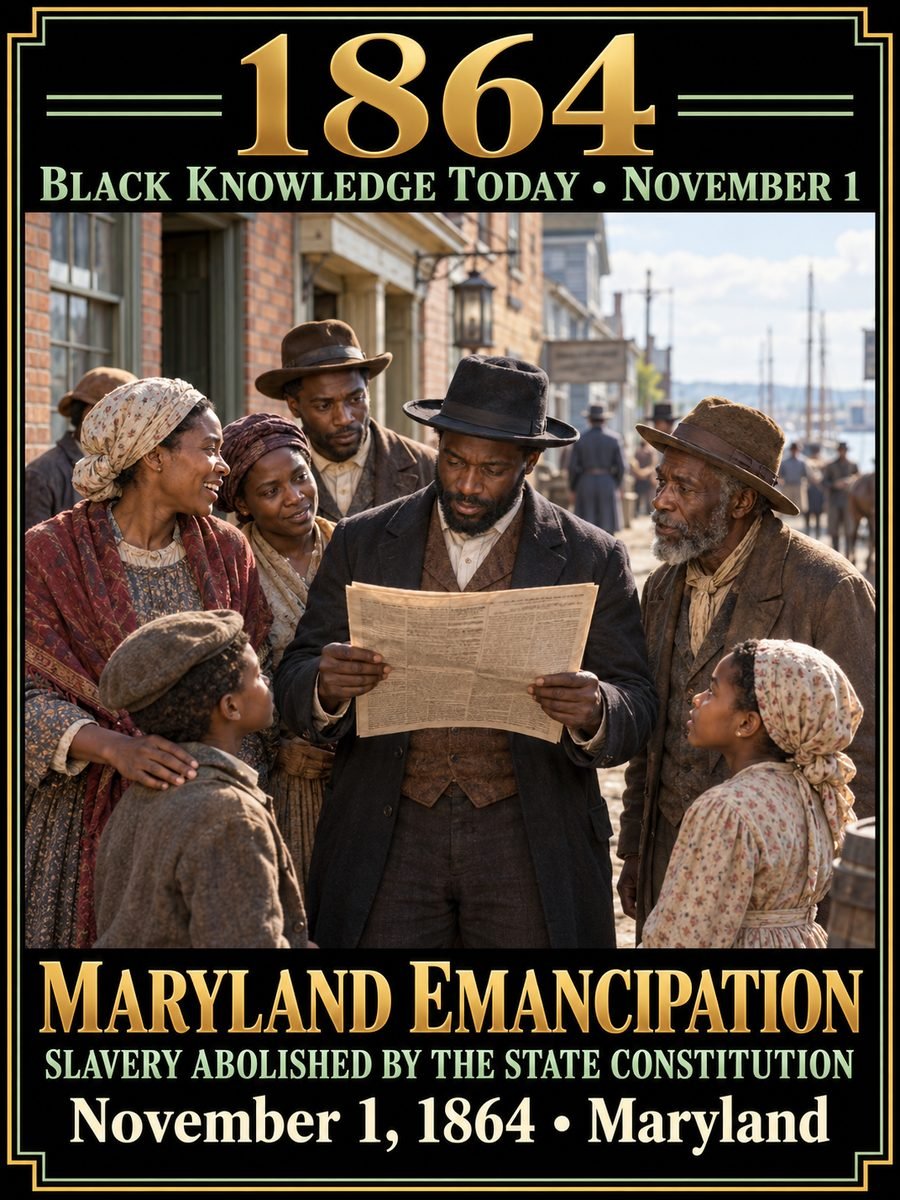
Maryland’s 1864 constitution, approved by voters in October, took effect on November 1, 1864, and abolished slavery in the state. Because Maryland had stayed in the Union, the Emancipation Proclamation had not freed the people enslaved there. Maryland now marks November 1 as Emancipation Day.
1890 — Mississippi adopts the 1890 constitution, written to strip Black voting rights
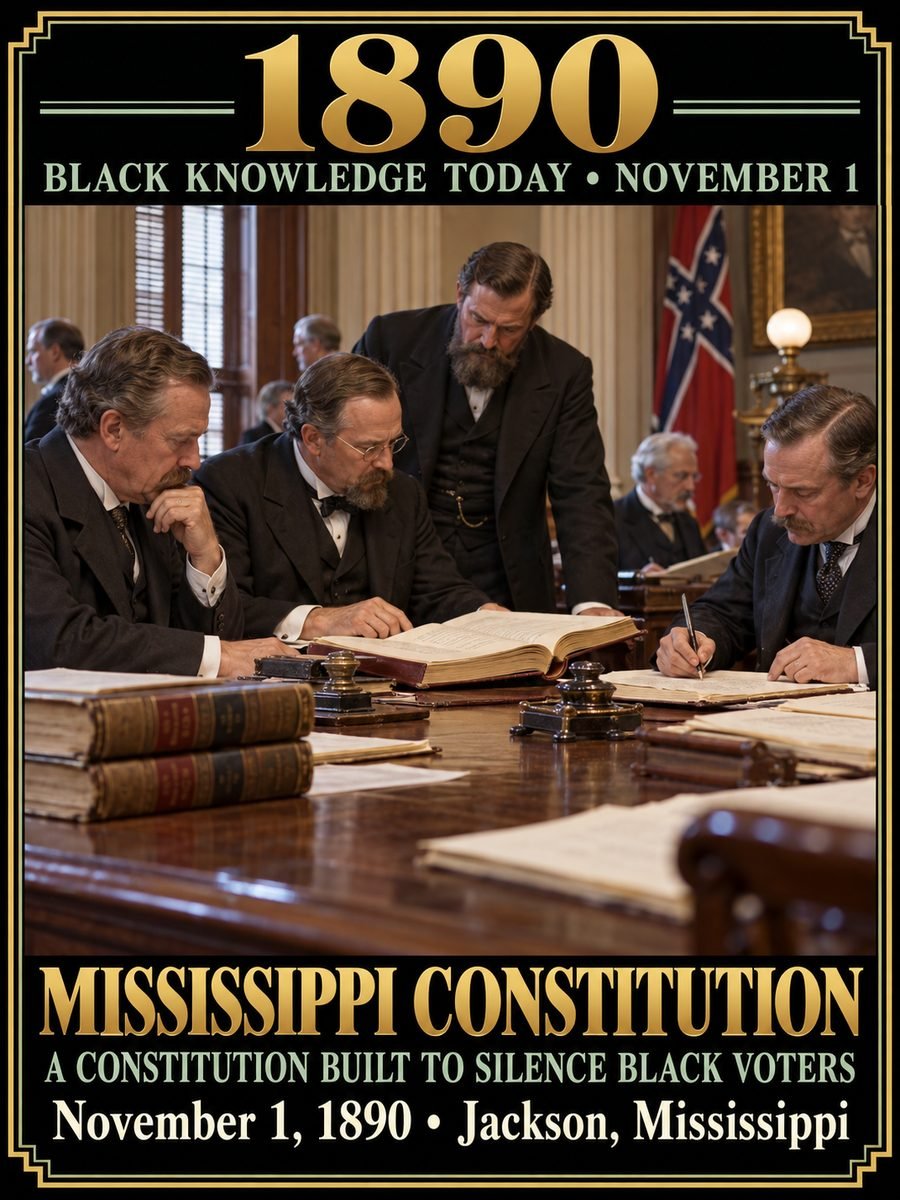
On November 1, 1890, a Mississippi constitutional convention adopted a new state constitution. Its poll tax, literacy test and ‘understanding clause’ were designed to remove Black men from the voting rolls, and other Southern states copied the ‘Mississippi Plan’ over the next two decades. The convention put the document into effect without a popular vote.
1950 — Chuck Cooper plays his first NBA game for the Boston Celtics
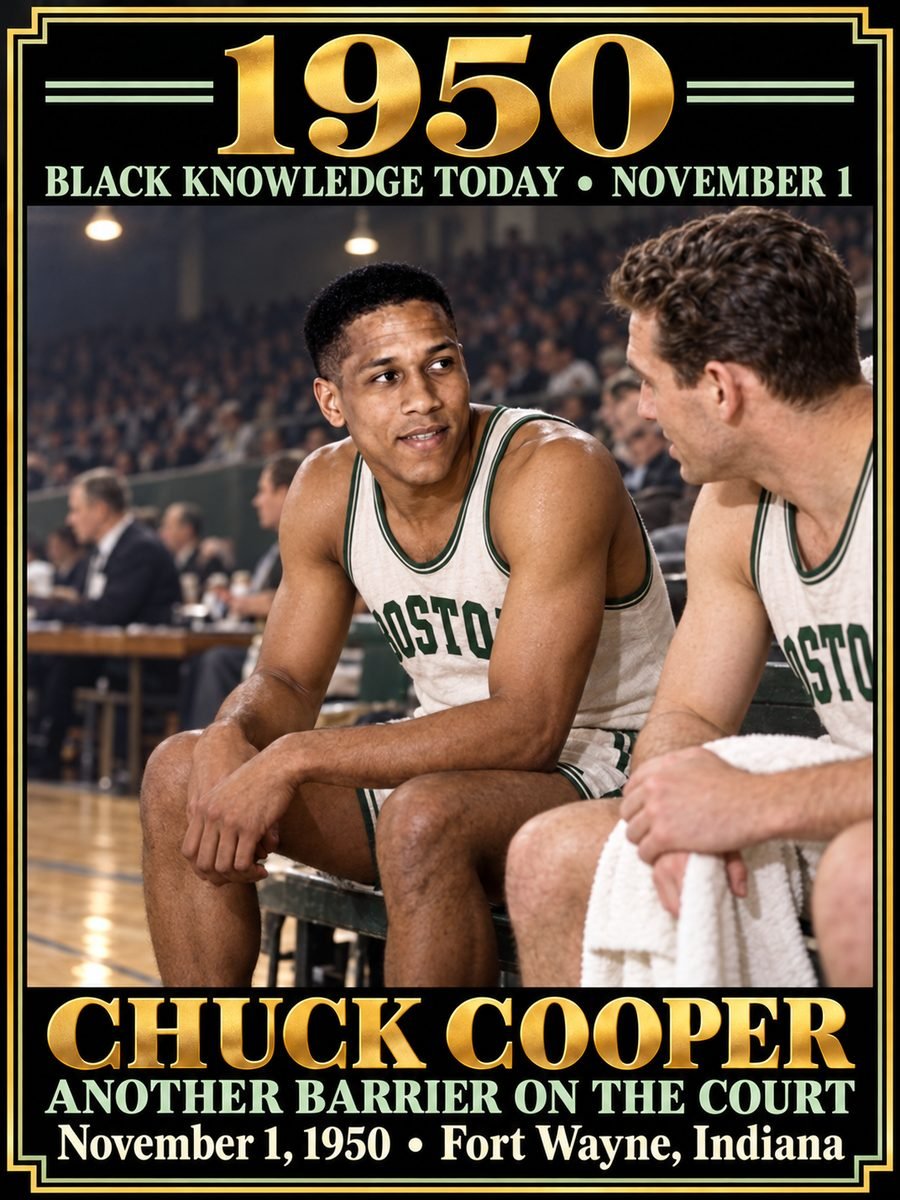
Chuck Cooper, the first Black player drafted by an NBA team, made his debut for the Boston Celtics on November 1, 1950, against the Fort Wayne Pistons. Earl Lloyd had played the night before and Nat ‘Sweetwater’ Clifton followed on November 4, so three Black players broke the league’s color line within a week. Celtics owner Walter Brown answered objections to the pick by saying he did not care if Cooper was ‘striped, plaid or polka dot.’
1951 — John H. Johnson launches Jet magazine
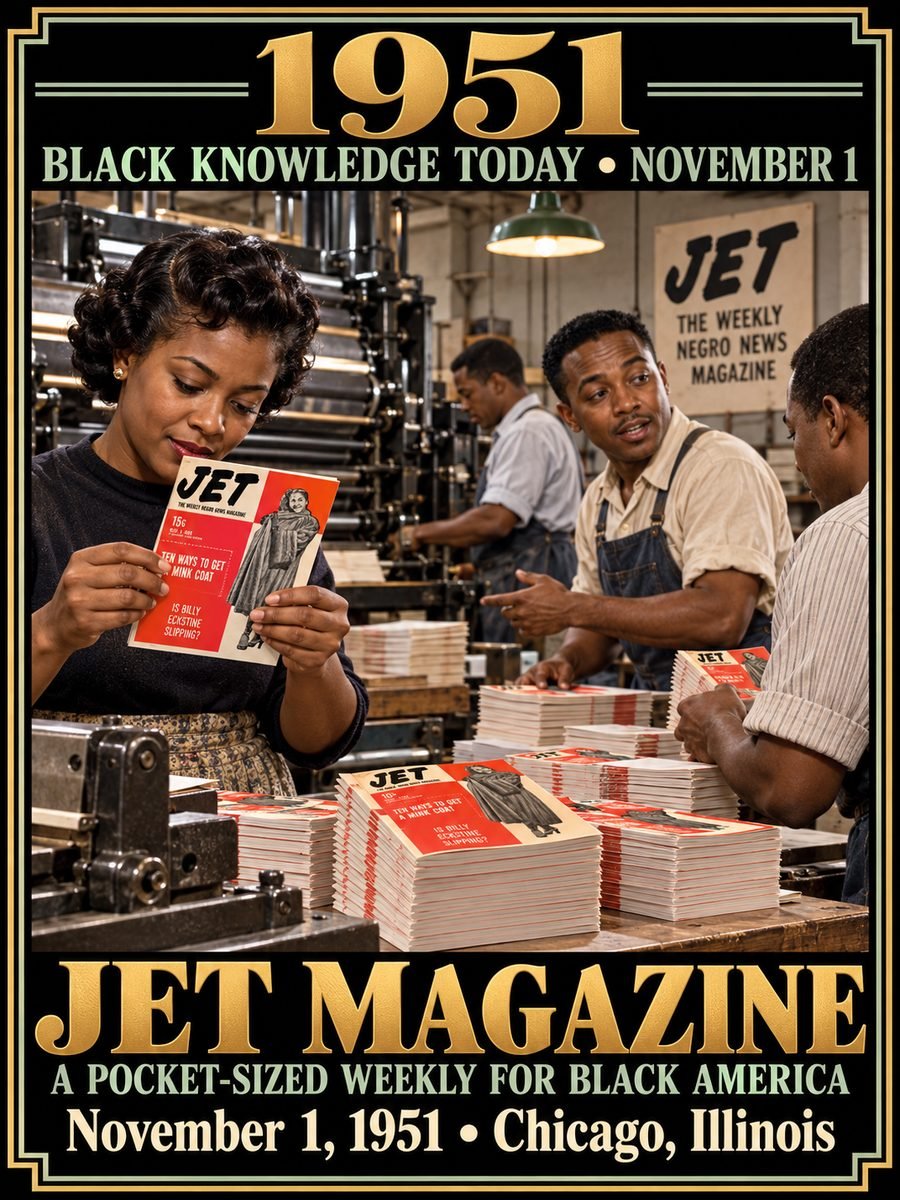
The first issue of Jet, a pocket-sized weekly news magazine from Chicago’s Johnson Publishing Company, is dated November 1, 1951. Jet went on to chronicle the civil rights movement, and its 1955 photographs of Emmett Till in his open casket drew national attention to his murder. Johnson had launched Ebony with a November 1945 issue six years earlier.
1961 — Albany students test the ICC’s new desegregation rules the day they take effect
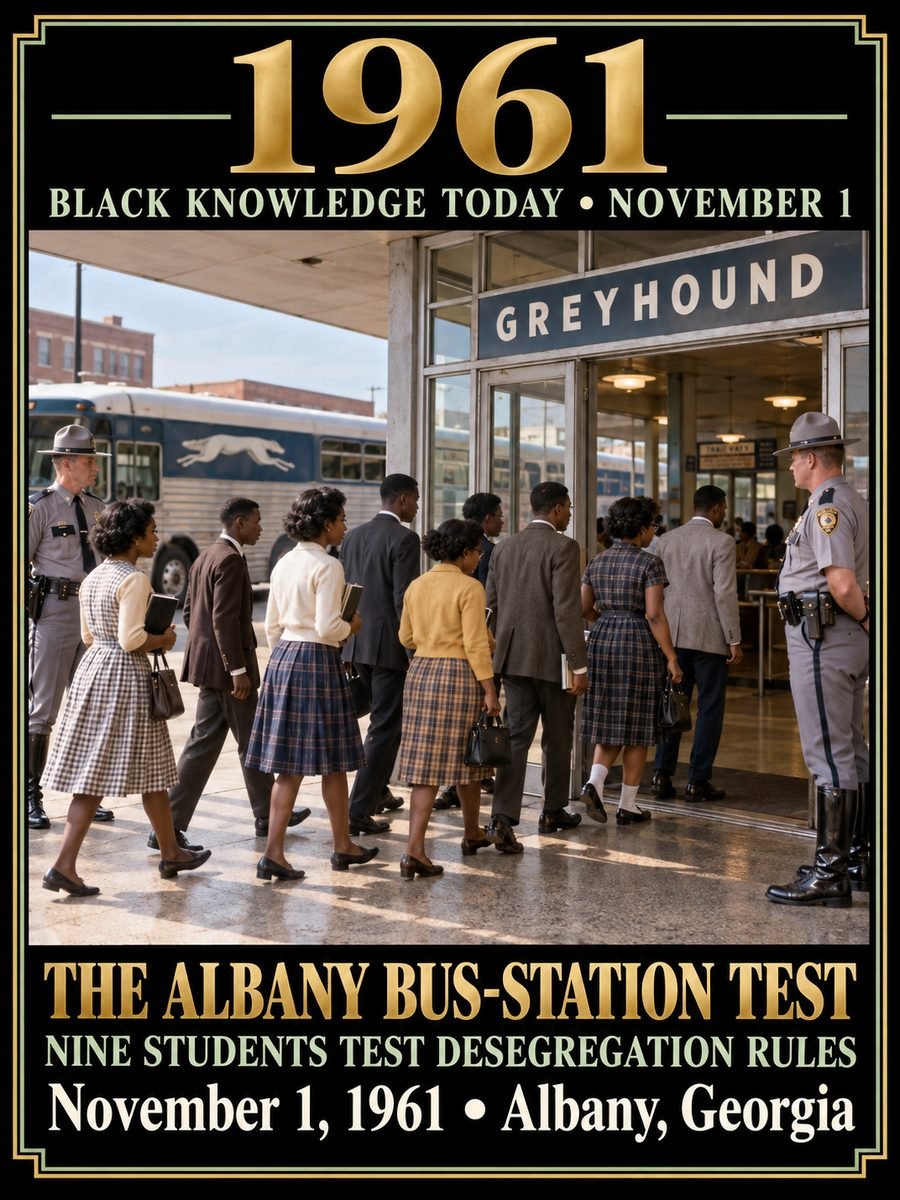
New Interstate Commerce Commission rules banning segregation in interstate bus terminals took effect on November 1, 1961. That day, students working with SNCC field secretaries Charles Sherrod and Cordell Reagon tested the order at the Trailways station in Albany, Georgia. Their test helped launch the Albany Movement that month.
1991 — Clarence Thomas takes his seat on the Supreme Court at a ceremony in the Court’s chamber
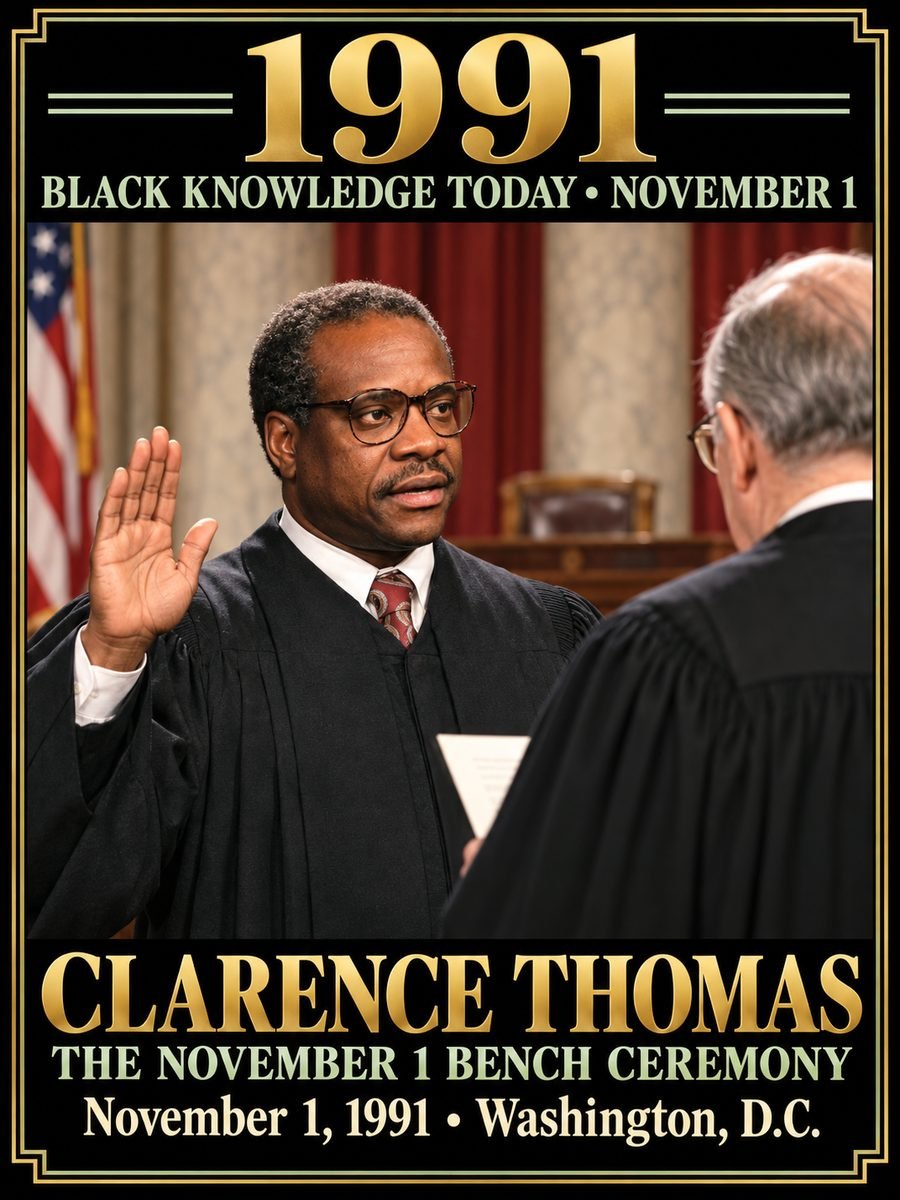
On November 1, 1991, Chief Justice William Rehnquist readministered the judicial oath to Clarence Thomas in a ceremony in the Supreme Court Chamber, and Thomas took his seat on the bench as the Court’s 106th justice. He had taken the oath privately on October 23 so he could begin work. Born in Pin Point, Georgia, Thomas succeeded Thurgood Marshall and became the second African American to serve on the Court.
2015 — Michael Curry is installed as the first Black presiding bishop of the Episcopal Church
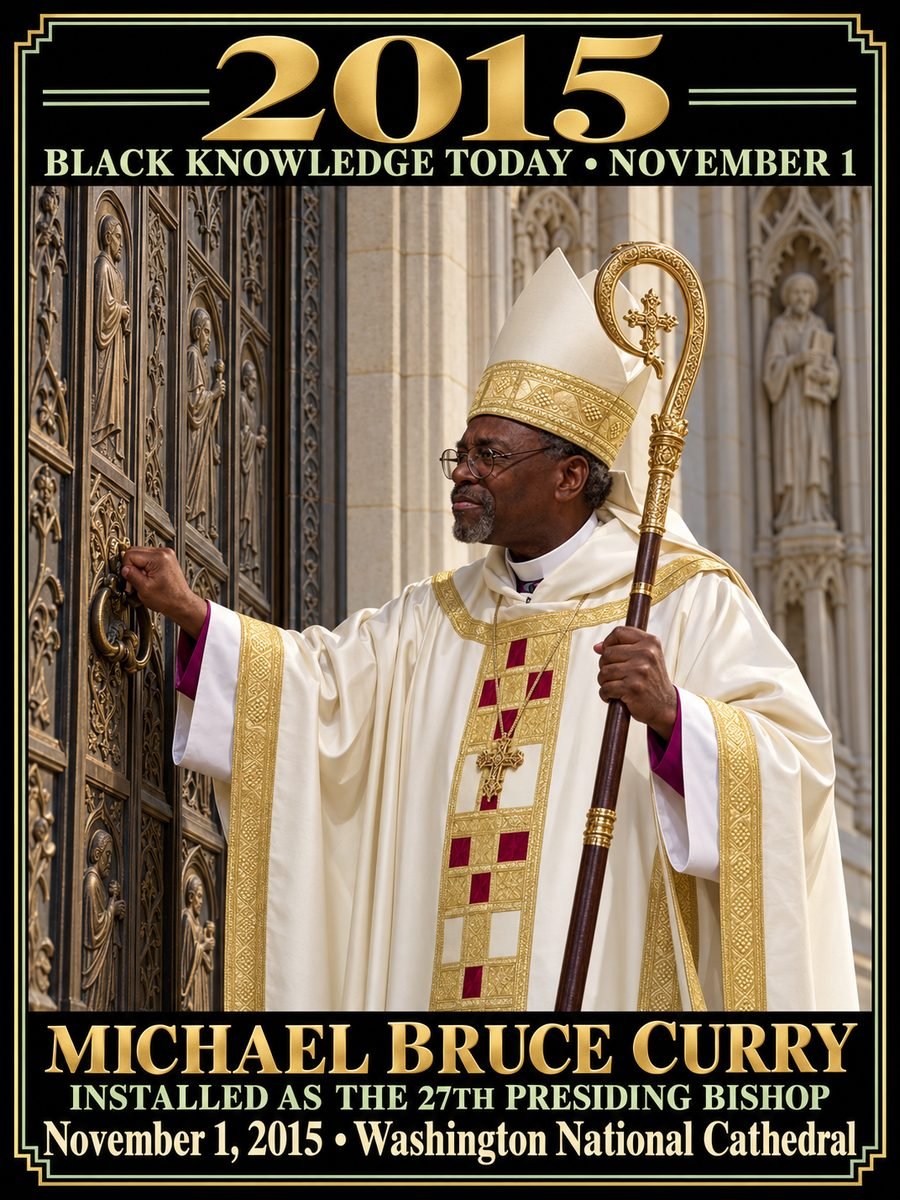
Michael Bruce Curry, bishop of North Carolina, was installed as the 27th presiding bishop and primate of the Episcopal Church on November 1, 2015, All Saints’ Day, at Washington National Cathedral. He was the first African American to lead the denomination. Curry later reached a worldwide audience with his sermon at the 2018 wedding of Prince Harry and Meghan Markle.
