
Black History Knowledge
Black History Knowledge — November 9
Nov
What happened on this day. These are the November 9 moments in Black history worth knowing, remembering, and passing on.
1898 — Election violence kills at least nine Black people in Phoenix, South Carolina
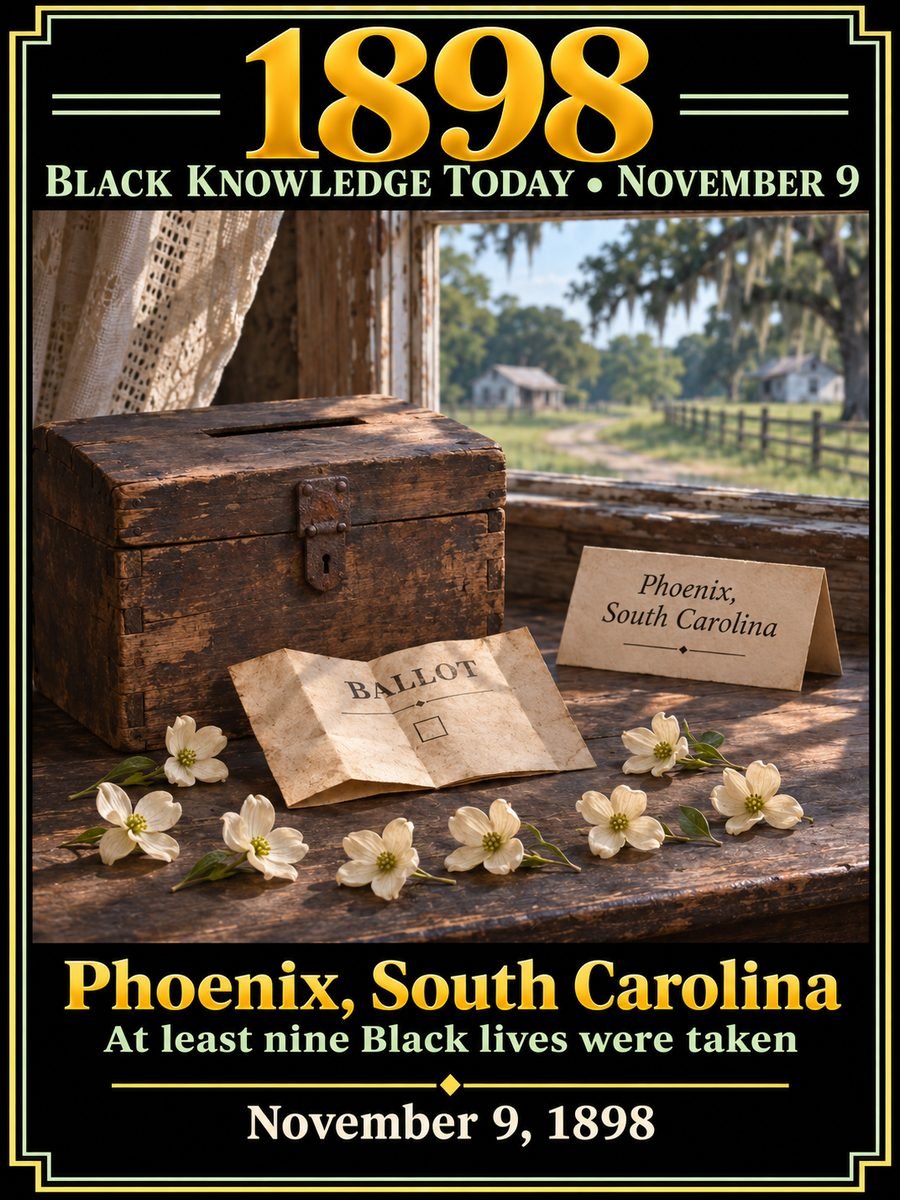
On November 9, 1898, a white mob of as many as 1,000 people attacked Black residents of Phoenix, in Greenwood County, South Carolina, after a dispute over Black voting in the previous day’s election. Over the following days at least nine Black people were killed. No one was ever held accountable.
1906 — The Army orders 167 Black soldiers discharged after the Brownsville affair
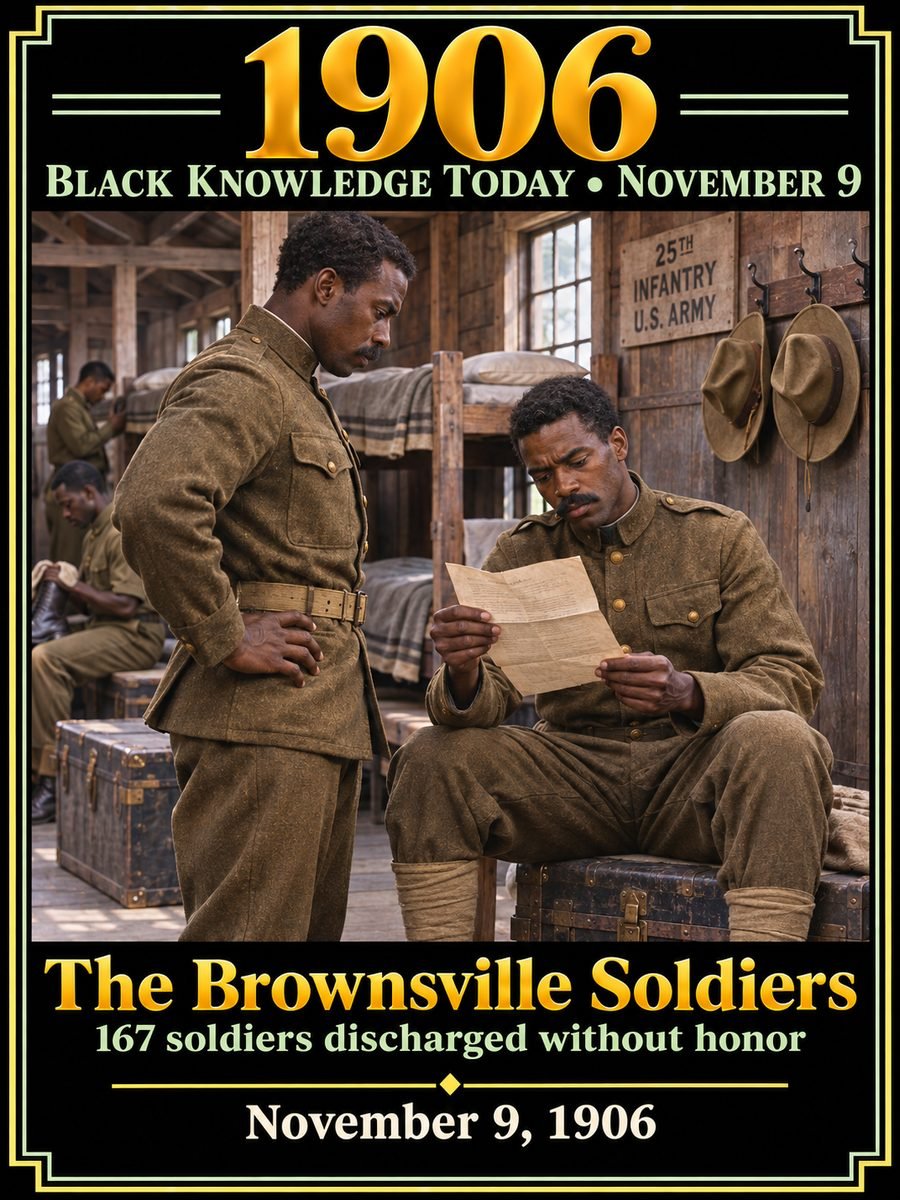
Special Orders No. 266, issued by the War Department on November 9, 1906, carried out President Theodore Roosevelt’s decision to discharge without honor 167 Black soldiers of Companies B, C and D of the 25th Infantry after a deadly shooting in Brownsville, Texas, that they denied taking part in. No trial was held, and the men were barred from re-enlisting and lost their pensions. In 1972 the Army changed the discharges to honorable.
1908 — Supreme Court upholds Kentucky’s ban on integrated colleges in Berea College v. Kentucky
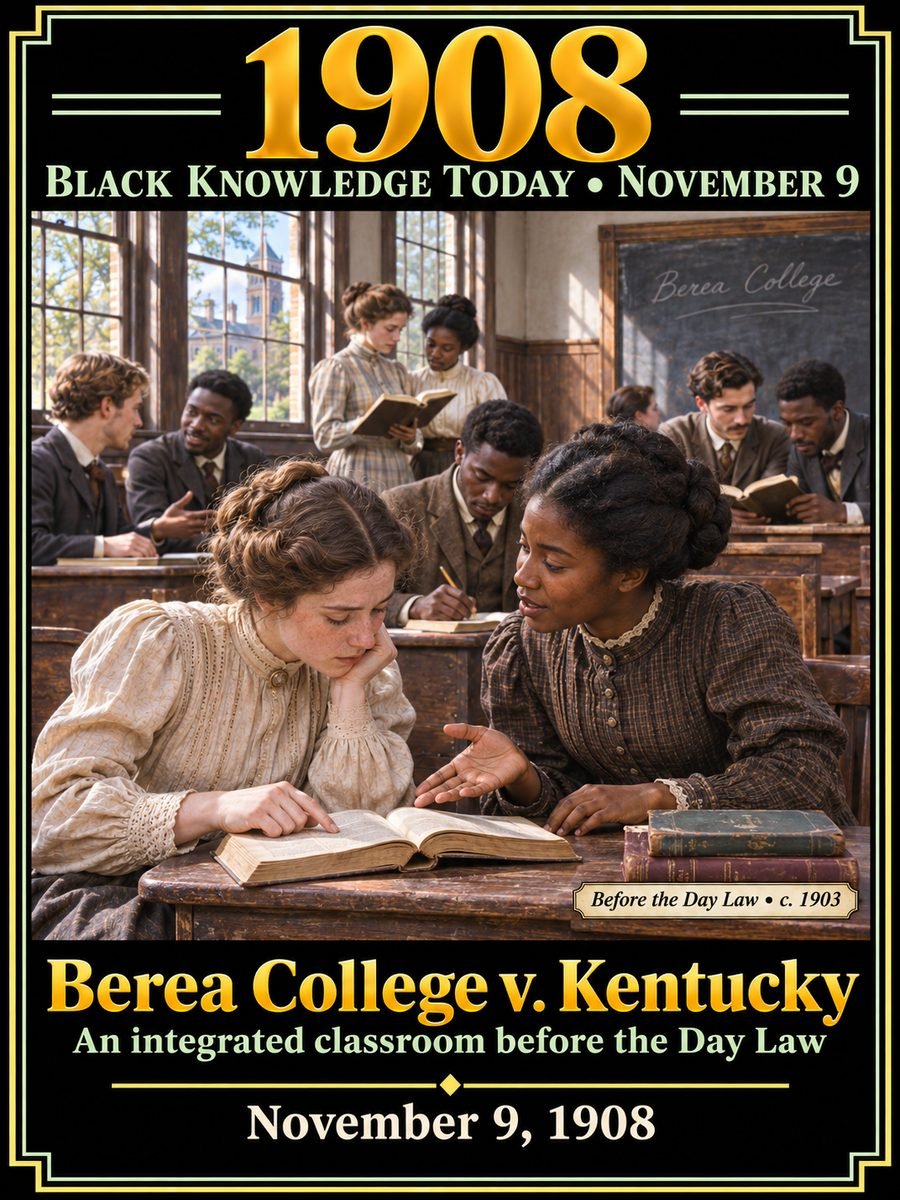
In Berea College v. Kentucky, decided November 9, 1908, the U.S. Supreme Court upheld a Kentucky law that made it a crime for any school to teach Black and white students together. Berea had taught Black and white students together since just after the Civil War. The college responded by helping found the Lincoln Institute for Black students near Louisville.
1993 — Wu-Tang Clan releases ‘Enter the Wu-Tang (36 Chambers)’
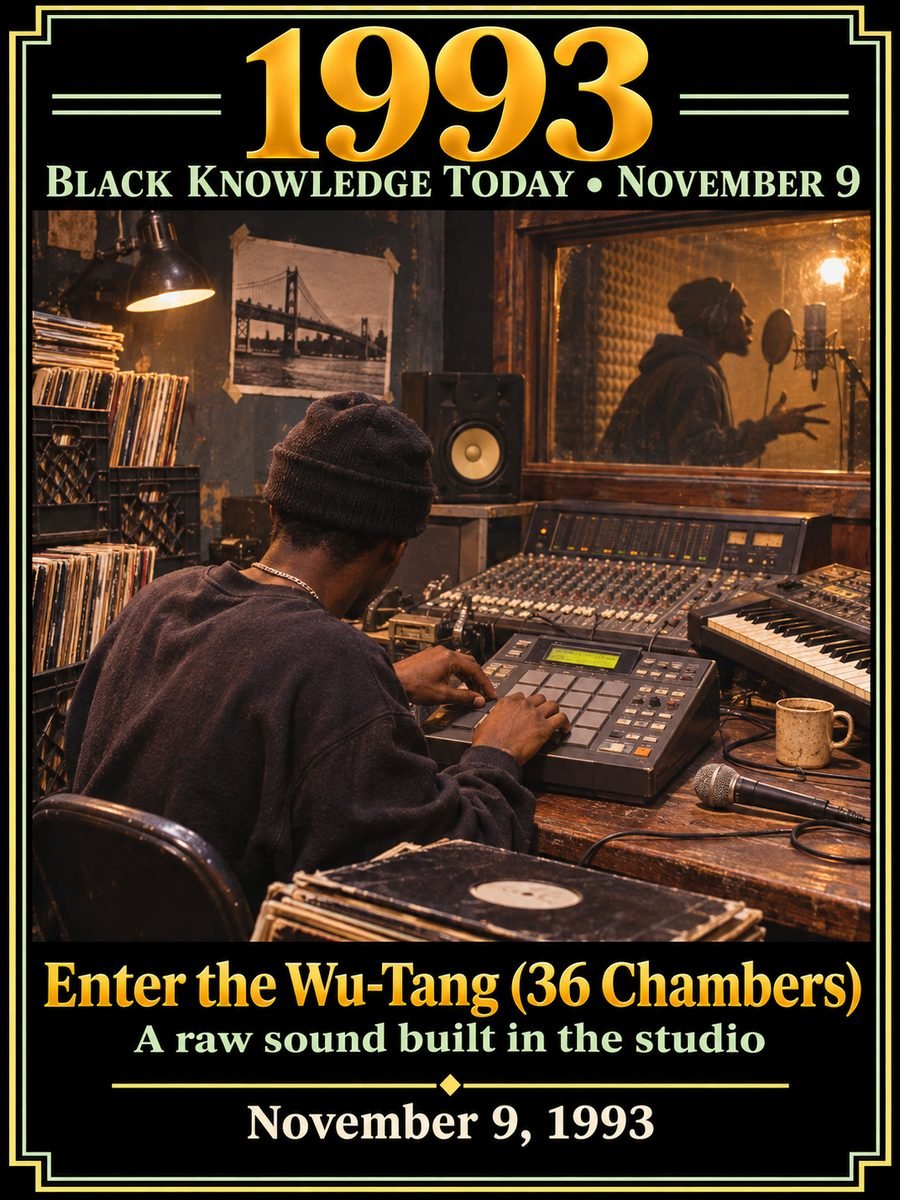
On November 9, 1993, the Staten Island collective Wu-Tang Clan released its debut album, ‘Enter the Wu-Tang (36 Chambers),’ on Loud Records. Produced by RZA, its raw sound and kung-fu film samples changed East Coast hip-hop. After its success, the group’s members signed solo deals with several different labels.
