
Black History Knowledge
Black History Knowledge — November 21
Nov
What happened on this day. These are the November 21 moments in Black history worth knowing, remembering, and passing on.
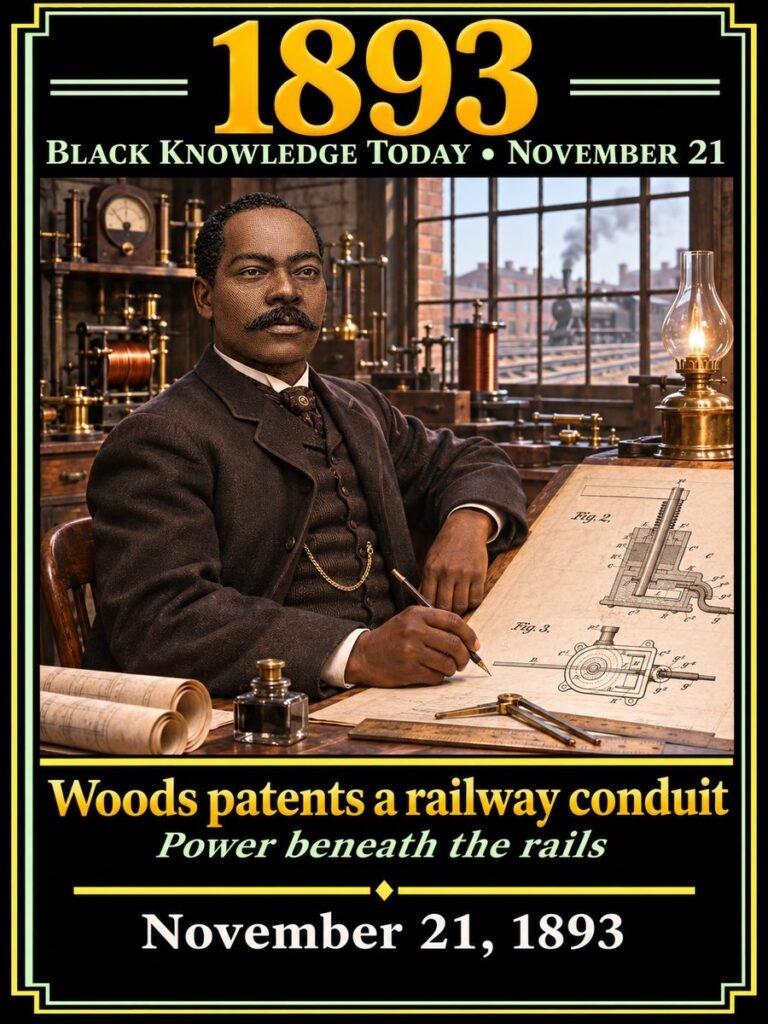
1893 — Granville T. Woods patents an electric railway conduit
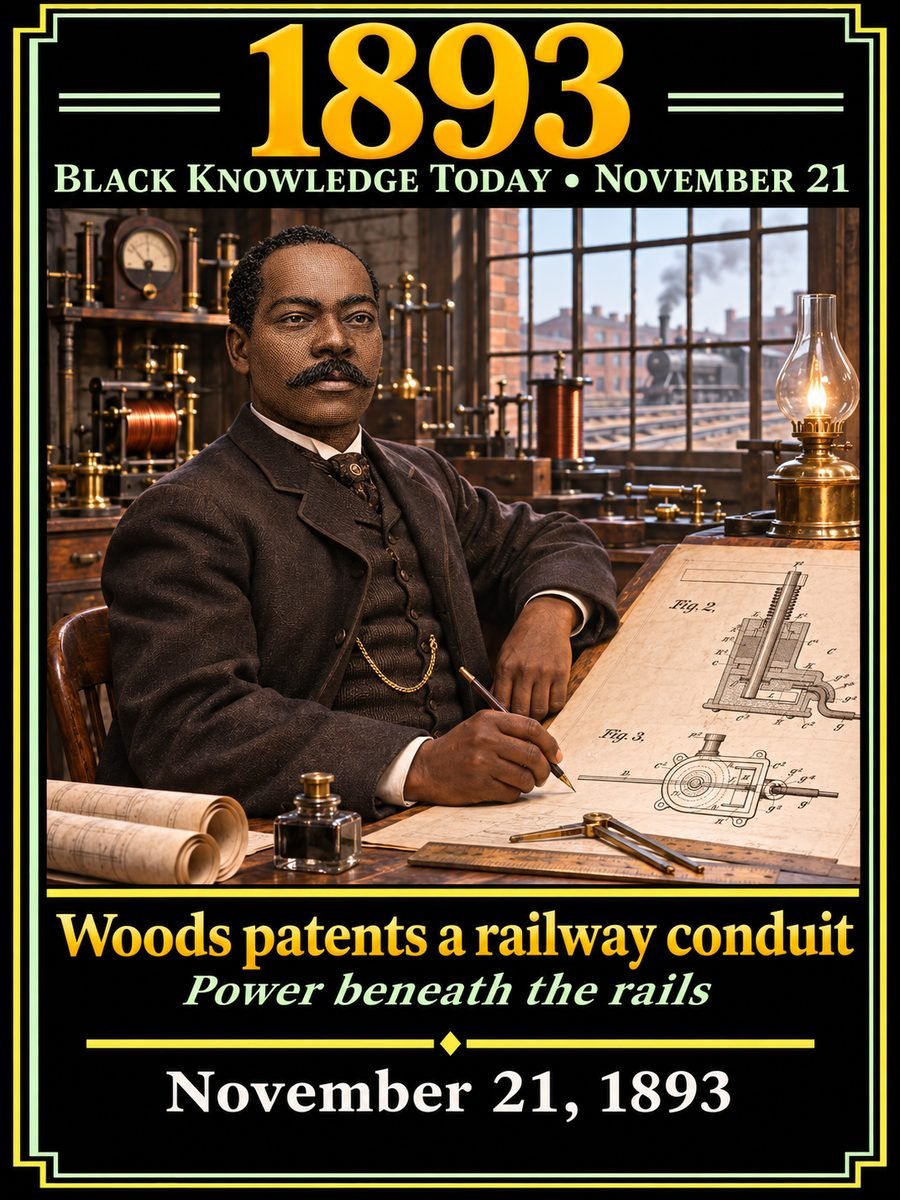
On November 21, 1893, Granville T. Woods received patent No. 509,065 for an electric railway conduit, part of a system for electric railroads that ran their contact devices through underground conduits. Over his life Woods earned nearly 60 patents, many for railroad safety, and his patents were eventually bought and used by General Electric and the Westinghouse Air Brake Company.
1934 — Ella Fitzgerald wins Amateur Night at the Apollo
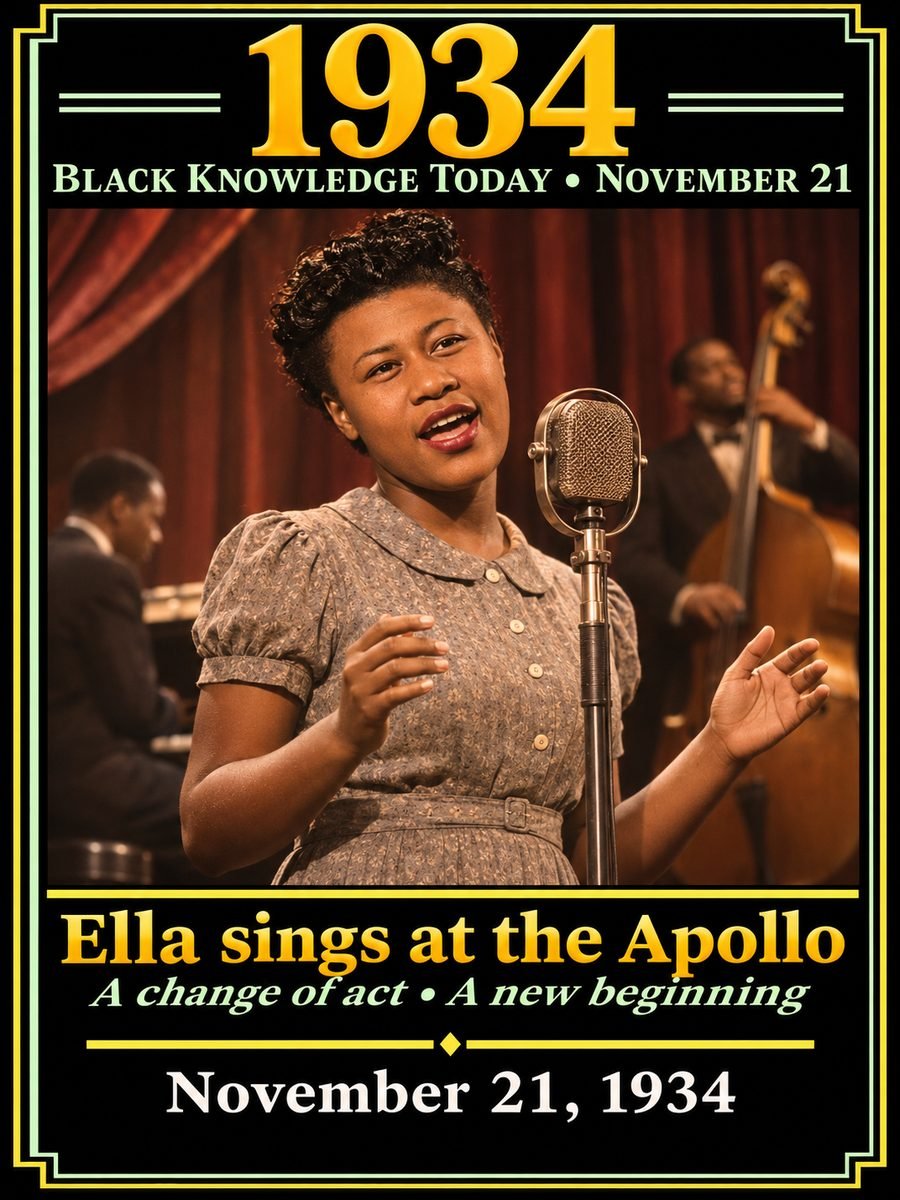
On November 21, 1934, 17-year-old Ella Fitzgerald, who had planned to dance, instead sang at Amateur Night at Harlem’s Apollo Theater and won the $25 first prize. She soon became the featured singer of the Chick Webb Orchestra. Called the First Lady of Song, she went on to win 13 Grammy Awards.
1991 — President Bush signs the Civil Rights Act of 1991
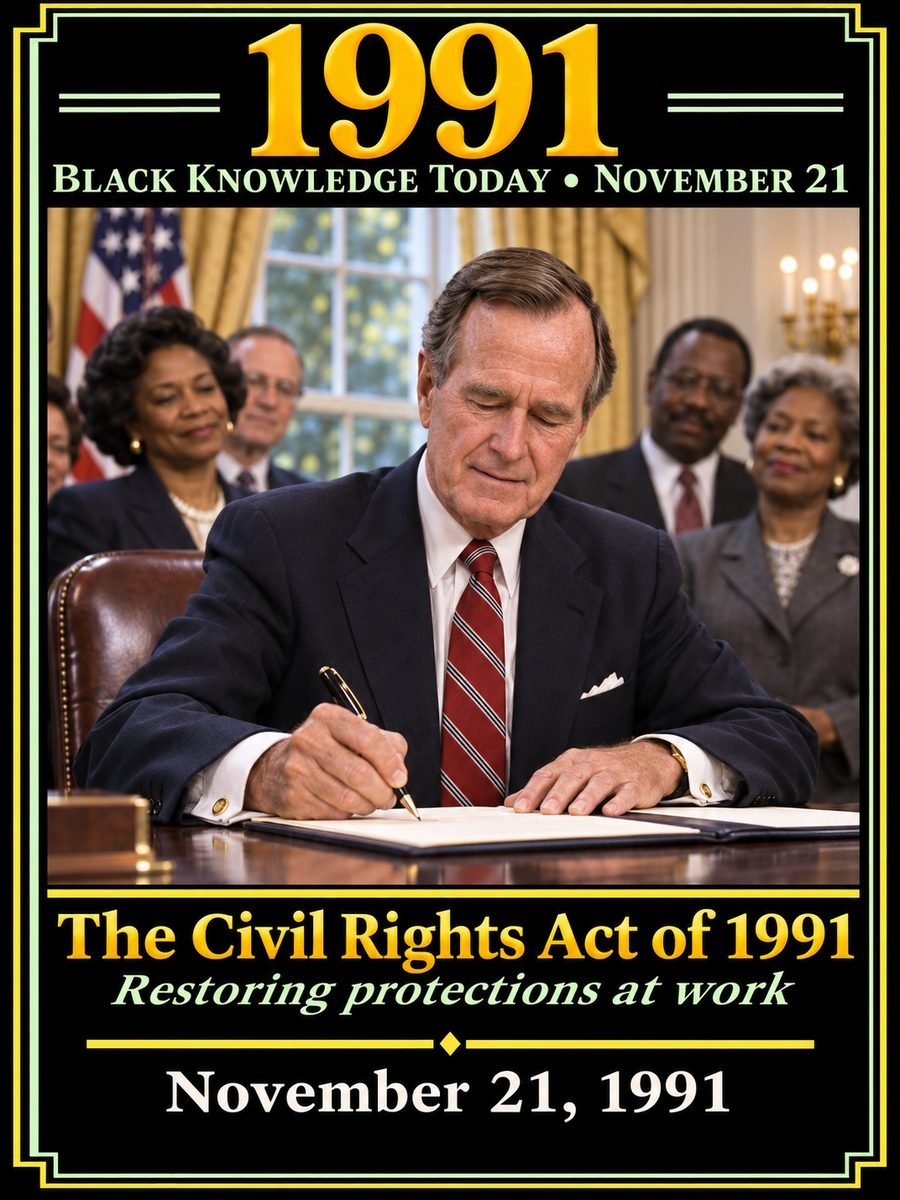
On November 21, 1991, President George H. W. Bush signed the Civil Rights Act of 1991, which responded to recent Supreme Court decisions, including the 1989 Wards Cove ruling, that Congress found had weakened protections against job discrimination. The law let victims of intentional discrimination seek damages, and either side could then demand a jury trial. Bush had vetoed the Civil Rights Act of 1990 the year before.
