
Black History Knowledge
Black History Knowledge — July 25
Jul
What happened on this day. These are the July 25 moments in Black history worth knowing, remembering, and passing on.
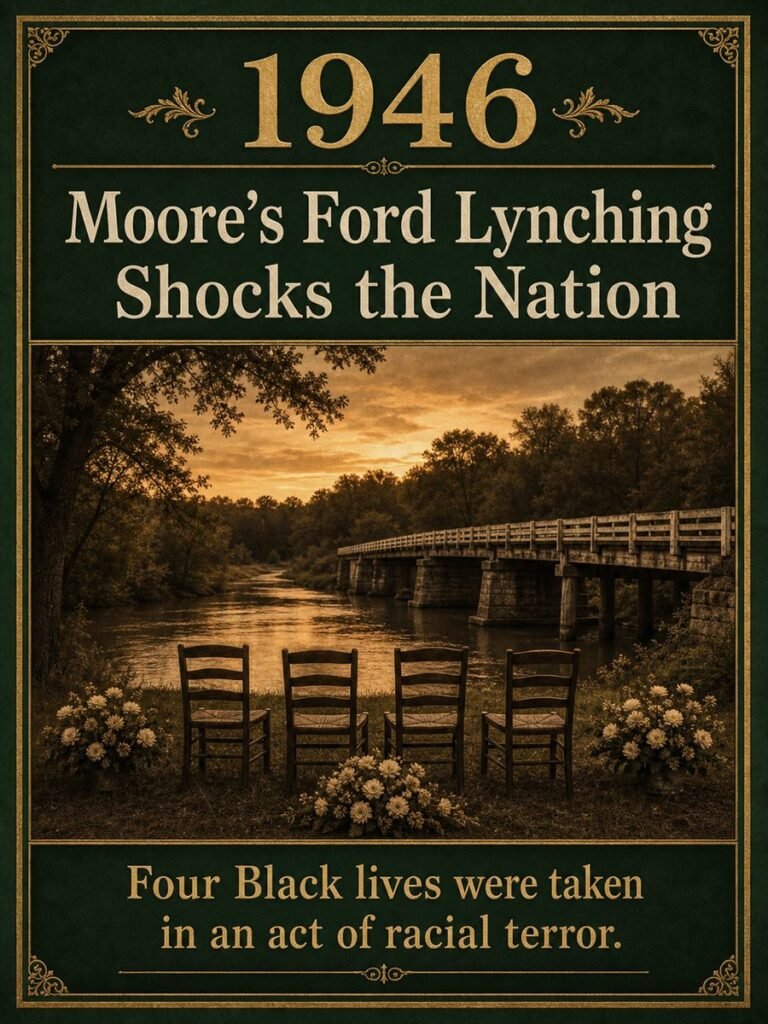
1946 — Moore’s Ford lynching shocks the nation
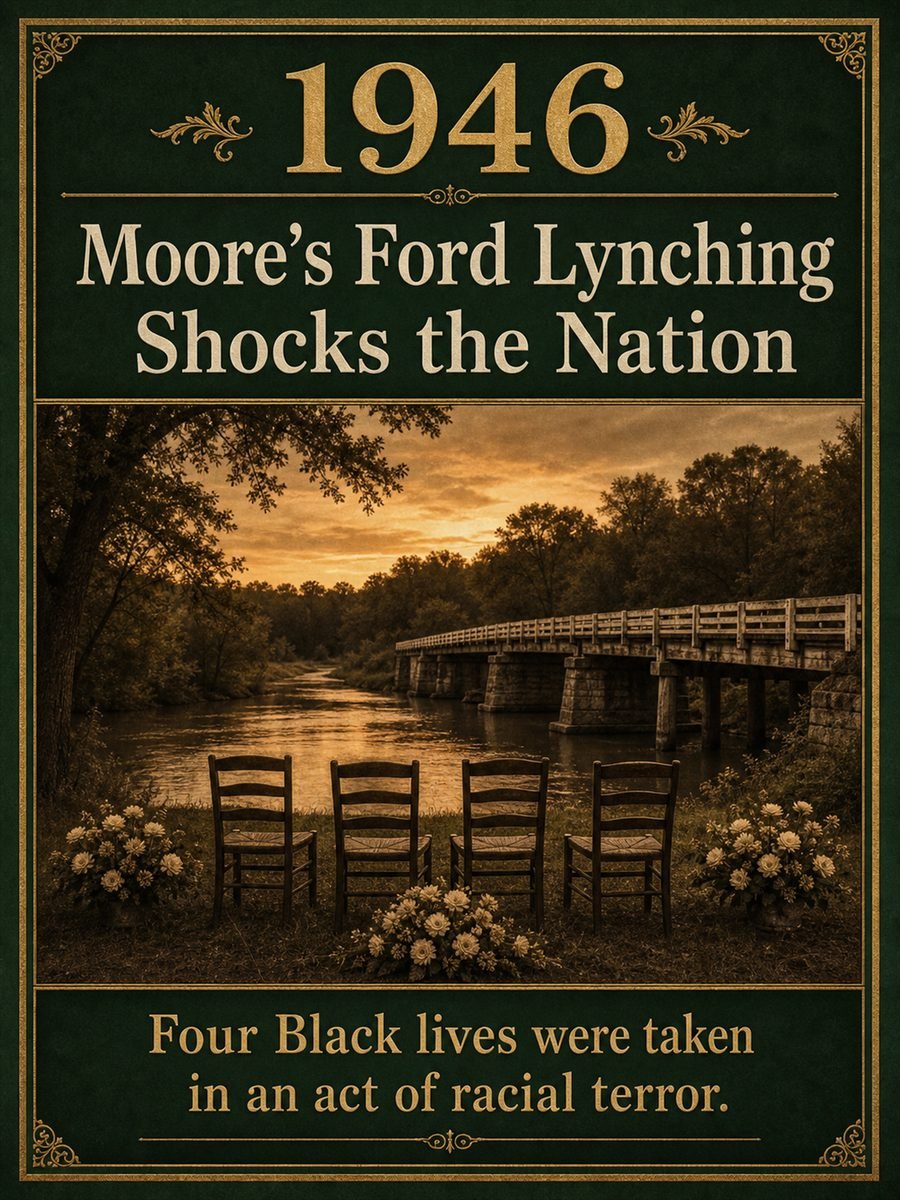
On July 25, 1946, a white mob lynched George W. Dorsey, Mae Murray Dorsey, Roger Malcolm, and Dorothy Malcolm near Moore’s Ford Bridge in Georgia. The attack, one of the last documented mass lynchings in the United States, helped push federal civil rights action during the Truman administration.
1960 — Greensboro Woolworth lunch counter desegregates
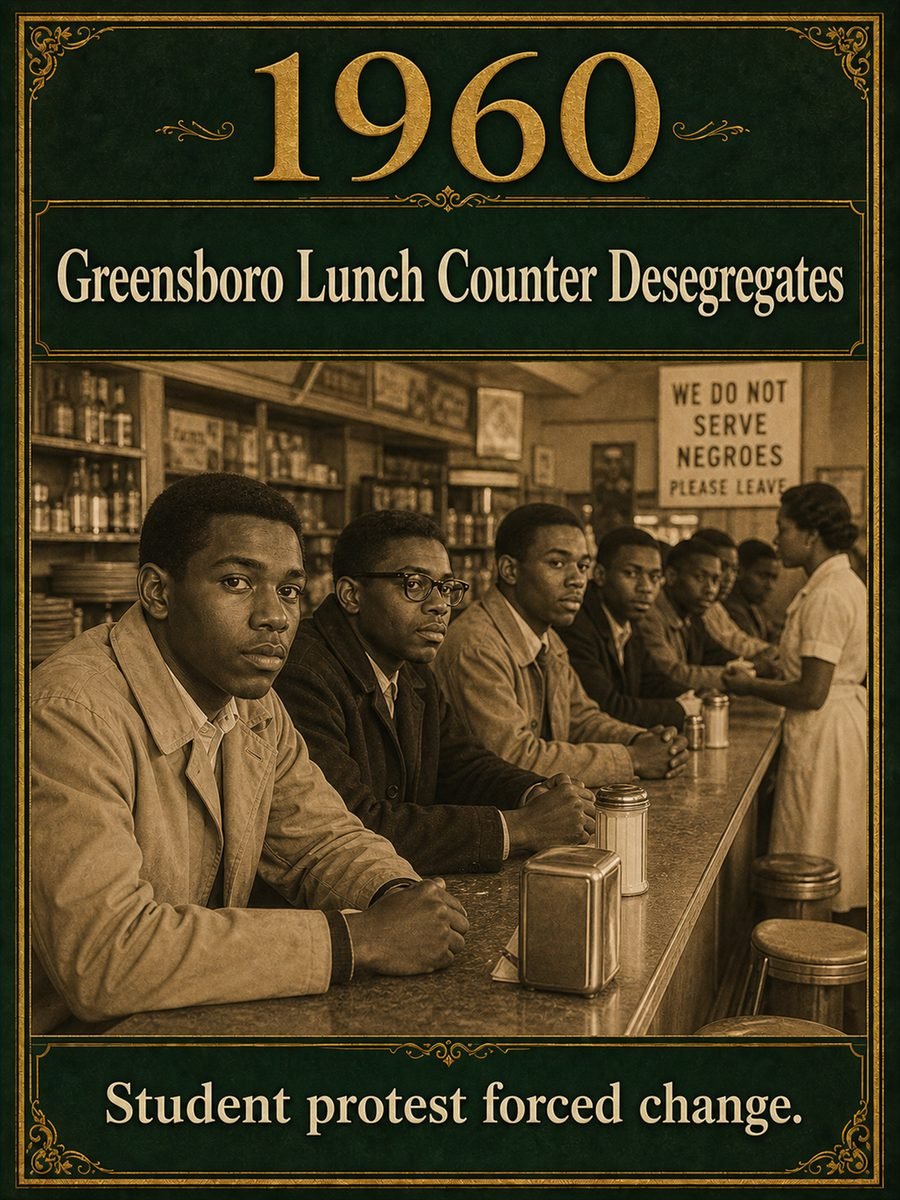
On July 25, 1960, the Woolworth lunch counter in Greensboro, North Carolina, was desegregated after months of sit-ins and student-led protest. The victory showed the power of disciplined direct action and helped spread the sit-in movement across the South.
1972 — Washington Star exposes Tuskegee Syphilis Experiment
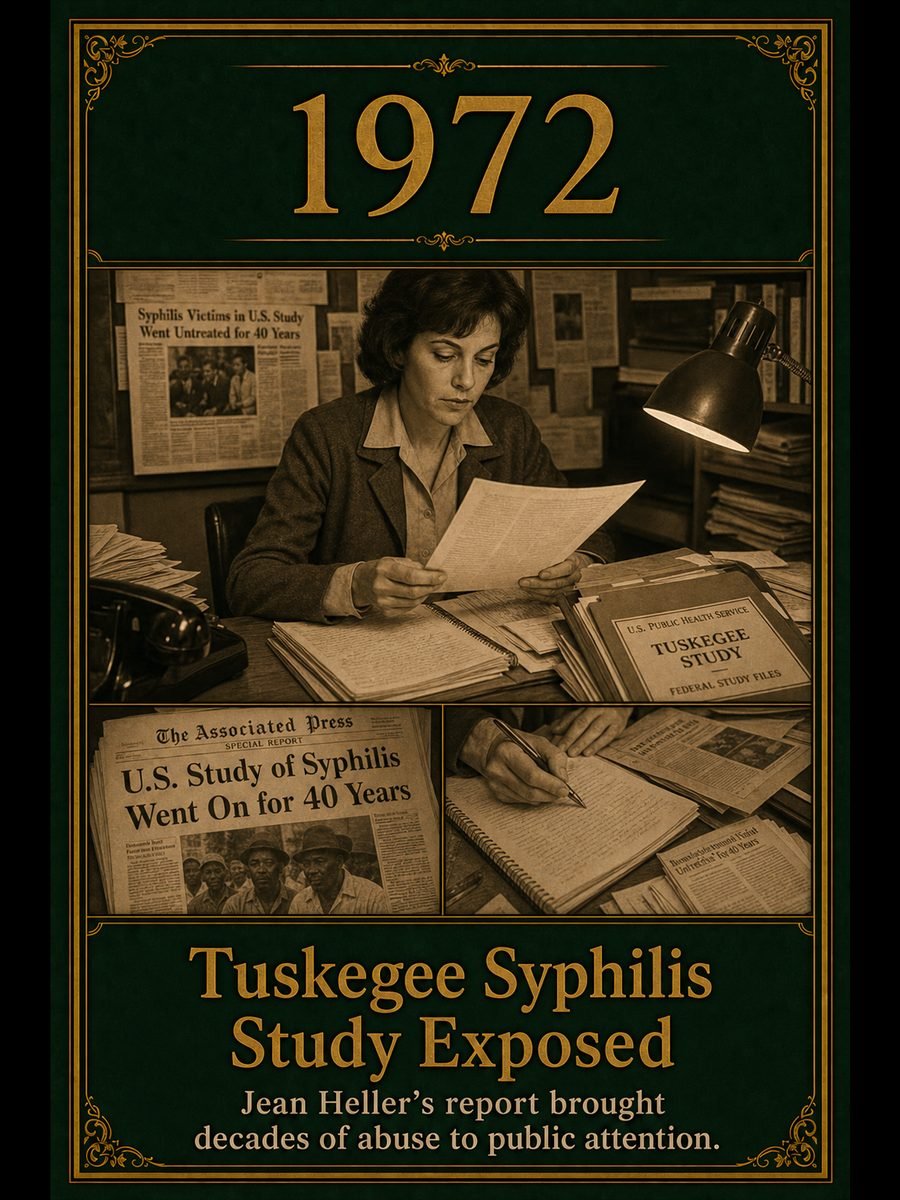
On July 25, 1972, Associated Press reporter Jean Heller’s report exposed the Tuskegee Syphilis Study to the public. The story revealed that Black men in Alabama had been misled and denied proper treatment for decades while the federal government studied the effects of untreated syphilis. The exposure forced national attention on medical racism, informed consent, and the abuse of Black patients by government researchers.
1974 — Milliken v. Bradley limits school desegregation remedies
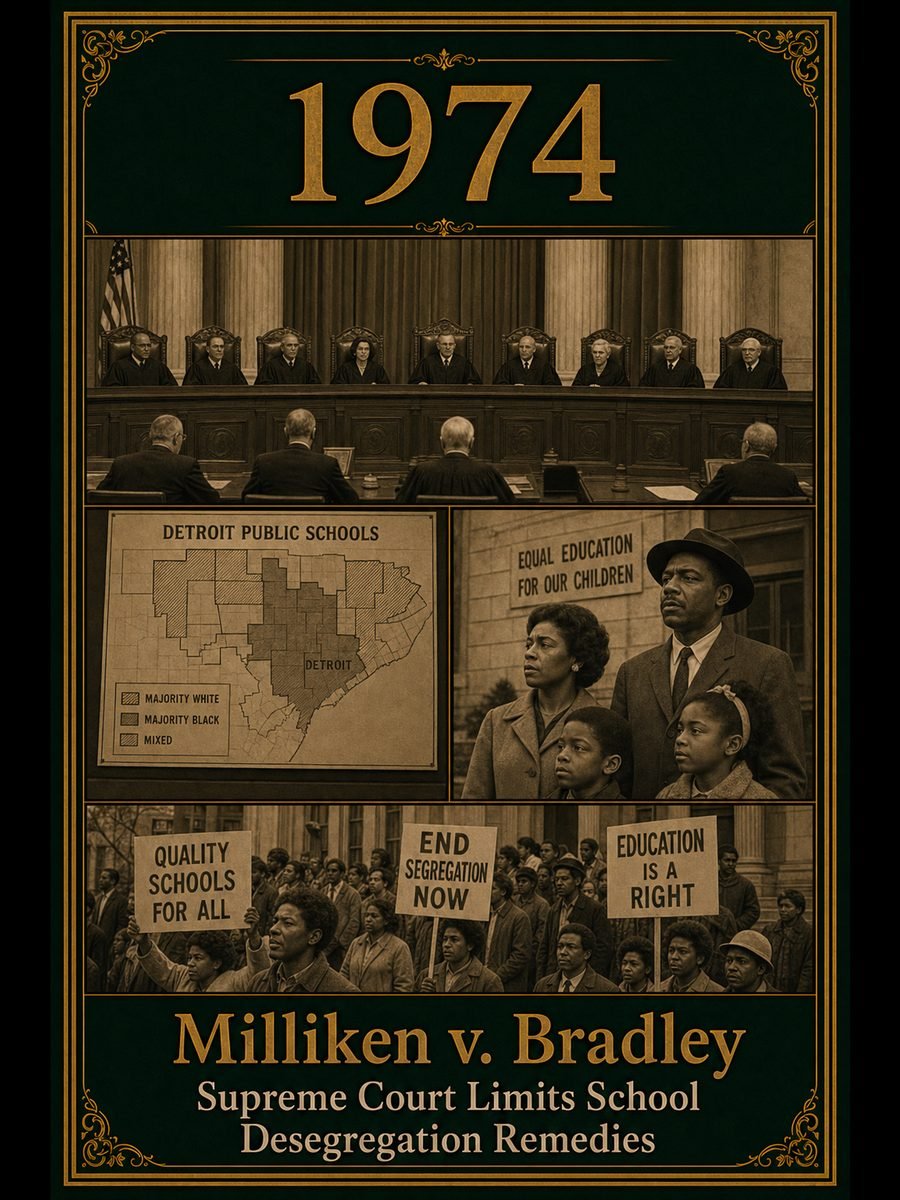
On July 25, 1974, the Supreme Court decided Milliken v. Bradley, a case tied to Detroit-area school segregation. The ruling made it harder to order desegregation remedies across city-suburban district lines, helping protect patterns of racial separation in public education.
