
Black History Knowledge
Black History Knowledge — November 7
Nov
What happened on this day. These are the November 7 moments in Black history worth knowing, remembering, and passing on.
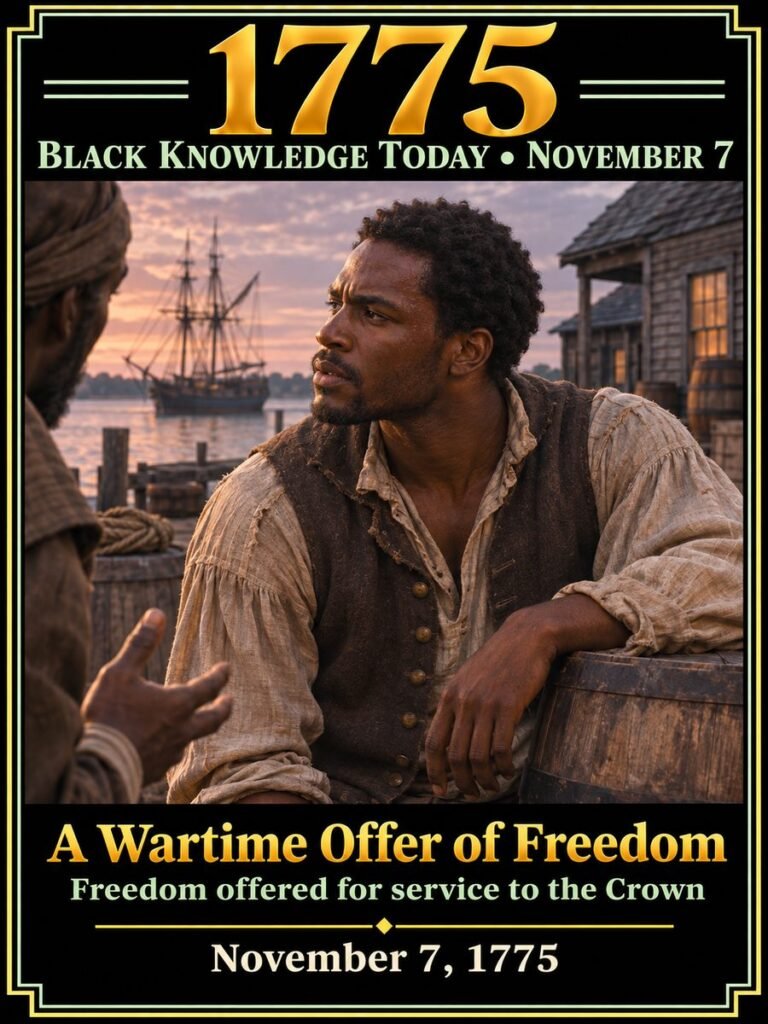
1775 — Lord Dunmore offers freedom to enslaved men who fight for the British
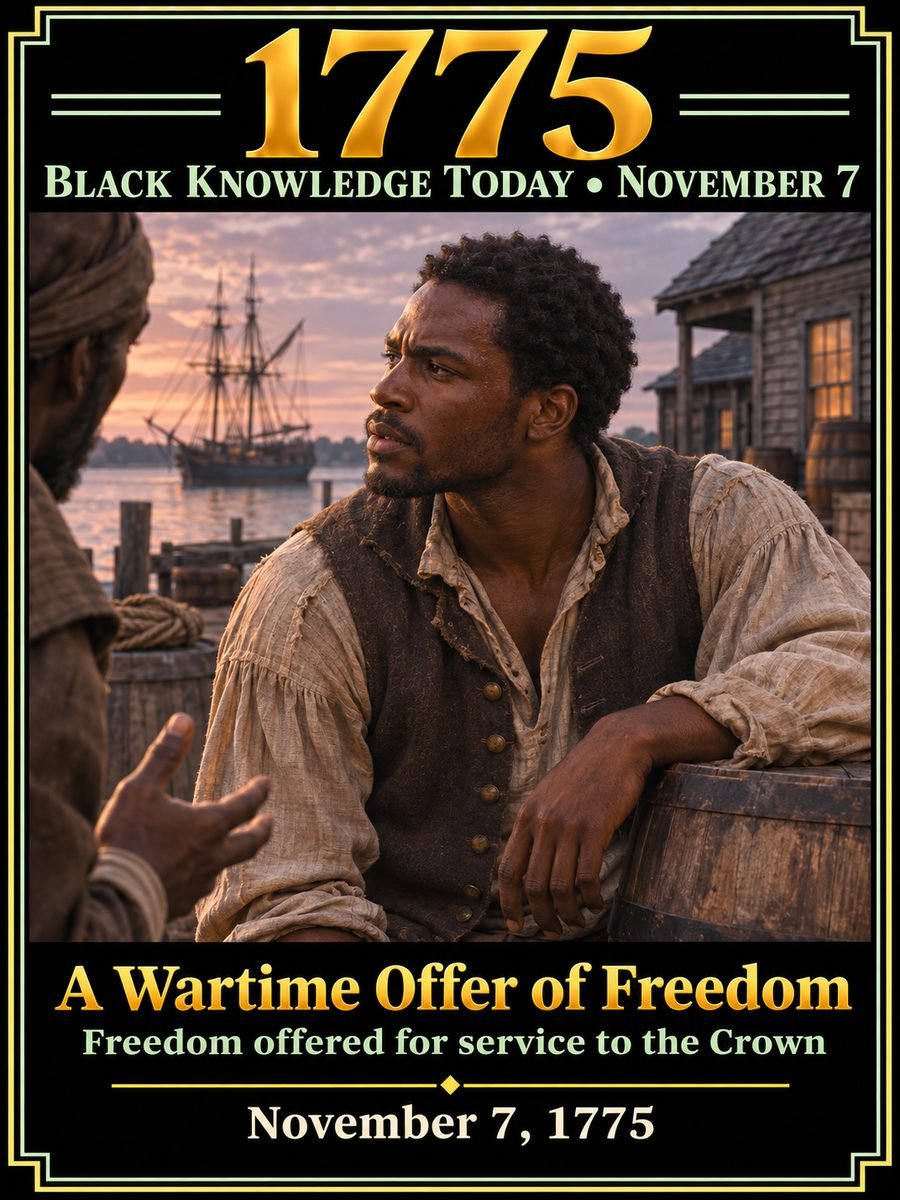
On November 7, 1775, Virginia’s royal governor, John Murray, Earl of Dunmore, signed a proclamation declaring martial law and promising freedom to enslaved people and indentured servants of rebel owners who would fight for the Crown. Hundreds escaped to his lines, and some served in his ‘Ethiopian Regiment.’ The offer pushed many white Virginians toward independence.
1932 — Supreme Court overturns the Scottsboro convictions in Powell v. Alabama
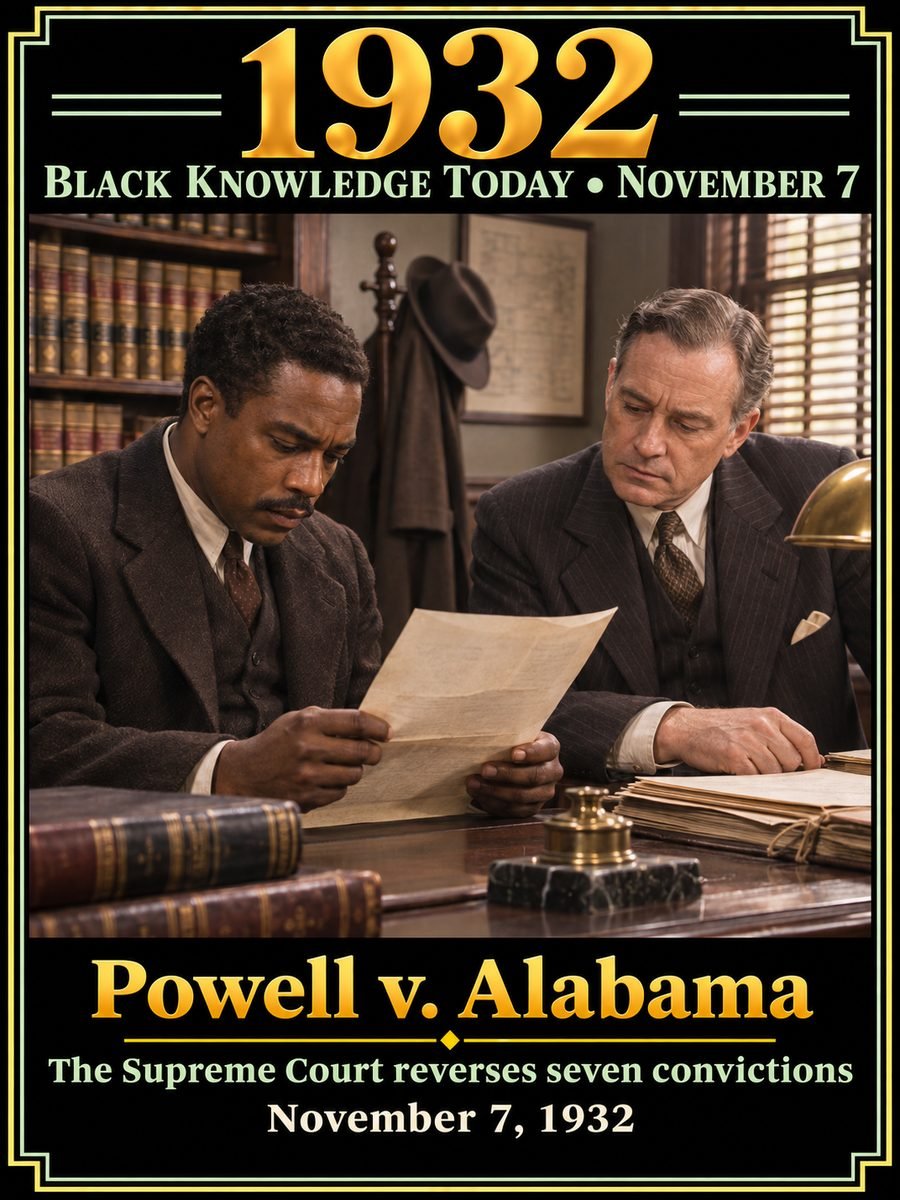
In Powell v. Alabama, decided November 7, 1932, the U.S. Supreme Court reversed the convictions of the Scottsboro Boys, Black teenagers falsely accused of rape in Alabama and sentenced to death. The Court held that the state had denied them the effective help of a lawyer, in violation of due process. It was a landmark in the right to counsel in state criminal trials.
1955 — Supreme Court extends Brown to public beaches and golf courses
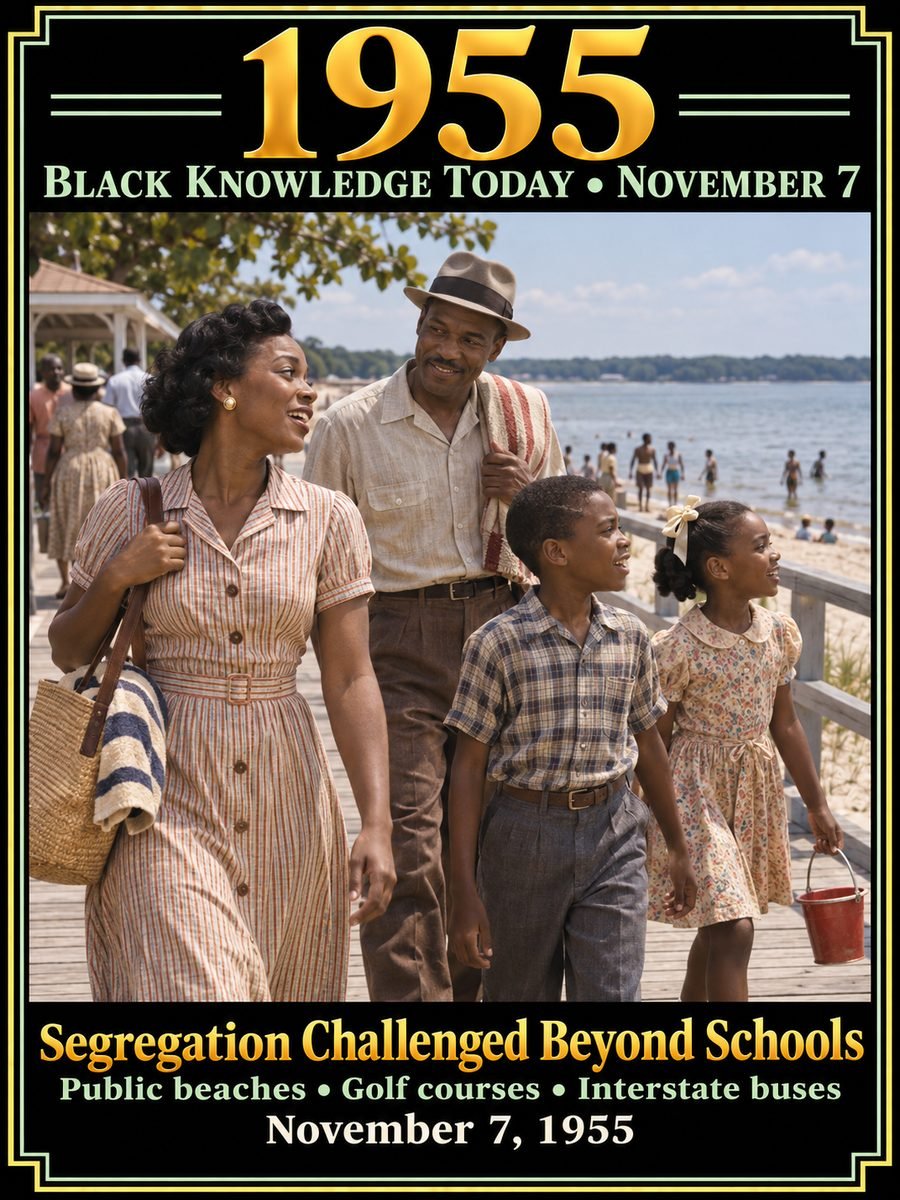
On November 7, 1955, the U.S. Supreme Court upheld a ruling striking down segregation at public beaches and bathhouses in Baltimore and Maryland, and reversed lower courts that had allowed segregated public golf courses in Atlanta. The brief orders carried Brown v. Board of Education beyond schools to public recreation. The same day, the Interstate Commerce Commission ruled in Sarah Keys’s case that segregated seating on interstate buses was illegal, a decision made public later that month.
1967 — Carl Stokes and Richard Hatcher are elected mayors of Cleveland and Gary
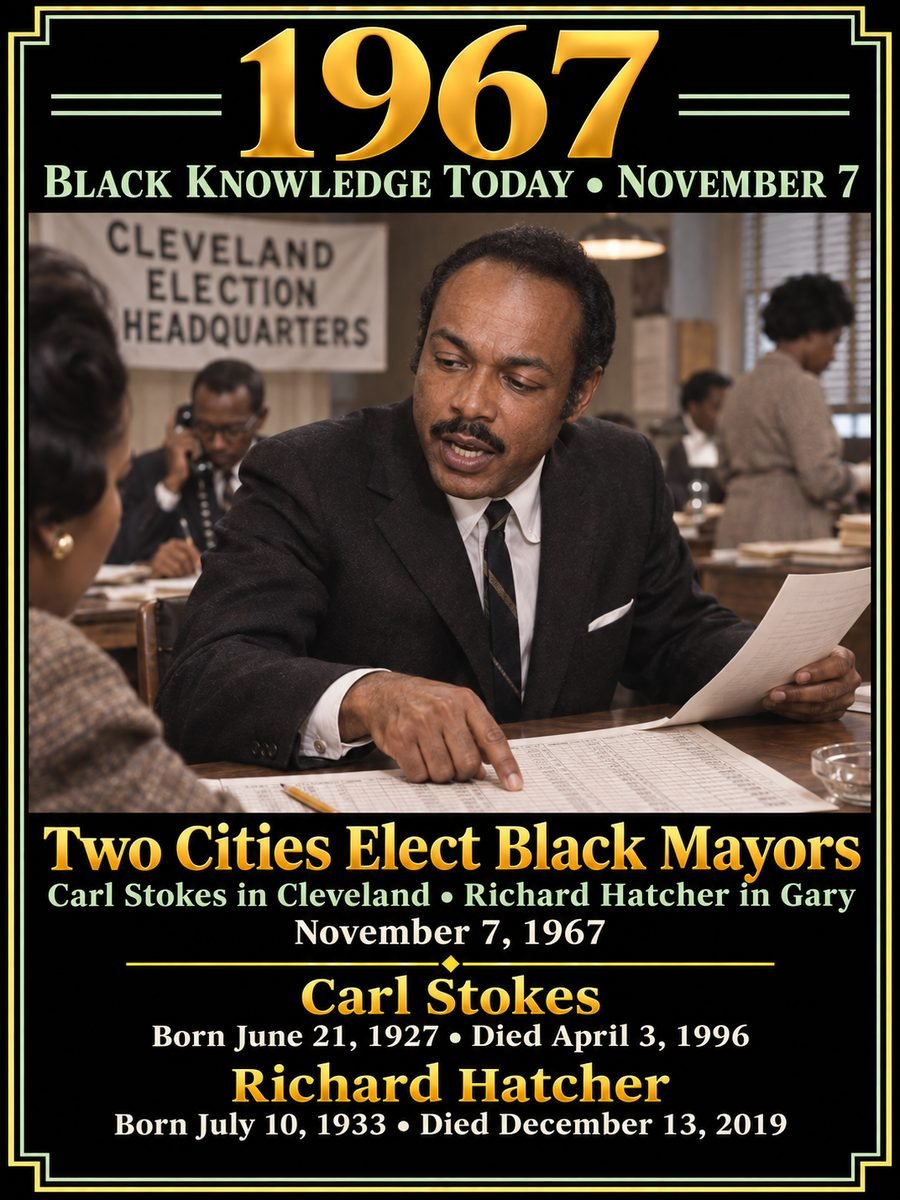
On November 7, 1967, Carl Stokes was elected mayor of Cleveland and Richard Hatcher mayor of Gary, Indiana. They were among the first Black mayors of major American cities. Stokes’s brother Louis was elected to Congress the next year.
1972 — Barbara Jordan and Andrew Young win House seats in the South
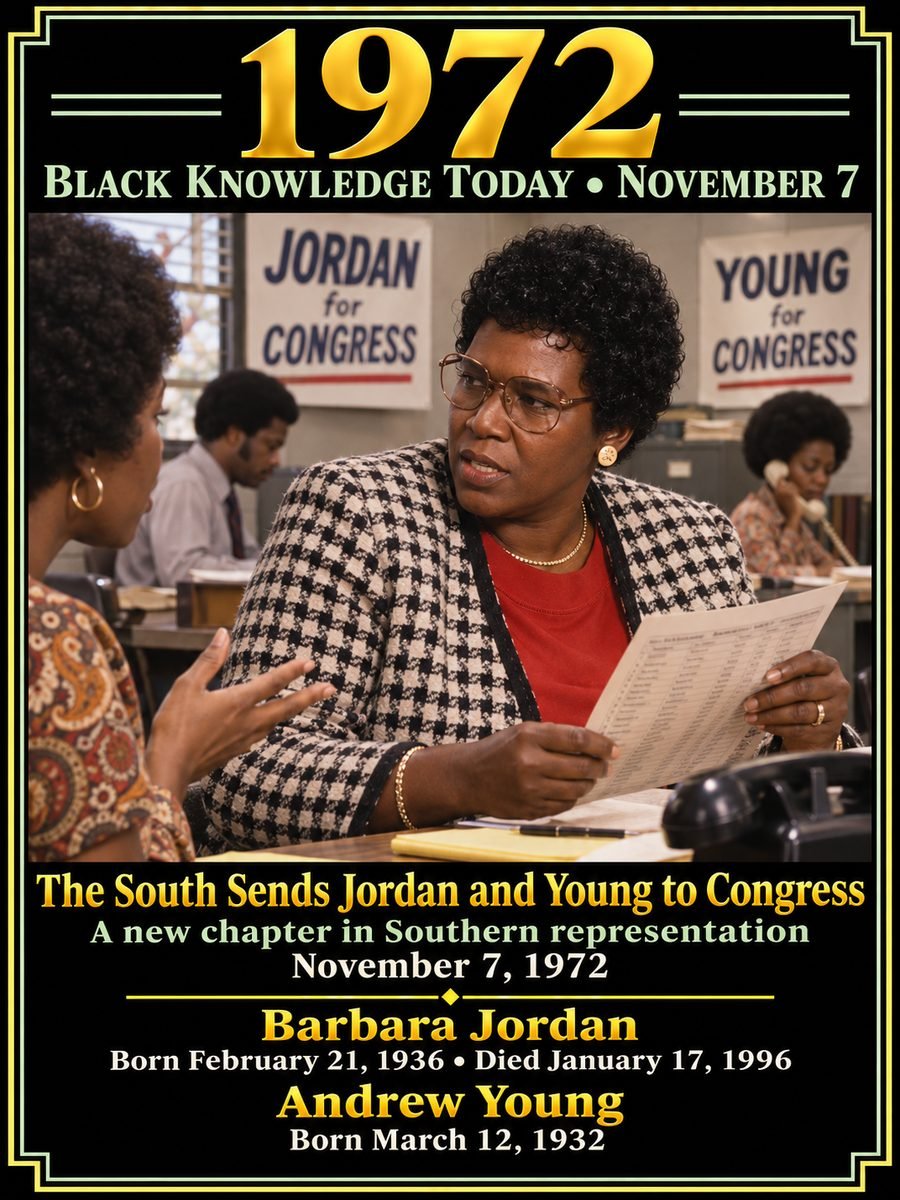
On November 7, 1972, Texas state senator Barbara Jordan and civil rights leader Andrew Young of Georgia won seats in the U.S. House. They were the first Black members of Congress from former Confederate states since 1901, and Jordan was the first Black woman ever elected to Congress from the South. Young later became U.S. ambassador to the United Nations and mayor of Atlanta.
1989 — Douglas Wilder and David Dinkins win historic elections
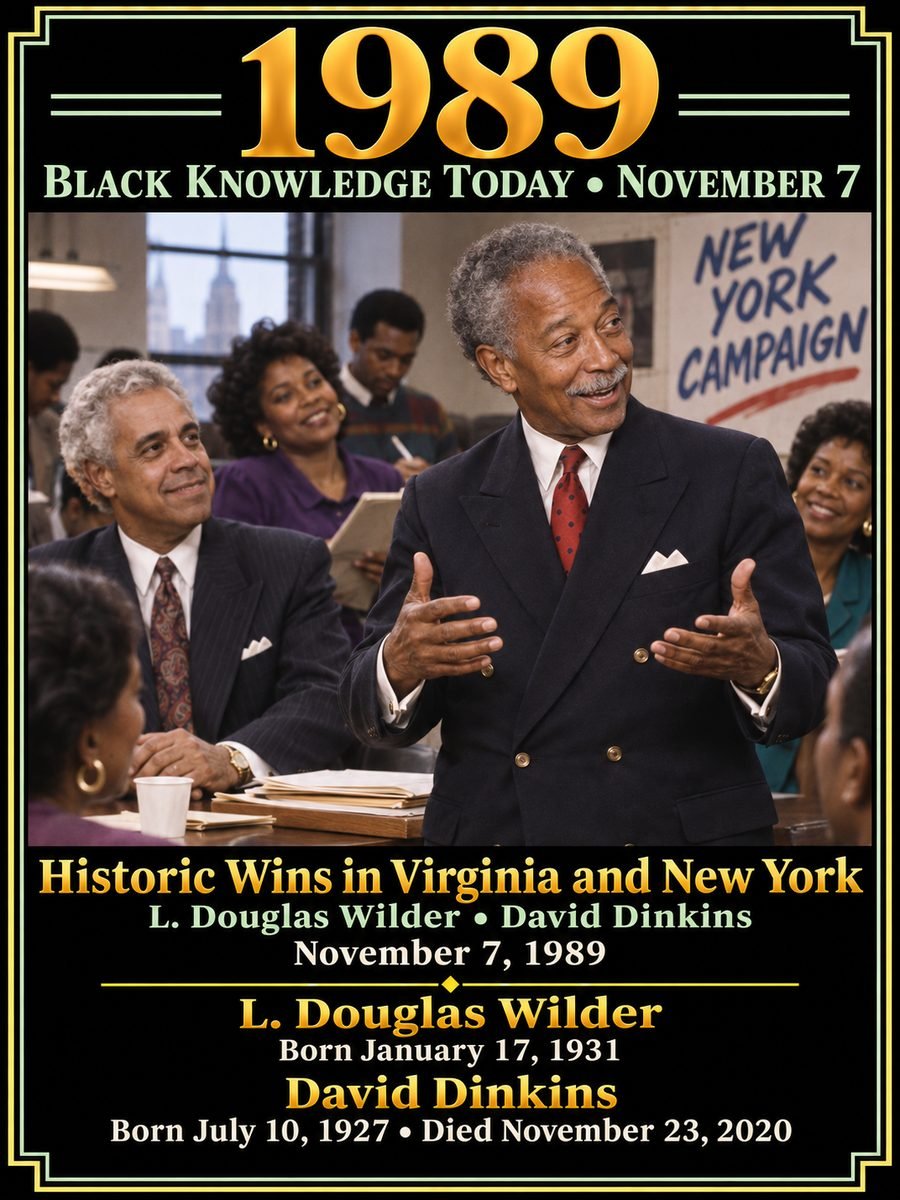
On November 7, 1989, L. Douglas Wilder was elected governor of Virginia, the first African American elected governor of any state, and David Dinkins was elected the first Black mayor of New York City. Wilder won by less than half a percentage point, and a recount confirmed the result. P.B.S. Pinchback had served briefly as acting governor of Louisiana in 1872-73 but was never elected.
1991 — Magic Johnson announces he is HIV-positive
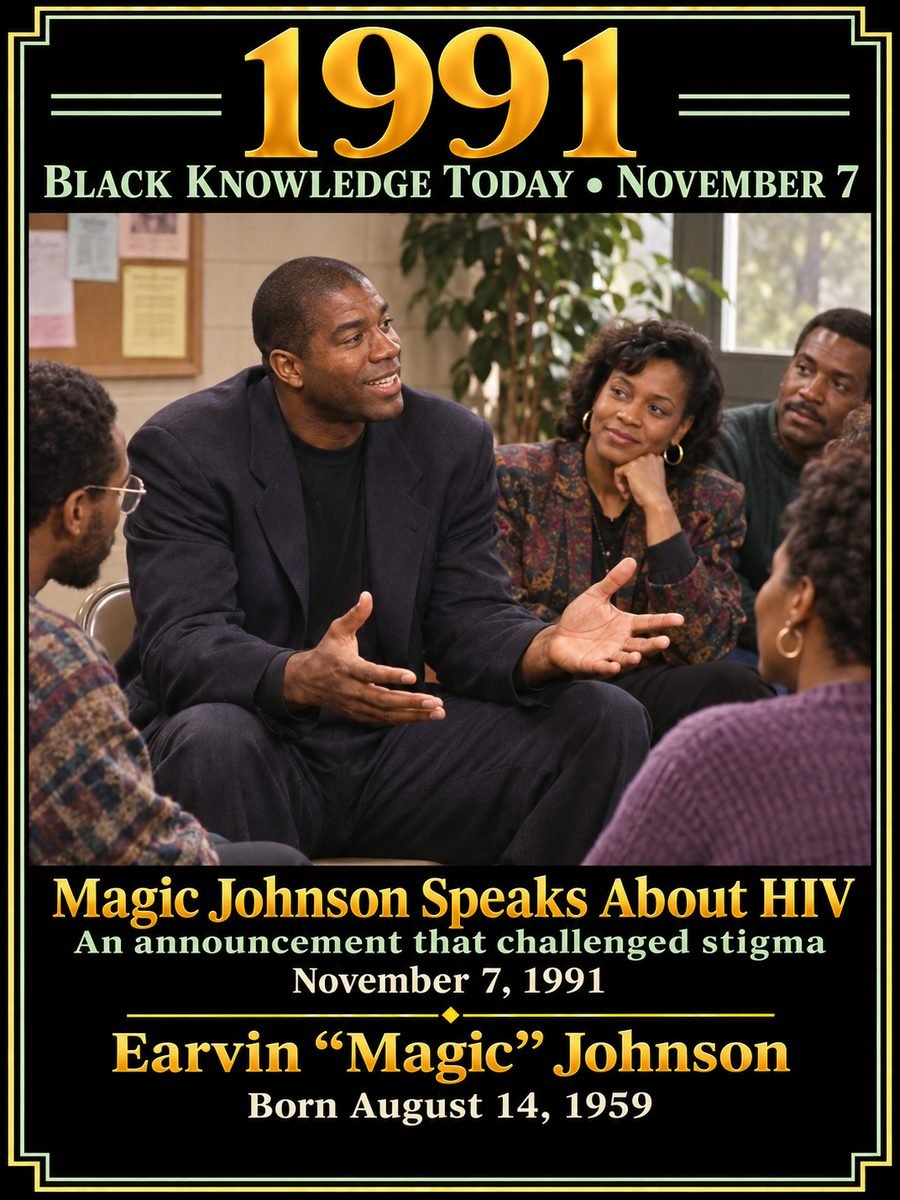
On November 7, 1991, Los Angeles Lakers star Earvin ‘Magic’ Johnson told a news conference that he had tested positive for HIV and was retiring at once. The announcement changed how many Americans understood the virus. Johnson returned for the 1992 All-Star Game and Olympics and became a prominent HIV/AIDS advocate and businessman.
