
Black History Knowledge
Black History Knowledge — October 24
Oct
What happened on this day. These are the October 24 moments in Black history worth knowing, remembering, and passing on.
1882 — A white mob lynched Charles Thurber in Grand Forks, Dakota Territory
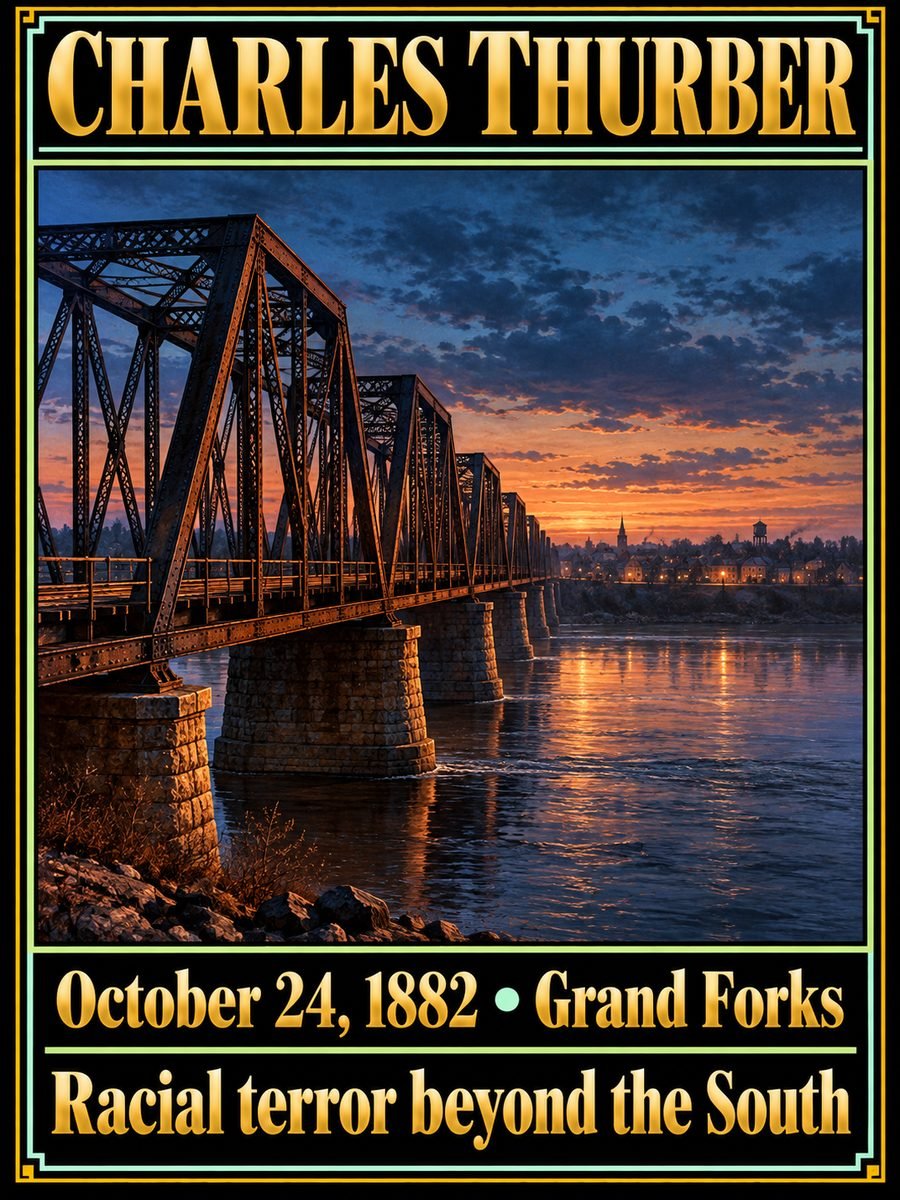
On October 24, 1882, a white mob broke Charles Thurber, a Black man in his 30s, out of the Grand Forks courthouse jail while he awaited a court appearance on assault accusations. The mob dragged him through the streets and hanged him from a railroad bridge over the Red River. Newspapers reported a crowd of about 2,000, and no one was prosecuted. The killing is a documented case of racial terror lynching outside the South; Grand Forks dedicated a memorial marker to Thurber in 2020.
1935 — Langston Hughes’s Mulatto opened on Broadway
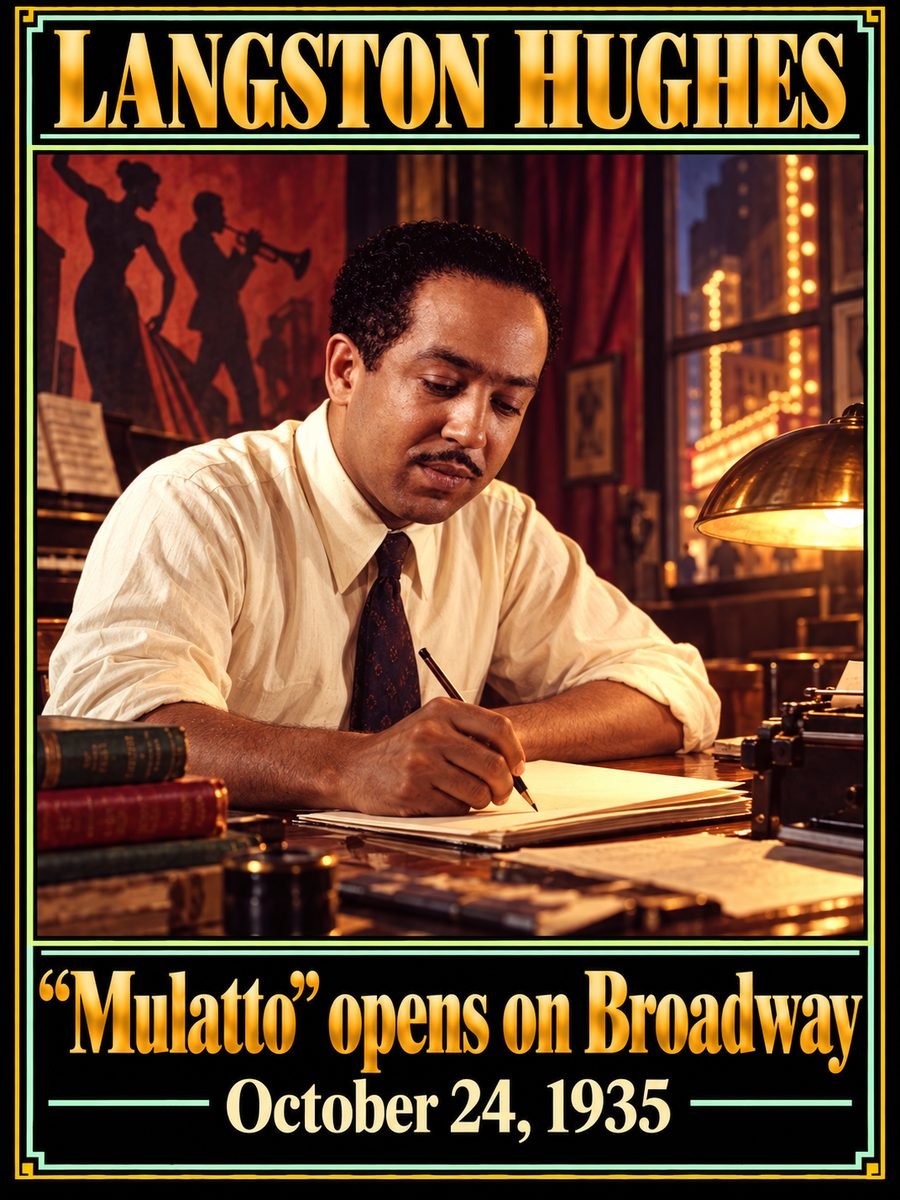
Mulatto opened at the Vanderbilt Theatre on October 24, 1935. The drama confronted interracial exploitation, family conflict, and the violence of the Jim Crow South. With 373 performances between its October 24, 1935, opening and its September 12, 1936, closing, Mulatto gave Langston Hughes an extended Broadway run.
1961 — Birmingham officials announced they would close city parks rather than integrate them
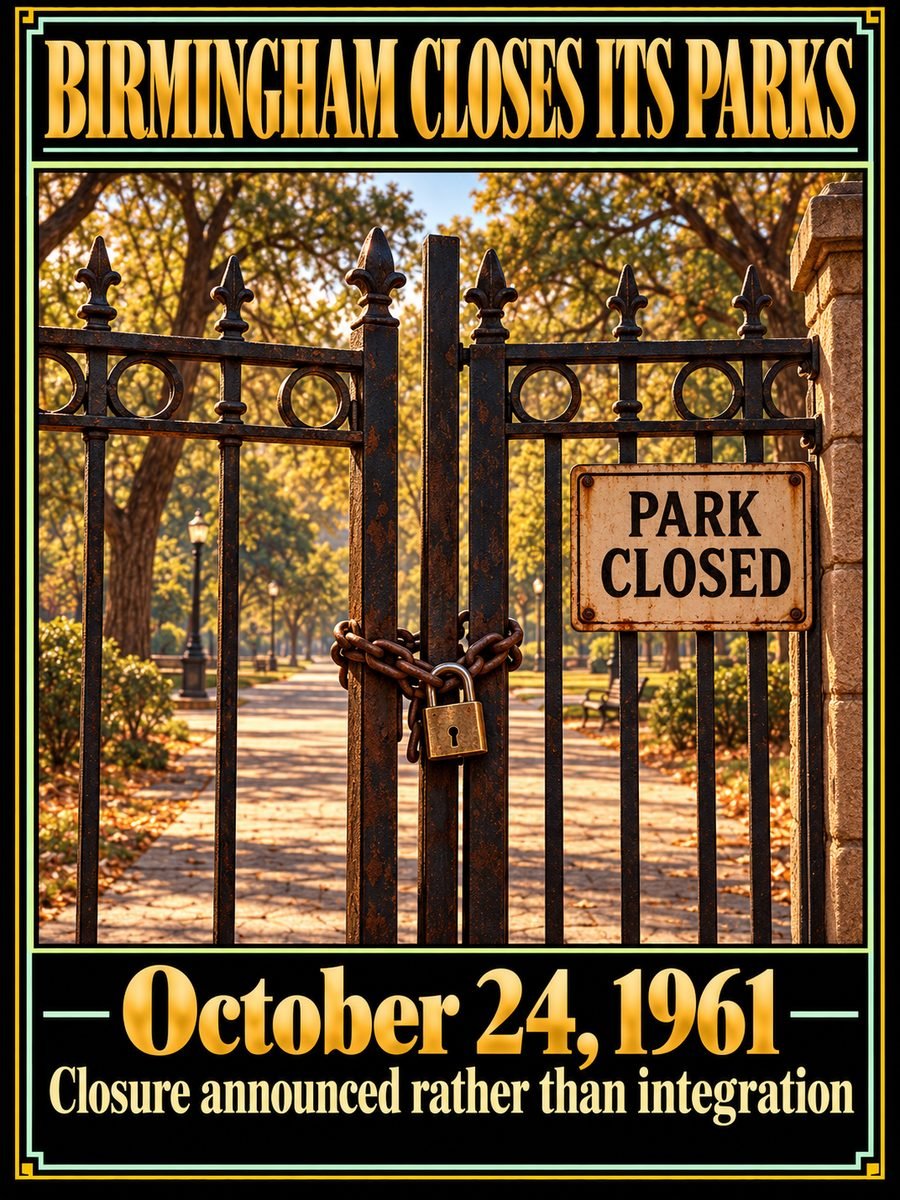
On October 24, 1961, after a federal judge ruled that Birmingham’s segregated parks, golf courses, and playgrounds were unconstitutional, Mayor Art Hanes and Police Commissioner Eugene “Bull” Connor announced that the city would close its public parks rather than integrate them. The lawsuit had been brought by 15 Black leaders, including the Rev. F. L. Shuttlesworth. By December the city had closed 67 parks, 38 playgrounds, four golf courses, and eight swimming pools. The closures show how some Southern cities chose to shut public facilities to everyone rather than open them to Black residents; Birmingham’s parks stayed closed for two years.
