
Black History Knowledge
Black History Knowledge — October 25
Oct
What happened on this day. These are the October 25 moments in Black history worth knowing, remembering, and passing on.
1940 — Benjamin O. Davis Sr. became the U.S. Army’s first Black general
Benjamin O. Davis Sr. was promoted to brigadier general on October 25, 1940, becoming the first Black general officer in the U.S. Army. The promotion was an institutional first achieved while the Army itself remained segregated.
1958 — Thousands joined the Youth March for Integrated Schools
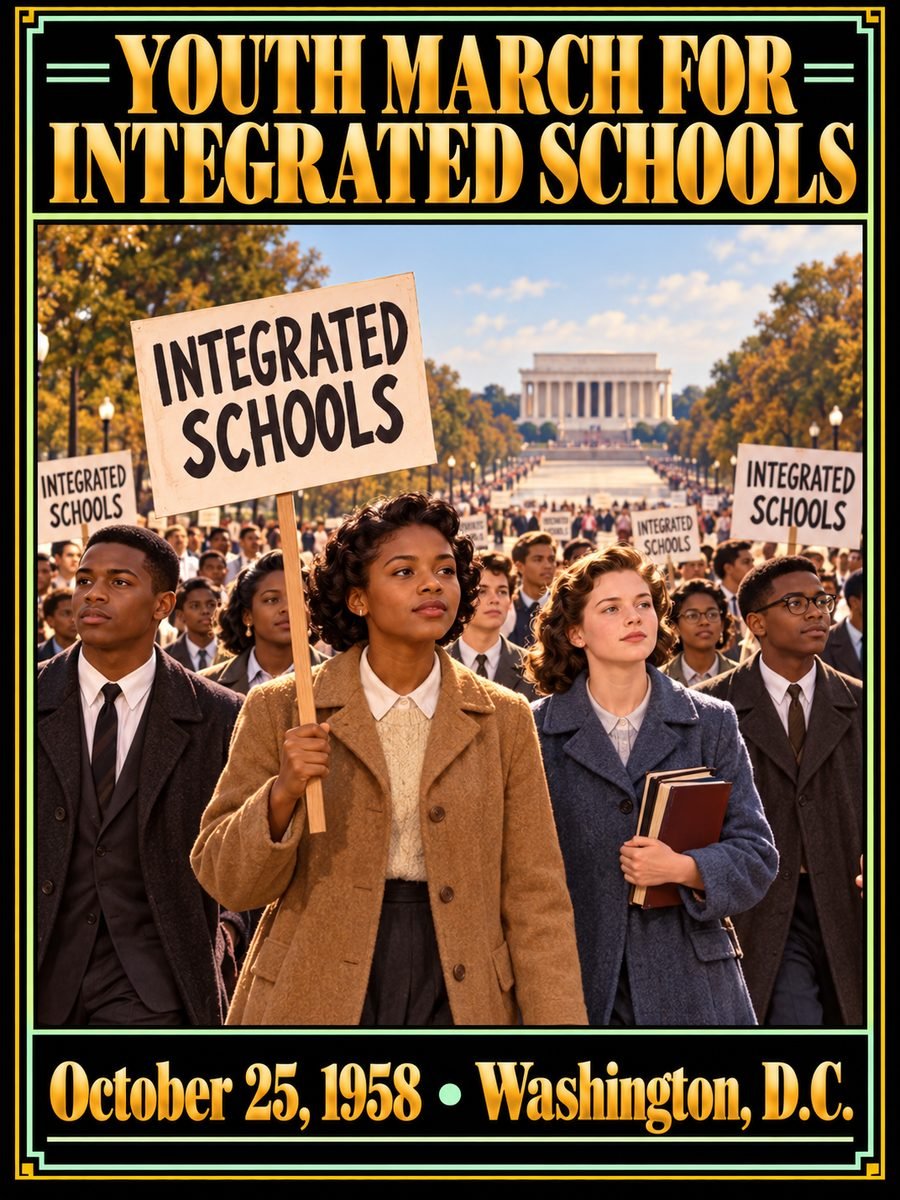
On October 25, 1958, an integrated crowd of about 10,000 marched down Constitution Avenue to the Lincoln Memorial in support of school desegregation. Coretta Scott King spoke on behalf of Martin Luther King Jr., who was recovering from a stabbing, and Harry Belafonte led a small group of students to the White House. Organized by a committee headed by A. Philip Randolph, the march was meant to show solidarity with Black children in the South who were desegregating schools; a larger second Youth March followed on April 18, 1959.
1976 — Alabama pardoned Clarence Norris, the last surviving Scottsboro defendant
On October 25, 1976, Alabama Governor George Wallace pardoned Clarence Norris, the last surviving defendant of the 1931 Scottsboro case. Norris had been paroled in 1946 and left Alabama in violation of parole. With help from NAACP lawyers he sought a pardon, and after the parole board cleared his parole violation, Wallace approved it. Norris, then 64, held a news conference in Montgomery with NAACP leader Roy Wilkins. The pardon came 45 years after nine Black teenagers and young men were falsely accused of rape in Scottsboro, a case that became an international symbol of racial injustice in Southern courts.
1997 — The Million Woman March filled Philadelphia’s Benjamin Franklin Parkway
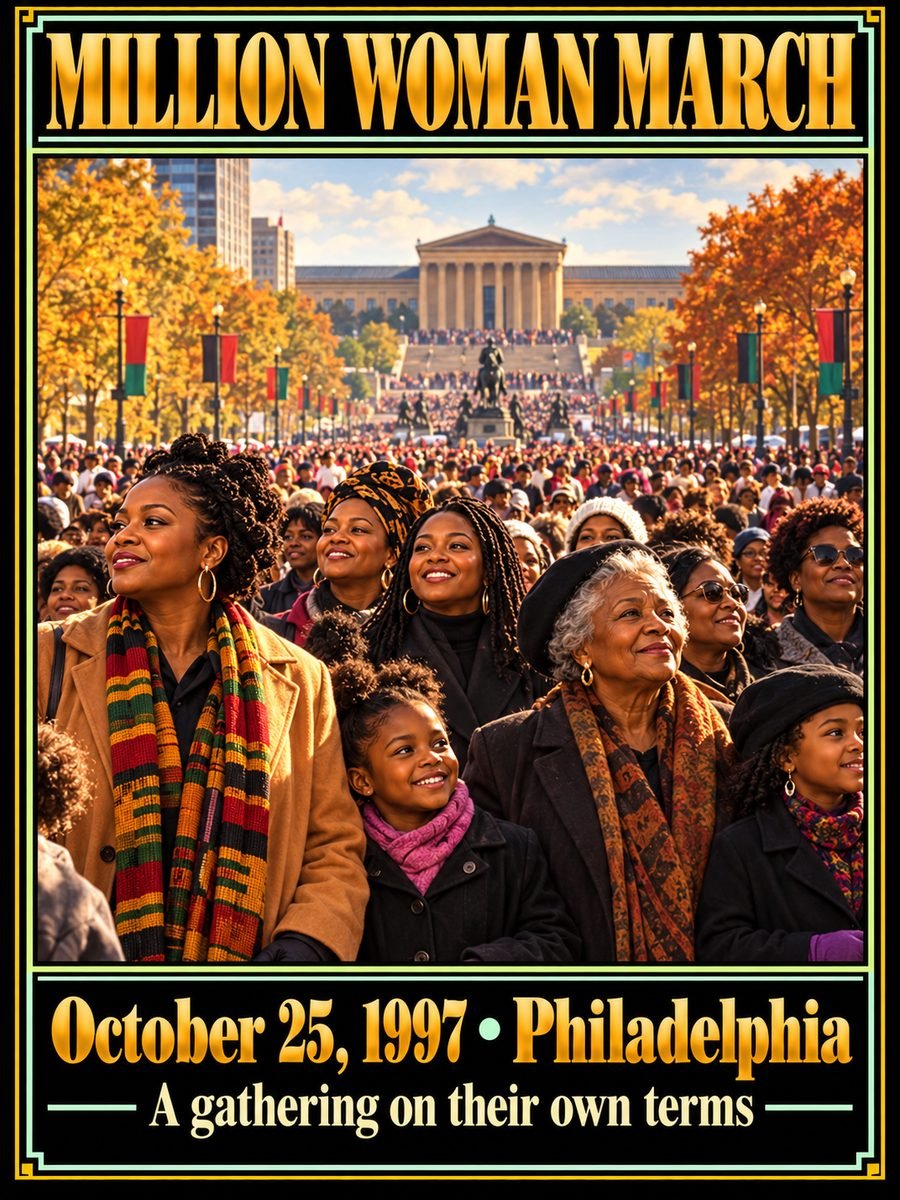
On October 25, 1997, a mass gathering of Black women convened in Philadelphia around family, community, healing, political accountability, and self-determination. Organizers Phile Chionesu and Asia Coney built the march through local organizers, flyers, and the internet rather than through established national organizations such as the NAACP.
