
Those We Lost
Those We Lost — May 10
May
Honoring those we lost on May 10 — remembered for what they gave, and for what they left behind.
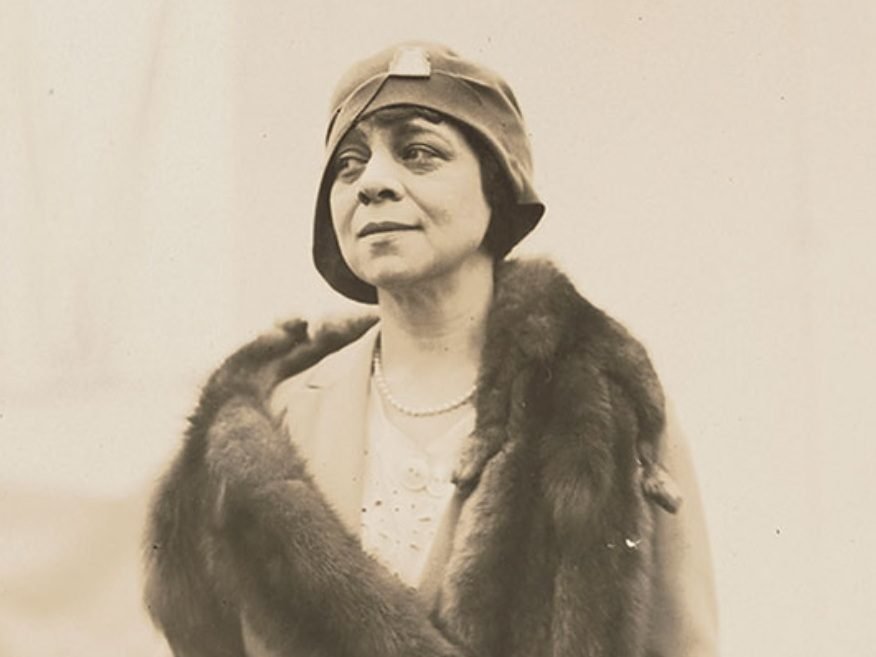
Belle da Costa Greene
Born November 26, 1879 — Died May 10, 1950
Field: Library History / Art History / Manuscripts / Racial Passing
Belle da Costa Greene was a librarian, bibliographer, and the longtime force behind the Morgan Library. Born Belle Marion Greener, she came from a prominent Black family and later passed as white while working in elite cultural spaces.
Why it matters: Greene’s life opens up complicated questions about race, access, survival, passing, cultural power, and who gets remembered inside major institutions. Her brilliance helped shape one of the world’s great rare book and manuscript collections, but her story also shows the heavy cost of racism and secrecy.
Annie Turnbo Malone
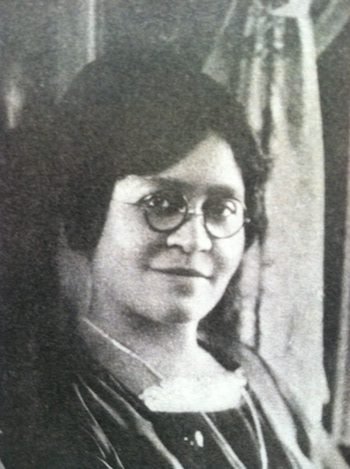
Born August 9, 1869 — Died May 10, 1957
Field: Beauty Industry / Black Entrepreneurship / Philanthropy / Women’s Economic Power
Annie Turnbo Malone was a chemist, entrepreneur, philanthropist, and pioneer in the Black hair care and beauty industry. She created hair care products for Black women, developed the Poro system, and built Poro College in St. Louis as both a business and training institution.
Why it matters: Malone helped create a business model that gave Black women training, employment, dignity, and a path toward financial independence. Her work was bigger than beauty. It was business, education, community-building, and Black women’s empowerment.
Charles Kenyatta
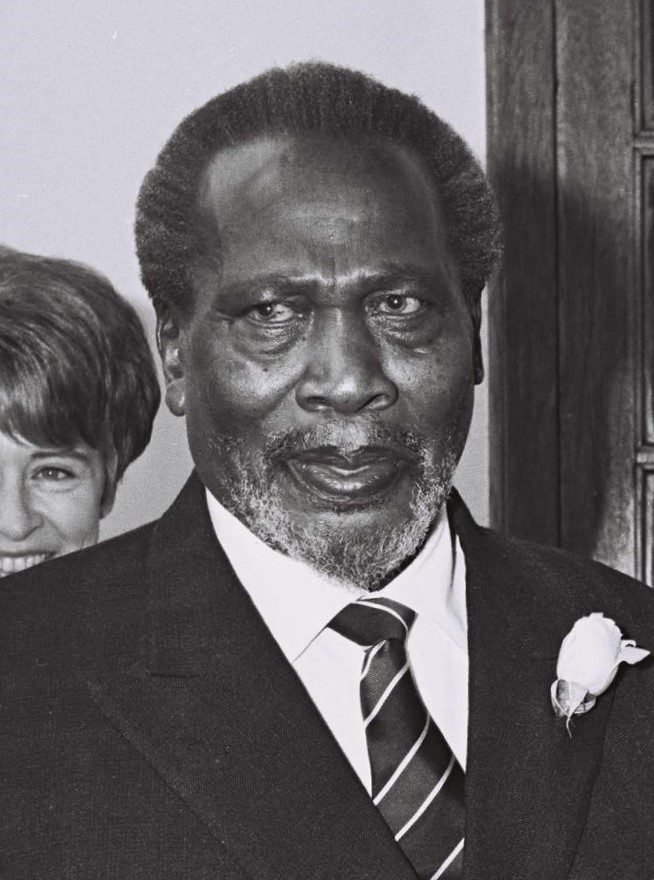
Born February 20, 1921 — Died May 10, 2005
Field: Harlem Activism / Black Nationalism / Community Organizing / Malcolm X Era
Charles Kenyatta, also known as Charles 37X and Charles Morris, was a Harlem activist, organizer, and Black nationalist figure connected to Malcolm X and Harlem’s street-level organizing tradition.
Why it matters: Kenyatta helps round out the May 10 deaths list with a movement-organizing lane. His life reminds us that Black movements were not built only by the most famous names. They were also shaped by organizers, speakers, protectors, and community figures working close to the people.
