
Those We Lost
Those We Lost — May 18
May
Honoring those we lost on May 18 — remembered for what they gave, and for what they left behind.
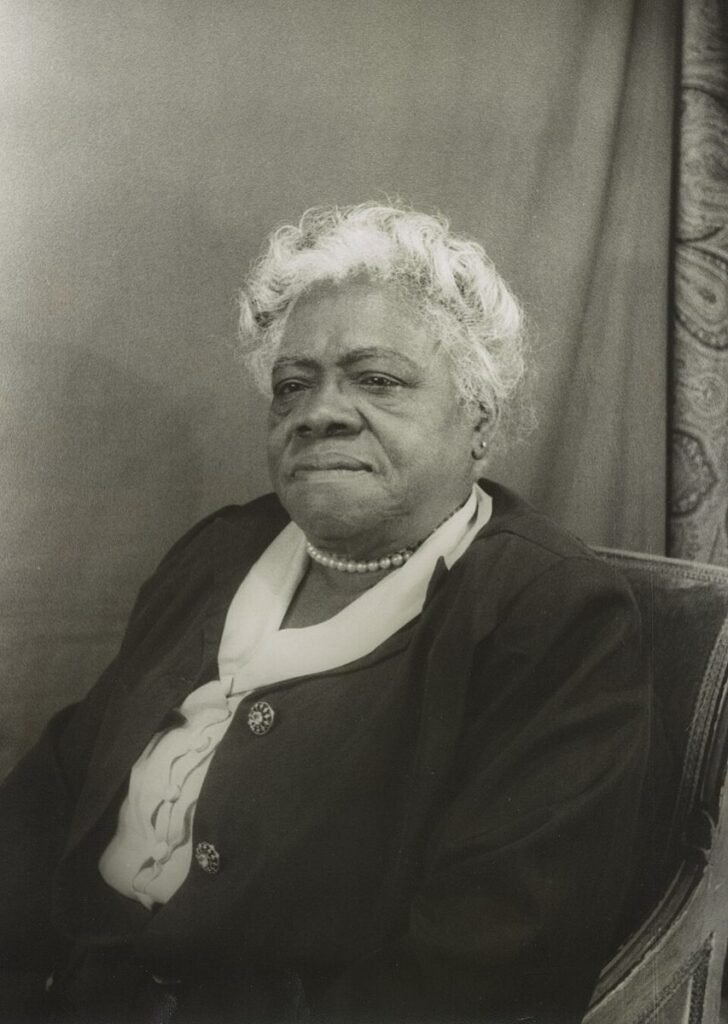
Mary McLeod Bethune
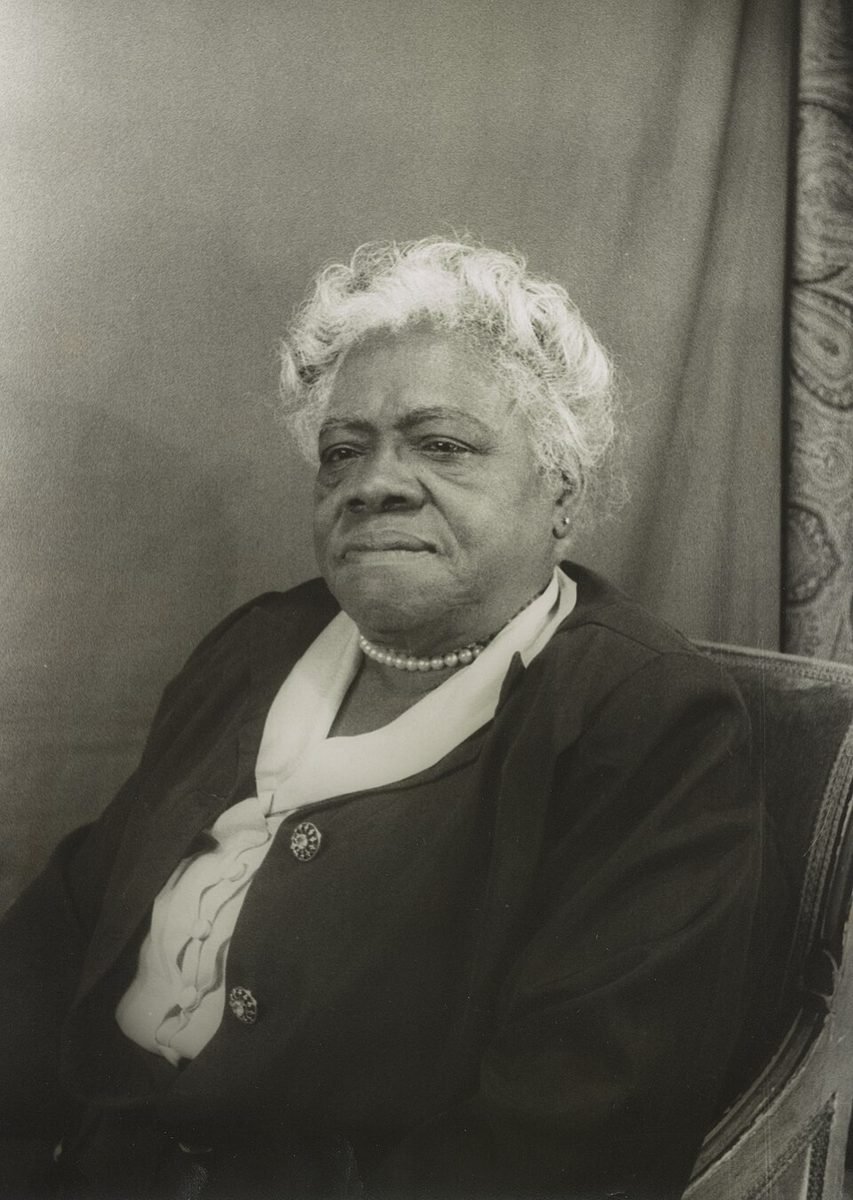
Born July 10, 1875 — Died May 18, 1955
Field: Education / Civil Rights / Black Women’s Leadership / Federal Service
Mary McLeod Bethune was an educator, institution builder, civil rights leader, founder of what became Bethune-Cookman University, and founder of the National Council of Negro Women.
Why it matters: Bethune is one of the most important Black women leaders in American history. Her work connects education, women’s organizing, federal policy, youth development, and Black institutional power.
Ernie Davis
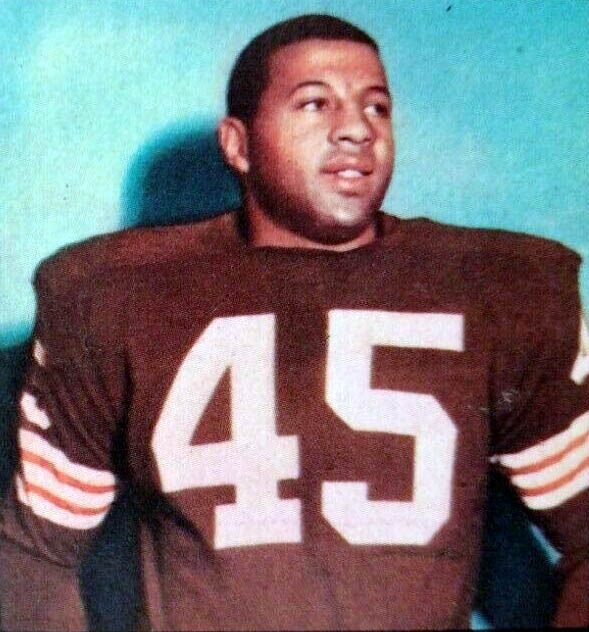
Born December 14, 1939 — Died May 18, 1963
Field: Football / Heisman Trophy / Black Athletic Firsts
Ernie Davis was the first Black player to win the Heisman Trophy. He was selected first overall in the 1962 NFL Draft by Washington, then immediately traded to the Cleveland Browns, but leukemia prevented him from ever playing in a regular-season NFL game.
Why it matters: Davis’s story is triumph and loss at the same time. He broke a major barrier in college football and was positioned for professional greatness, but his life was cut short before the NFL could see what he would become.
Jim Brown
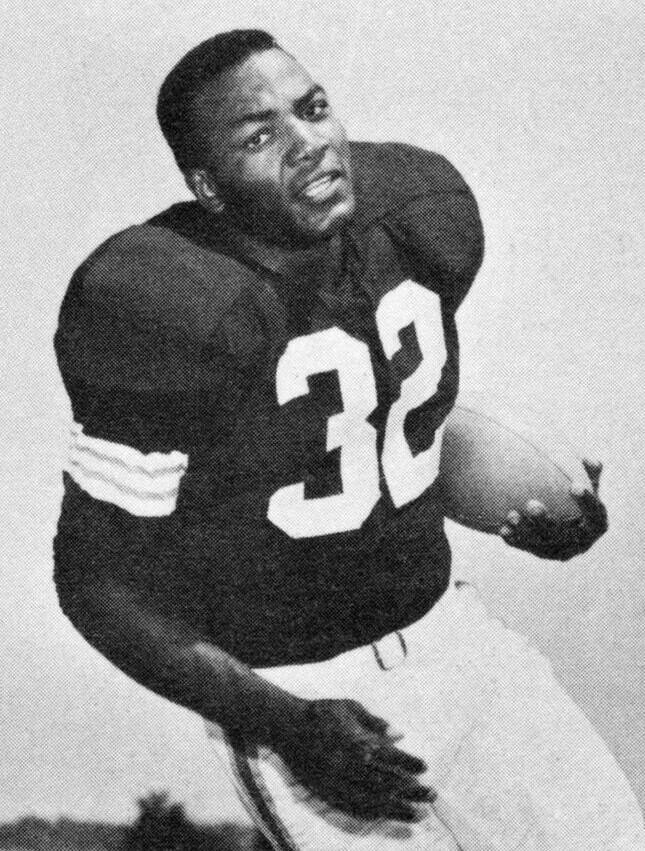
Born February 17, 1936 — Died May 18, 2023
Field: Football / Civil Rights / Acting / Black Athlete Activism
Jim Brown was a Pro Football Hall of Fame running back, actor, and civil rights advocate. He became one of the most dominant players in NFL history and later used his platform in public life, activism, and community work.
Why it matters: Jim Brown belongs alongside Ernie Davis on May 18 because both figures connect football to larger Black history. Brown represents Black athletic dominance, celebrity, activism, and the complicated public role of Black male athletes in the civil rights era and beyond.
