
Those We Lost
Those We Lost — May 31
May
Honoring those we lost on May 31 — remembered for what they gave, and for what they left behind.
John Jones
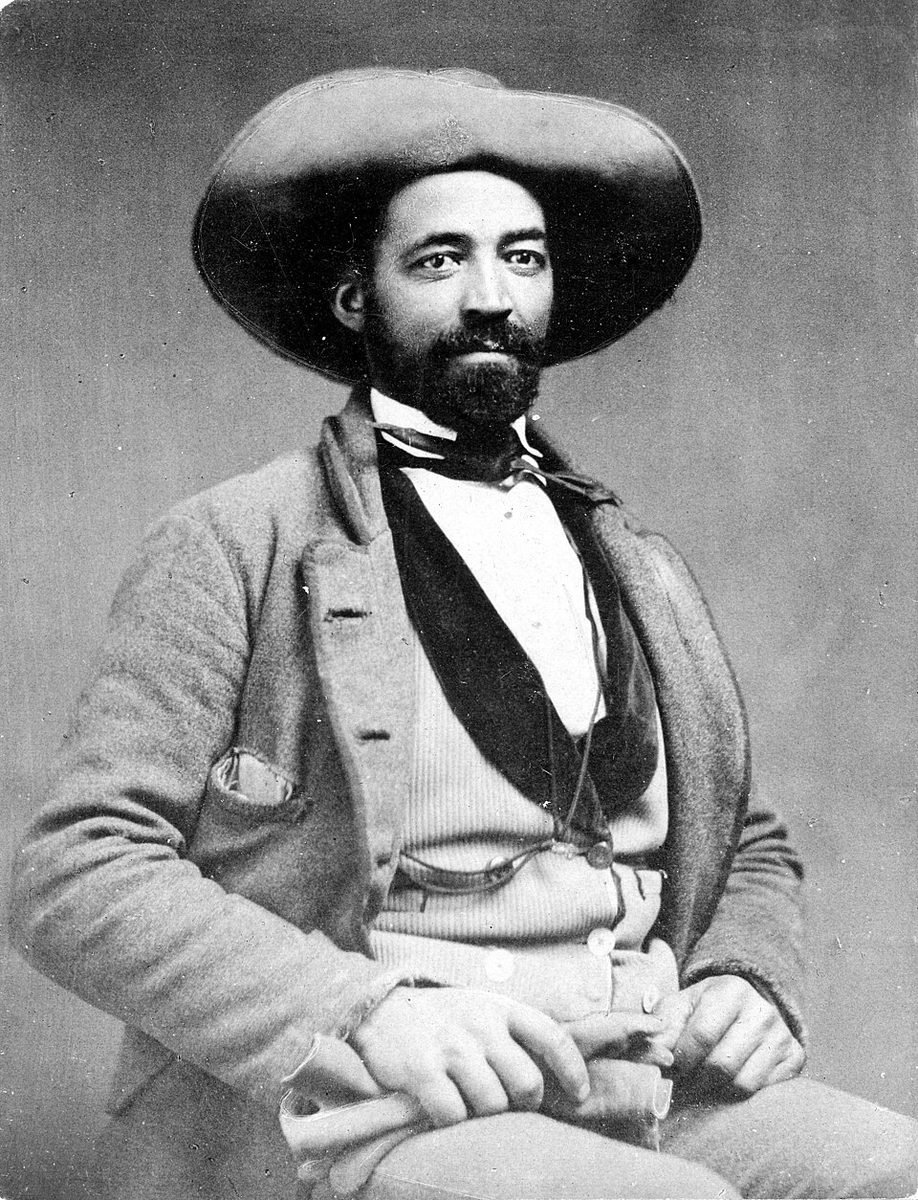
Born November 3, 1817 — Died May 31, 1879
Field: Abolition / Underground Railroad / Civil Rights / Chicago Black History
John Jones was an abolitionist, businessman, civil rights activist, and one of Chicago’s most important 19th-century Black leaders.
Why it matters: Jones gives May 31 a strong abolition and civic-leadership entry. His life connects the Underground Railroad, Black settlement in Chicago, anti-slavery activism, and early civil rights organizing.
James Thomas Rapier
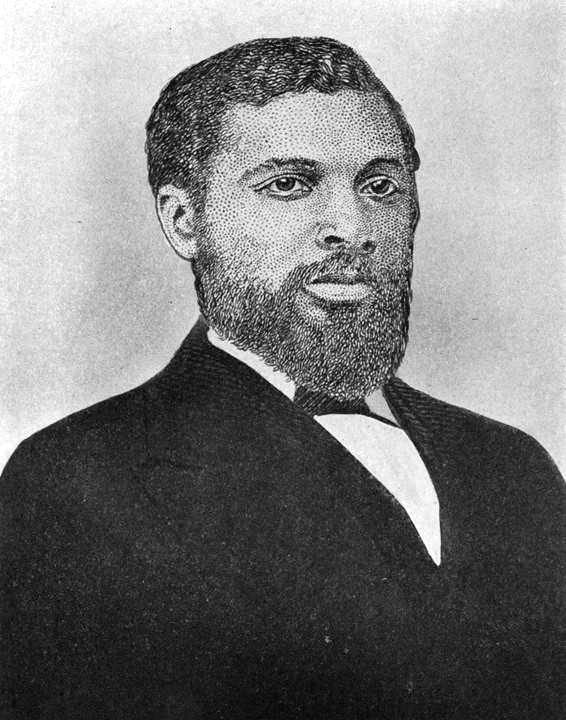
Born November 13, 1837 — Died May 31, 1883
Field: Reconstruction Politics / Congress / Alabama / Black Political Leadership
James T. Rapier was a Reconstruction-era politician and U.S. congressman from Alabama.
Why it matters: Rapier’s life belongs in the archive because Reconstruction created a brief but powerful opening for Black political leadership — and men like Rapier used that opening to fight for citizenship, education, labor rights, and public power.
Billy Strayhorn
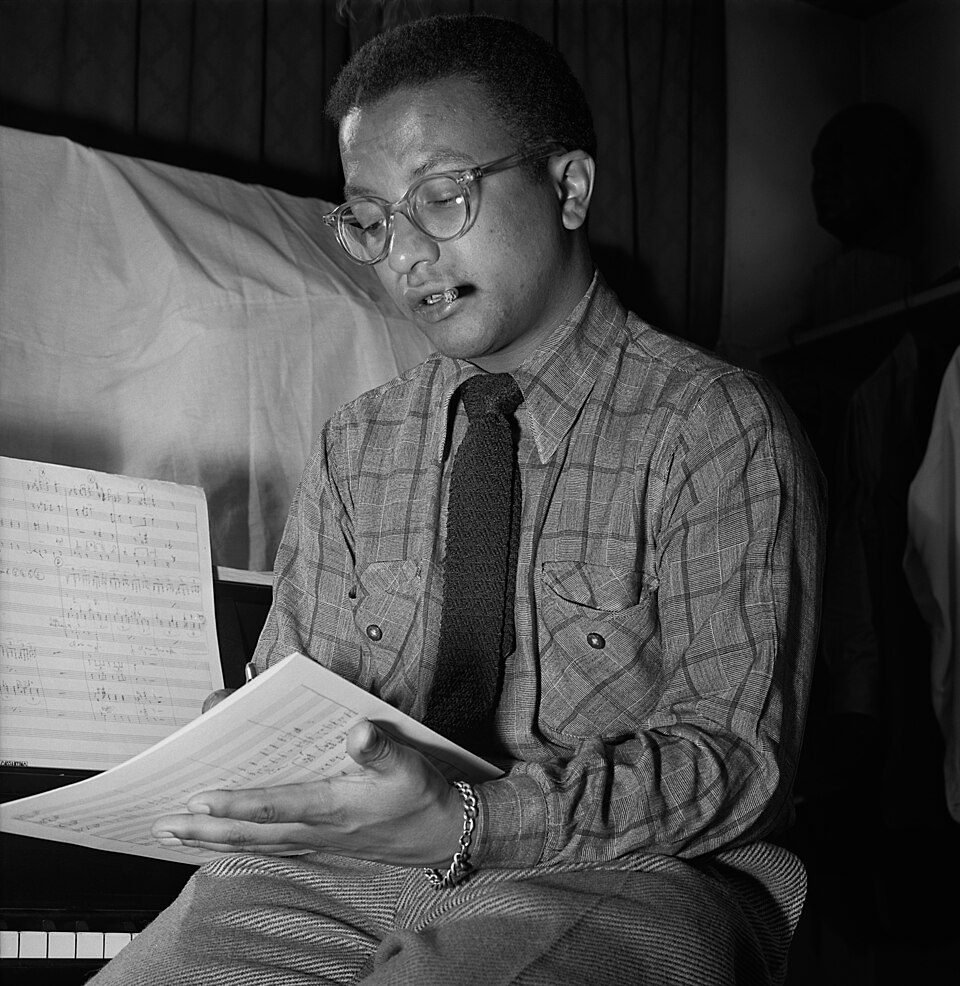
Born November 29, 1915 — Died May 31, 1967
Field: Jazz / Composition / Duke Ellington Orchestra / LGBTQ+ Black History
Billy Strayhorn was a composer, arranger, pianist, and longtime collaborator with Duke Ellington.
Why it matters: Strayhorn was one of the quiet architects of American music. His life also opens a Black LGBTQ+ history lane inside jazz, where genius was often present but not always publicly credited or safely acknowledged.
Johnnie Taylor
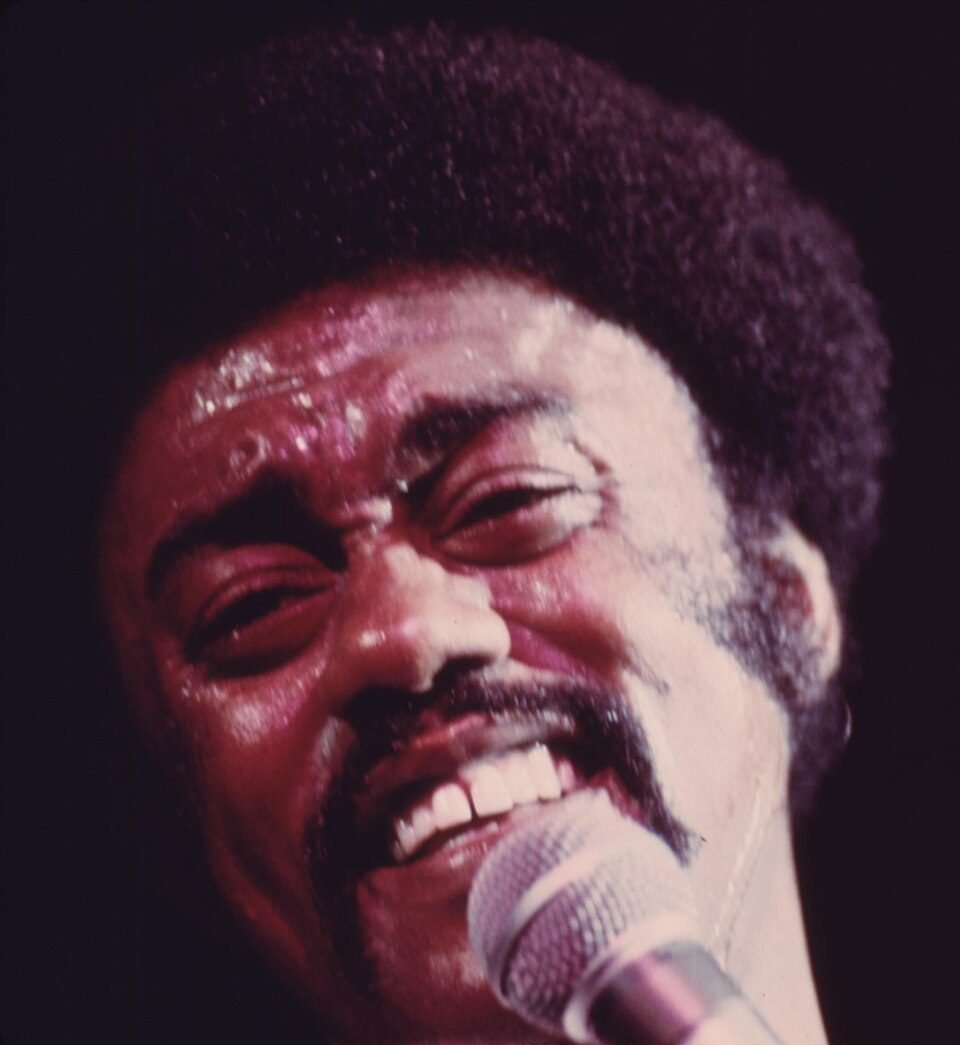
Born May 5, 1934 — Died May 31, 2000
Field: Soul / R&B / Blues / Gospel / Disco
Johnnie Taylor was a singer known as “The Philosopher of Soul.” His career crossed gospel, soul, blues, R&B, and disco.
Why it matters: Taylor’s voice carried Black music across multiple eras, from church-rooted soul to grown-folks blues and dance-floor hits.
Niara Sudarkasa
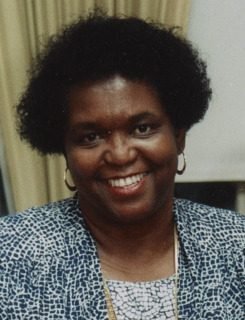
Born August 14, 1938 — Died May 31, 2019
Field: Anthropology / Education / HBCU Leadership / Black Women Scholars
Niara Sudarkasa was an anthropologist, scholar, and university leader who became the first woman president of Lincoln University in Pennsylvania.
Why it matters: Sudarkasa adds a Black women in scholarship and HBCU leadership lane to May 31. Her work connects African diasporic studies, anthropology, higher education, and institutional leadership.
