Those We Lost
Those We Lost — October 17
Oct
Honoring those we lost on October 17 — remembered for what they gave, and for what they left behind.
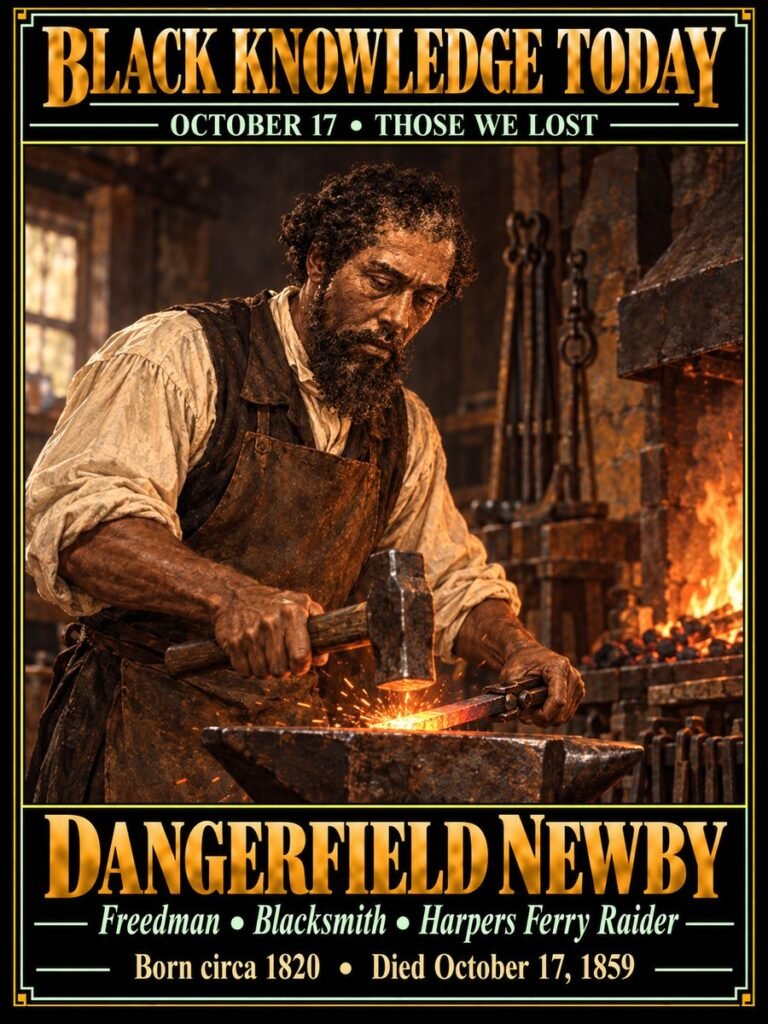
Dangerfield Newby
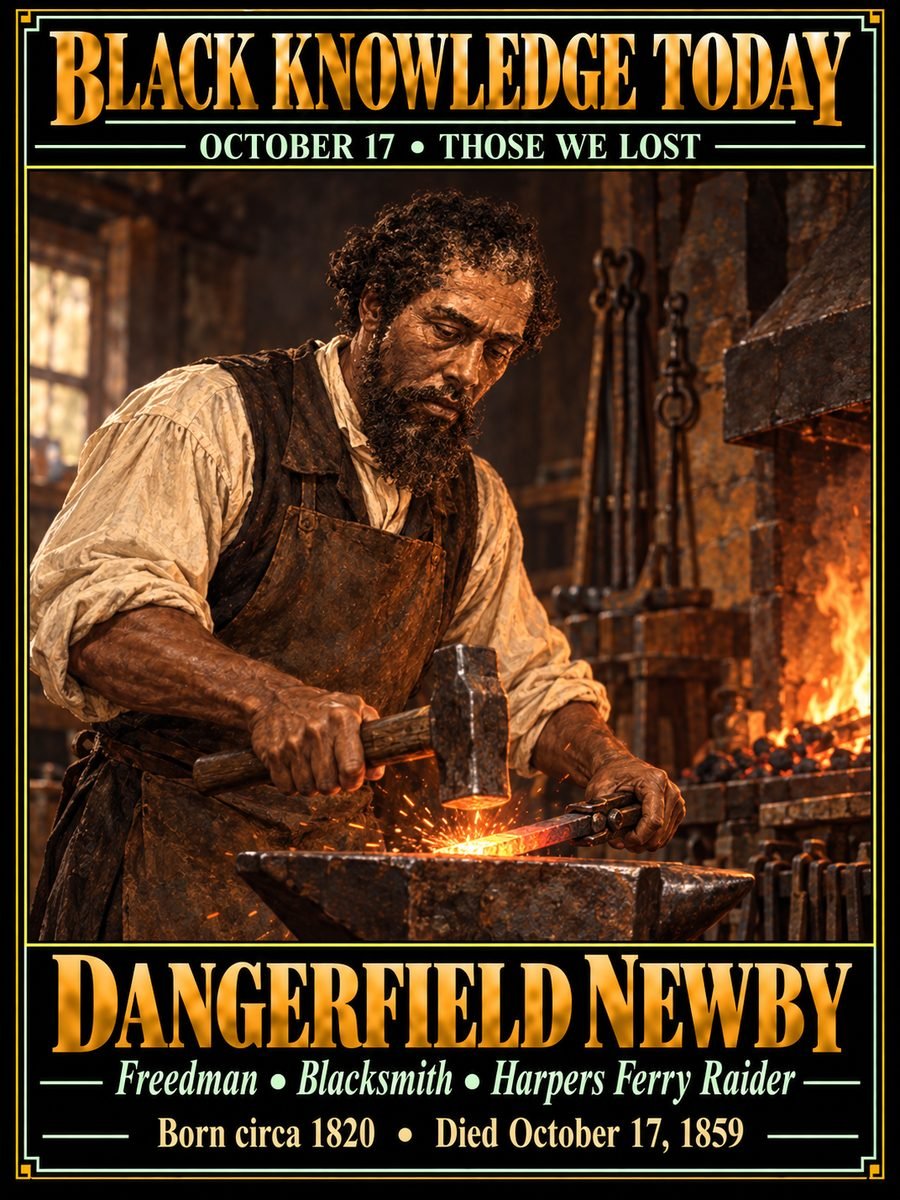
Born c. 1820 — died October 17, 1859
Freedman, blacksmith, and member of John Brown’s raid on Harpers Ferry
Newby was born to an enslaved mother and gained his freedom, but his wife, Harriet, and their children stayed enslaved in Virginia. He joined John Brown’s raid hoping to free them. Letters from Harriet urging him to come for her were found after his death. He was the first of Brown’s raiders killed at Harpers Ferry and one of five Black men in the raiding party. In 1899 his remains were reburied at John Brown’s Farm in North Elba, New York.
Alberta Hunter
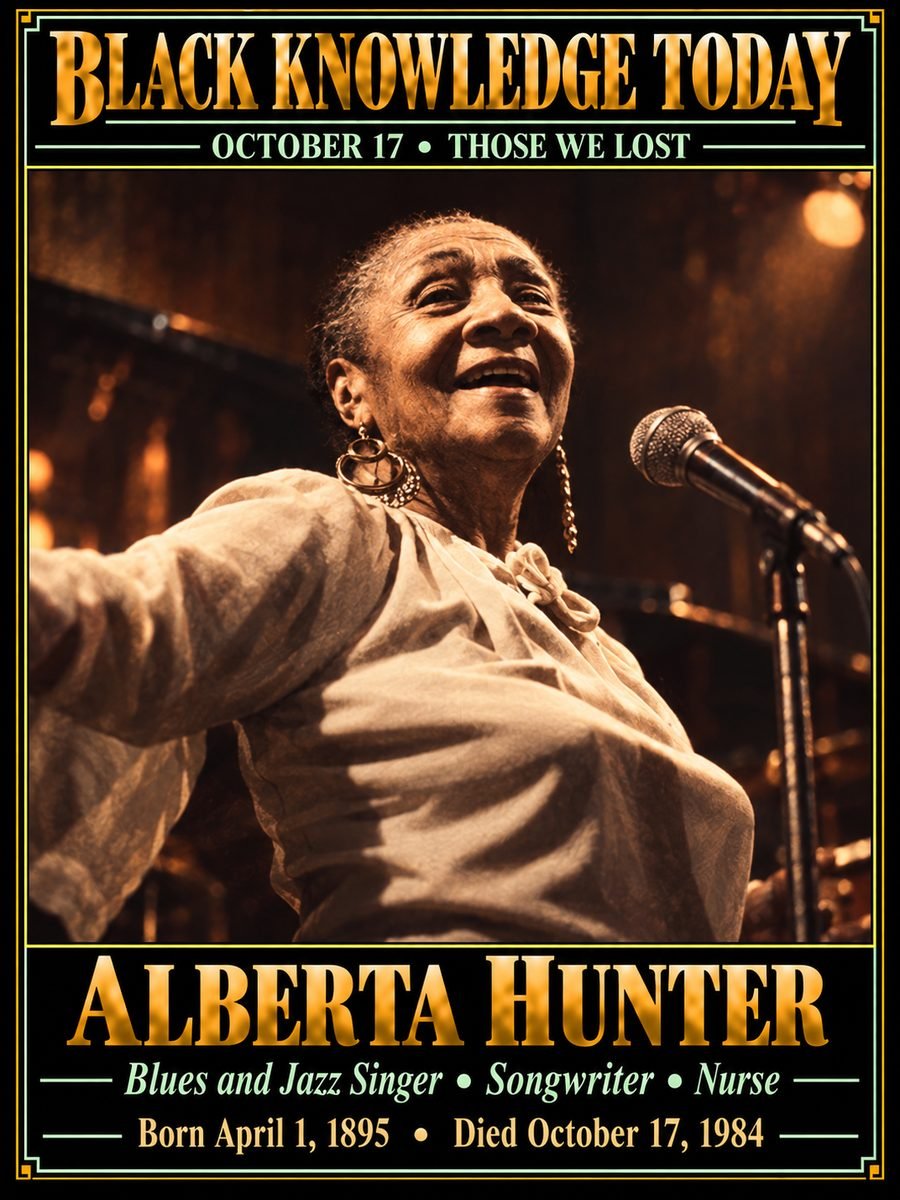
Born April 1, 1895 — died October 17, 1984
Blues and jazz singer, songwriter, and nurse
Hunter recorded and toured internationally during the classic blues era, left music for a nursing career, and returned in her eighties to a celebrated residency and new recordings. Her comeback brought a commanding Black woman performer from the 1920s into direct conversation with late twentieth-century audiences and preserved a living blues tradition.
Ruby Dandridge
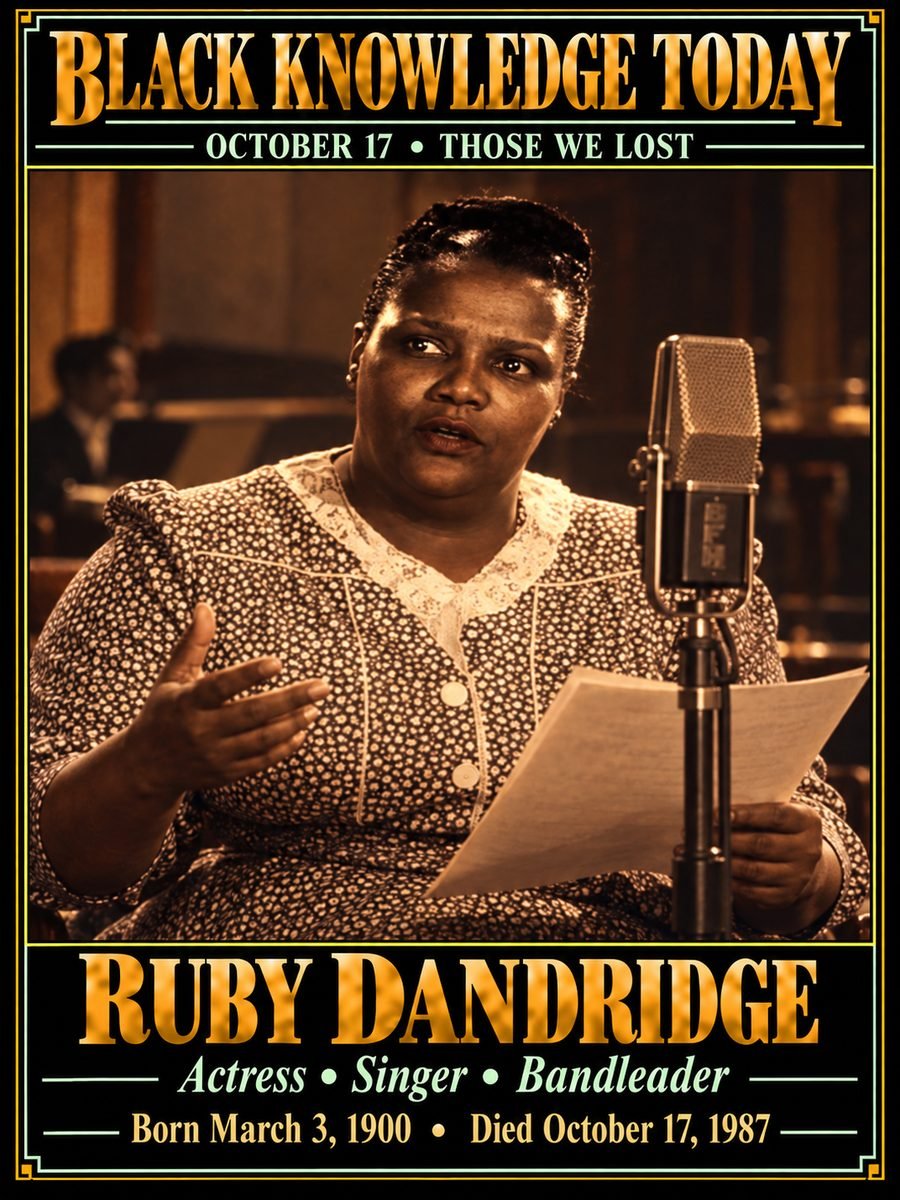
Born March 3, 1900 — died October 17, 1987
Actress, singer, and bandleader
Born in Wichita, Kansas, Dandridge worked in radio, film, and television. She appeared on Amos ‘n’ Andy and Beulah, and in films including Cabin in the Sky (1943). She also led her own band and was the mother of actresses Dorothy and Vivian Dandridge. Her decades of work in broadcasting and film were part of the early, often constrained presence of Black performers in American mass entertainment.
Levi Stubbs
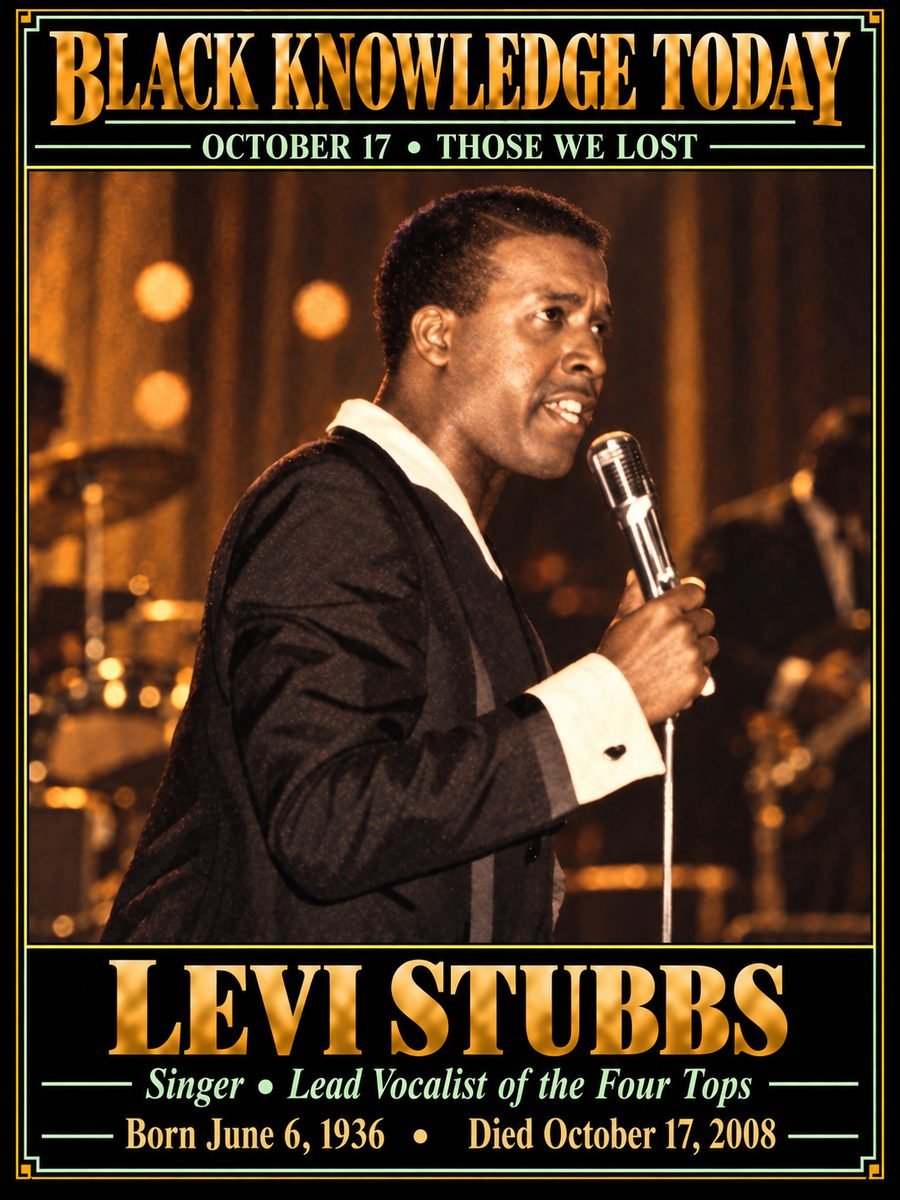
Born June 6, 1936 — died October 17, 2008
Singer, lead vocalist of the Four Tops
Stubbs sang lead for the Four Tops, a Detroit group that formed in 1953 and kept the same lineup for four decades. Their Motown hits included ‘Baby I Need Your Loving,’ ‘I Can’t Help Myself (Sugar Pie, Honey Bunch),’ ‘Reach Out (I’ll Be There),’ and ‘Bernadette.’ He also voiced the plant Audrey II in the film Little Shop of Horrors. His baritone lead was a defining sound of Motown. He stopped performing in 2000 after a series of strokes.
Elijah Cummings
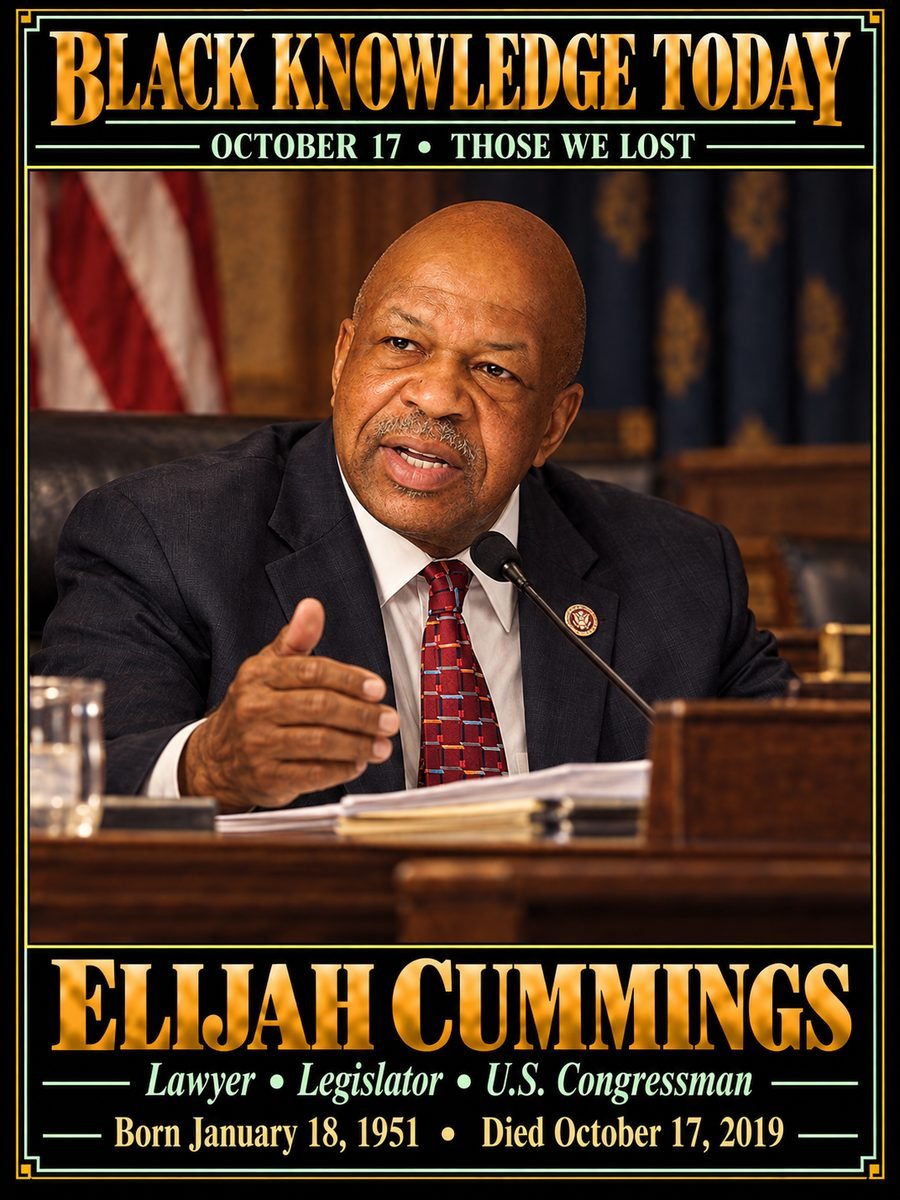
Born January 18, 1951 — died October 17, 2019
Lawyer, Maryland legislator, U.S. representative, and committee chair
Cummings represented Baltimore in Congress for twenty-three years after serving in the Maryland legislature and became chair of the House Committee on Oversight and Reform. He was known for defending voting rights, government accountability, civil rights, and the dignity of people whose concerns were often overlooked.
